Appeals court rejects Sam Bankman-Fried’s bid for new trial in FTX fraud case

Sam Bankman-Fried's attempts to overturn his 25-year sentence for fraud in the FTX case have been thwarted by an appeals court. The court rejected his plea for a new trial, which he argued was necessary due to claims of unfair treatment during the original proceedings. Bankman-Fried maintained that the trial was marred by errors that deprived him of a fair chance to defend himself. This latest ruling underscores the legal challenges he continues to face in the wake of FTX's collapse, which has had significant implications for the entire cryptocurrency sector.
The context of this case dates back to the dramatic downfall of FTX, once one of the largest cryptocurrency exchanges in the world. Bankman-Fried, who was the CEO, was accused of orchestrating a multi-billion-dollar fraud scheme that led to the exchange's bankruptcy in 2022. His trial revealed a host of questionable practices, including misappropriating customer funds. The fallout from FTX's collapse not only affected investors but also sent shockwaves through the broader crypto market, raising questions about regulatory oversight and the future of digital asset exchanges.
This ruling carries considerable weight for the cryptocurrency market, as it highlights the judicial system's stance on financial misconduct within the industry. The rejection of Bankman-Fried's appeal could set a precedent for how similar cases are handled in the future, potentially instilling a sense of accountability among crypto executives. Investors and market participants are closely watching how regulatory frameworks evolve in response to high-profile cases like this, as they seek to navigate an increasingly complex landscape.
The reaction from industry experts has been mixed. Some express relief that the legal system is taking a firm stand against fraud, while others worry about the chilling effect this could have on innovation within the crypto space. Many believe that strong regulatory measures are necessary to protect consumers and restore confidence, but there are concerns that overly harsh penalties might deter entrepreneurs from entering the market. This sentiment reflects a broader anxiety about balancing regulation with the need for growth and innovation in the rapidly evolving cryptocurrency sector.
Looking ahead, Bankman-Fried's legal options appear limited after this ruling, but the implications of his case will likely resonate far beyond his individual situation. Legal experts anticipate that more scrutiny will be directed at other crypto firms, as regulators ramp up efforts to ensure compliance and protect investors. The FTX case may serve as a cautionary tale for those operating in the crypto industry, prompting a reevaluation of practices and governance to prevent similar crises in the future. As the industry grapples with these issues, the focus will remain on how it can build a more robust framework for accountability and consumer protection.

CoinMagnetic Team
Crypto investors since 2017. We trade with our own money and test every exchange ourselves.
Updated: June 2026
From our insights:
Related news

ECB and EU central banks propose liquidity thresholds for stablecoins
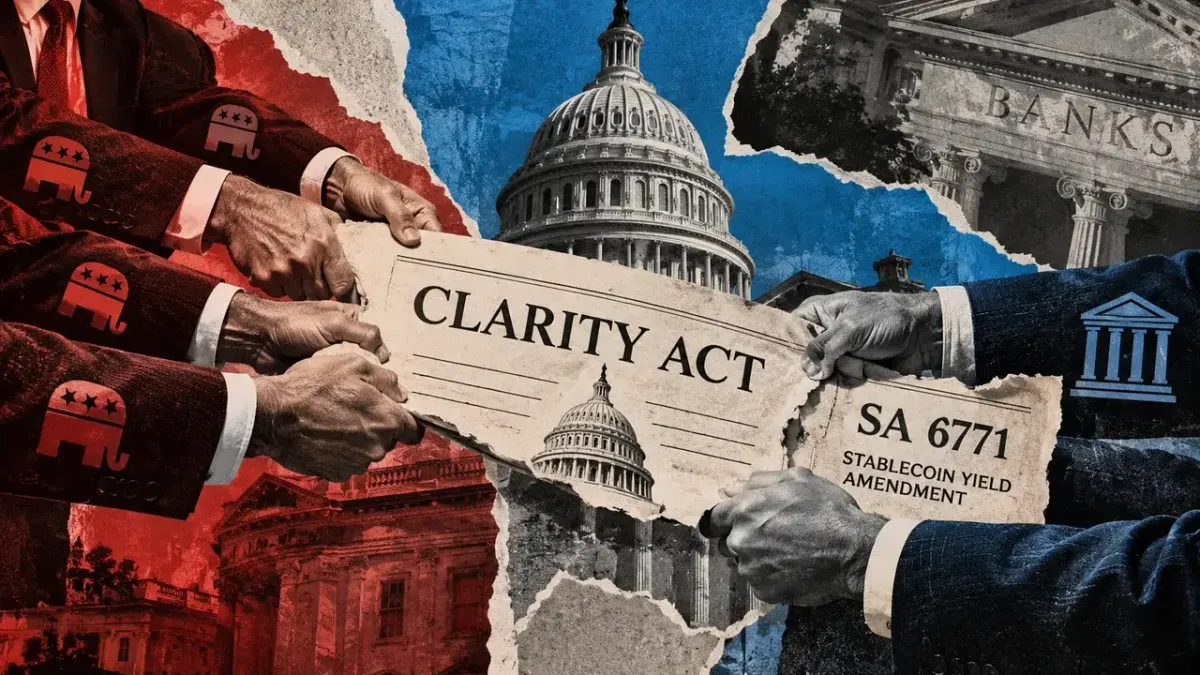
Four GOP senators backing CLARITY Act seek changes to stablecoin provisions

US investigates Binance for potential Iran-linked trading violations
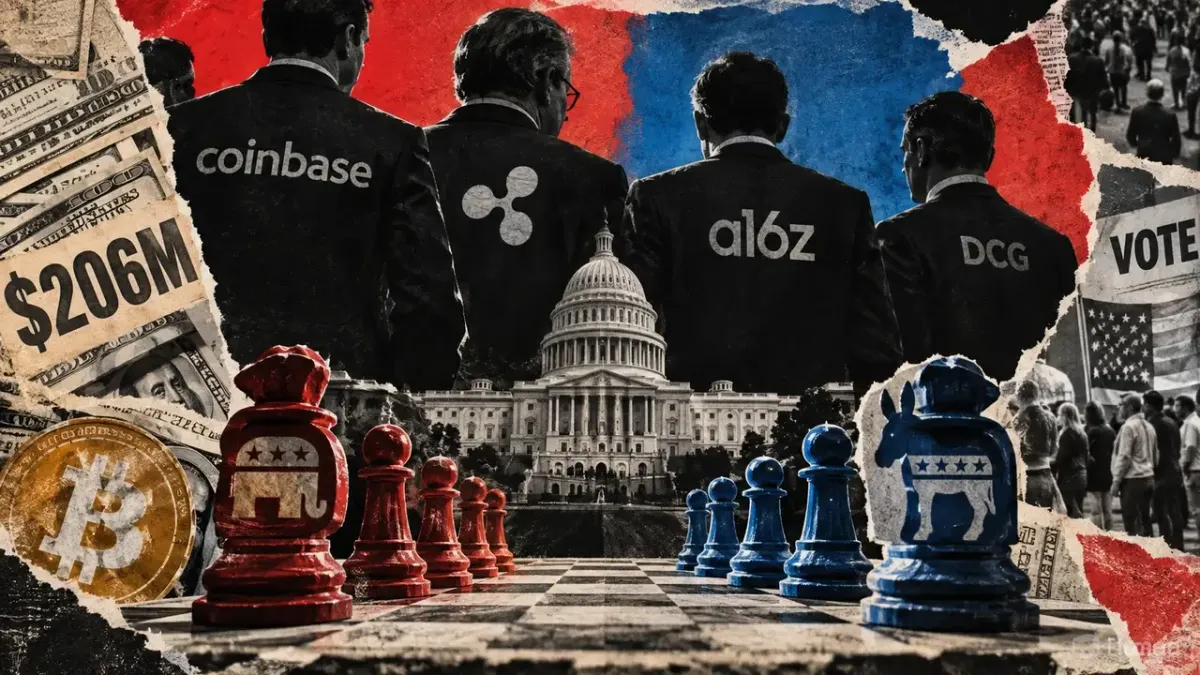
Crypto sector emerges as top donor with $206 million in midterms backing
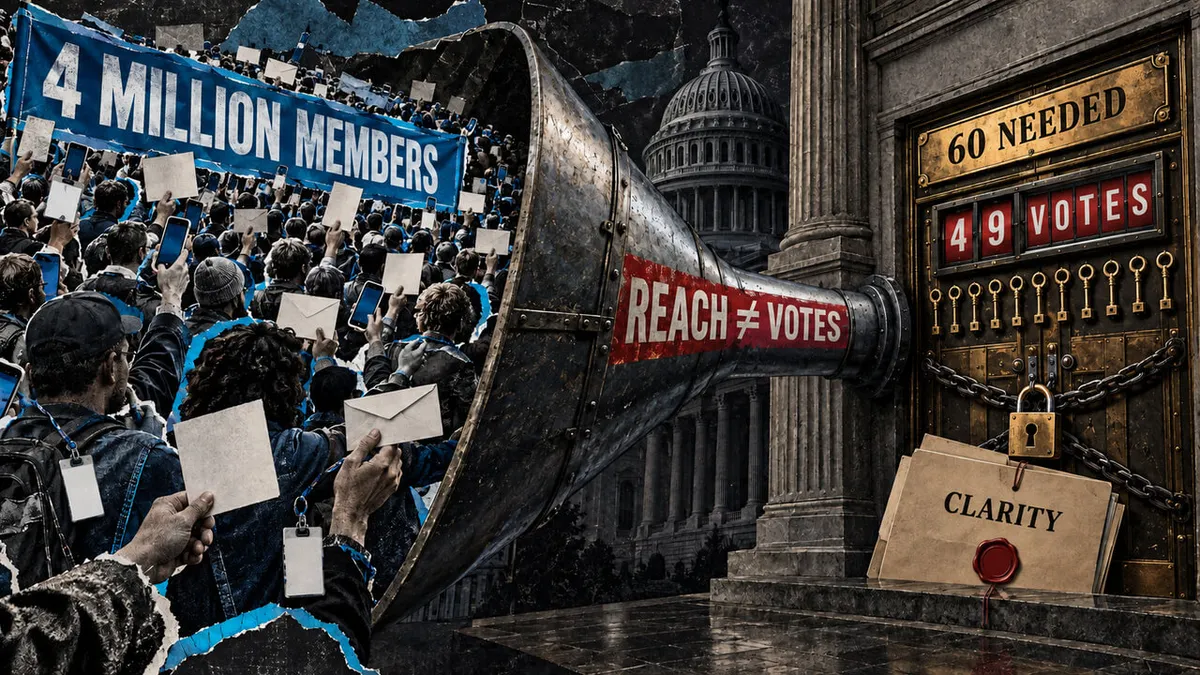
Stand With Crypto’s 4 million registered advocates couldn’t get the CLARITY Act through the Senate