Anchorage is stepping back from Robinhood and Kraken-backed stablecoin group

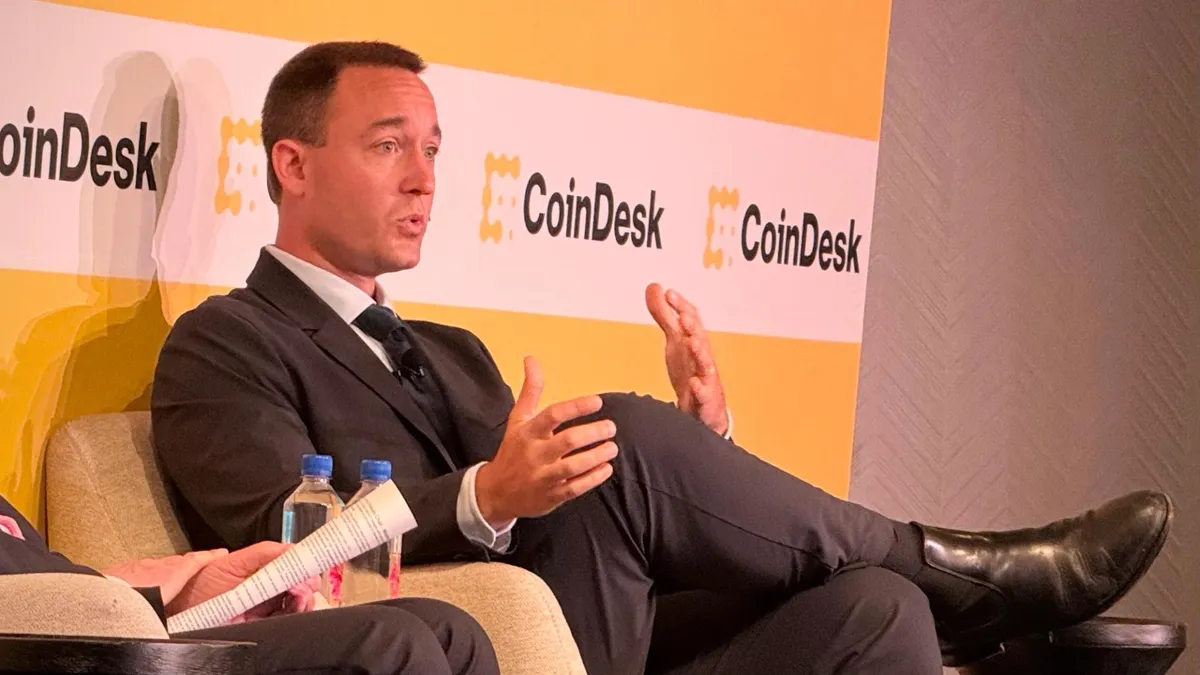
Anchorage Digital has recently announced a strategic shift regarding its involvement with a stablecoin consortium backed by Robinhood and Kraken. Co-founder and CEO Nathan McCauley stated that the firm will be adopting a stance of “increased neutrality” on stablecoins. This decision indicates a move away from direct participation in the group, which has been working to establish a framework and standards for stablecoins in the cryptocurrency marketplace. McCauley's remarks suggest a reevaluation of Anchorage's role in the rapidly evolving stablecoin landscape.
The context of this move can be traced back to the growing scrutiny and regulatory pressure surrounding stablecoins. As various regulatory bodies across the globe begin to impose stricter guidelines on stablecoin issuance and usage, companies involved in this sector are reassessing their positions. Anchorage Digital, known for its institutional-grade services, has been navigating these challenges while trying to maintain its reputation as a trusted player in the crypto space. By stepping back from the consortium, Anchorage is likely seeking to align itself with a more neutral stance that allows for flexibility as regulations unfold.
This shift in Anchorage's strategy is significant for the market, particularly in light of the increasing importance of stablecoins in the broader cryptocurrency ecosystem. Stablecoins have emerged as critical tools for trading, liquidity, and hedging against volatility. Anchorage's decision could signal a more cautious approach among service providers as they weigh the potential risks and rewards associated with stablecoin involvement. Furthermore, it may highlight the necessity for clearer regulatory frameworks that can support innovation while ensuring consumer protection.
Industry reactions have varied, with some experts praising Anchorage’s decision to maintain a neutral position amid a climate of uncertainty. They argue that neutrality could ultimately foster a more balanced approach to stablecoin development, allowing for innovation without the constraints of a specific consortium's agenda. Others, however, view this move as a withdrawal from an influential space, questioning whether Anchorage will remain relevant as the stablecoin market continues to expand.
Looking ahead, it will be interesting to see how Anchorage Digital navigates its neutral stance and what implications it may have for its partnerships and services. As the regulatory landscape evolves, Anchorage may find opportunities to redefine its role in the stablecoin sector, potentially becoming a key player in advocating for clarity and standards that benefit all stakeholders involved. The firm’s next steps could greatly influence its trajectory in the competitive crypto market, as well as the future of stablecoins themselves.

CoinMagnetic Team
Crypto investors since 2017. We trade with our own money and test every exchange ourselves.
Updated: May 2026
From our insights:
Related news

Canada's major banks initiate tokenized deposit project for digital assets

Solo GP Jed Breed raises $15 million for his second early-stage crypto fund

Crypto industry may increase PAC spending after CLARITY vote failure
SEC's crypto counsel outlines strategy for custody of digital assets
Reap aims to enhance cross-border FX with non-USD stablecoins including peso