AI-assisted Zcash flaw exposes the supply integrity gap an emergency fork could not fully close

A significant security vulnerability has come to light within Zcash, primarily stemming from its zero-knowledge proof circuit that underpins Orchard, the project's latest shielded pool. Discovered by security researcher Taylor Hornby during a dedicated protocol security review on May 29, this flaw raised alarms about the integrity of Zcash’s private transaction system. The issue was swiftly confirmed by ZODL engineers, leading to an urgent response from the development team. Although an emergency fork was executed to address the problem, concerns linger about whether this fix truly resolved the underlying integrity issues within Zcash's supply mechanism.
To understand the implications of this exploit, it's essential to recognize Zcash's role in the broader cryptocurrency landscape. Launched in 2016, Zcash introduced privacy features that allow users to conduct transactions without revealing their identities. The adoption of zero-knowledge proofs, specifically zk-SNARKs, has been a cornerstone of its technology, enabling secure and private transactions. However, the recent discovery has highlighted vulnerabilities in these very mechanisms, raising questions about the robustness of privacy-focused cryptocurrencies, particularly as they become more integrated into the financial ecosystem.
The ramifications of this flaw are significant for the market. Zcash has long been touted as a leader in privacy coins, but the discovery of a critical vulnerability threatens to undermine user trust and market confidence. Investors and users may reconsider their positions in Zcash, especially given the growing scrutiny surrounding the security of cryptocurrencies. Moreover, this incident could trigger a broader reevaluation of privacy protocols across multiple blockchain platforms, pushing developers to prioritize security enhancements in their systems.
Reactions from the industry have been varied, with some experts emphasizing the need for a more rigorous security framework in the development of privacy coins. Others have pointed out that while Zcash's response was swift, the incident underscores the necessity for ongoing vigilance and regular audits. Taylor Hornby himself has suggested that this situation serves as a reminder of the complexities and potential pitfalls associated with advanced cryptographic systems. The consensus seems to be that while the emergency fork was a necessary step, it may not be sufficient to fully restore confidence in Zcash's technology.
Looking ahead, the Zcash team will likely focus on further audits and potential updates to their security protocols. The community may also see discussions around implementing additional layers of transparency and security to bolster user trust. As the cryptocurrency market continues to evolve, incidents like these will serve as critical learning points for developers, regulators, and users alike, highlighting the delicate balance between innovation and security in the fast-paced world of digital currencies.

CoinMagnetic Team
Crypto investors since 2017. We trade with our own money and test every exchange ourselves.
Updated: June 2026
From our insights:
Related news
US investigates Binance for potential Iran-linked trading violations

Crypto sector emerges as top donor with $206 million in midterms backing
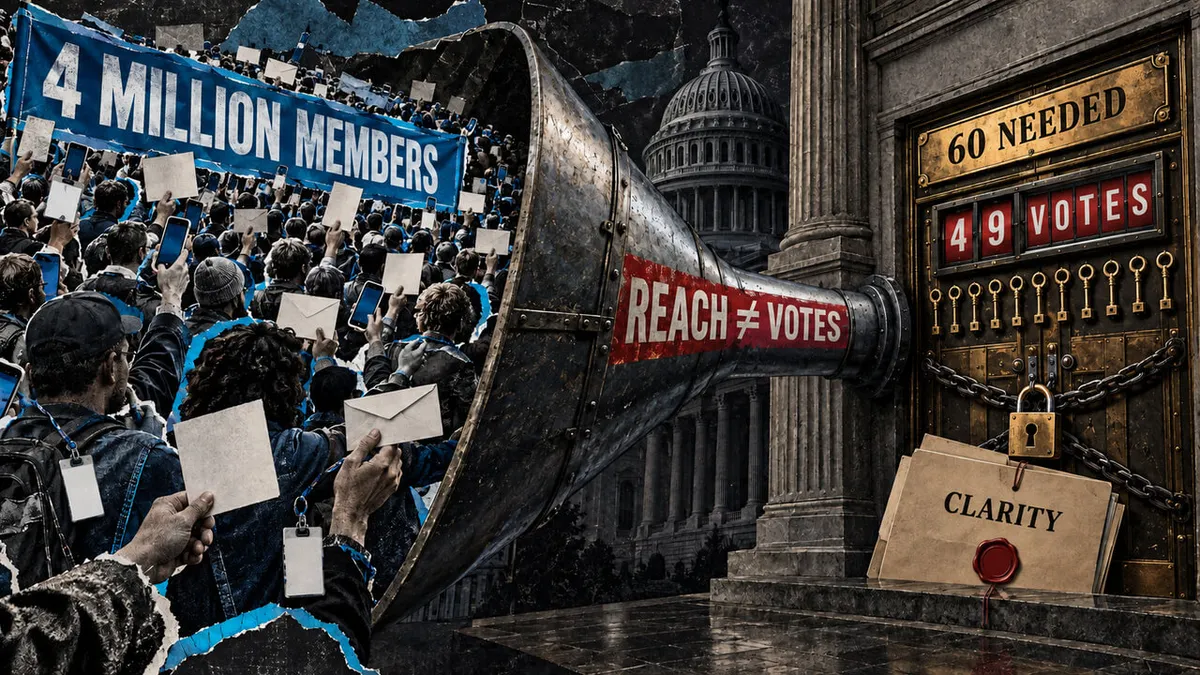
Stand With Crypto’s 4 million registered advocates couldn’t get the CLARITY Act through the Senate

Kakao Pay, KakaoBank to explore stablecoin opportunities with Fireblocks

US Attorney's investigation into Binance focuses on Iran sanctions compliance