A16z backs CFTC, says state-by-state rules on prediction markets create ‘barrier to impartial access’

Recently, venture capital firm Andreessen Horowitz, commonly referred to as A16z, voiced its support for the Commodity Futures Trading Commission (CFTC) in addressing the regulatory landscape surrounding prediction markets. The firm contends that the existing state-by-state regulations impose significant barriers to impartial access for participants in these markets. A16z argues that such restrictions not only hinder the overall liquidity of prediction markets but also restrict the ability of individuals across different states to engage in these potentially lucrative trading environments.
To understand the implications of A16z's stance, it is essential to consider the historical context of prediction markets and their regulation. These markets have gained traction as platforms where individuals can trade on the outcomes of events, ranging from political elections to sporting events. However, the regulatory framework governing these markets varies widely from state to state, often creating a patchwork of rules that can confuse investors and stifle innovation. The CFTC has been exploring ways to create a more uniform regulatory approach, which A16z believes is vital for fostering a thriving prediction market ecosystem.
The implications of A16z's support for the CFTC could be significant for the broader market. With the potential for increased liquidity and access, a more streamlined regulatory framework could attract more participants to prediction markets. This influx of traders would not only enhance market dynamics but could also lead to more accurate forecasts. As it stands, the fragmented nature of current regulations limits the potential of these markets, and a unified approach might pave the way for new investment opportunities and innovative products.
Industry experts have responded positively to A16z's comments, suggesting that a more standardized regulatory approach could lead to a renaissance for prediction markets. Many believe that the current restrictions are not only an impediment to growth but also a missed opportunity for regulatory bodies to harness the power of these markets for valuable insights into public sentiment and trends. If the CFTC can successfully navigate the complexities of state regulations, it could catalyze a new wave of investment and participation in prediction markets.
Looking ahead, it remains to be seen how the CFTC will respond to A16z's backing and whether it will take significant steps to unify the regulatory framework. If action is taken, we could witness a transformation in how prediction markets operate, with increased interest from both retail and institutional investors. The future of prediction markets may hinge on the ability of regulatory bodies to adapt and provide a conducive environment for innovation and growth.

CoinMagnetic Team
Crypto investors since 2017. We trade with our own money and test every exchange ourselves.
Updated: May 2026
From our insights:
Related news

Solstice CEO predicts less volatile future for crypto cycles amid liquidity growth

Pragma flags 6 price feeds as critical risk following $3.5M Starknet lending exploit

Ethereum's $120 billion in staking masks underlying supply dynamics

NEAR price surges 80% weekly as Intents volume approaches $30 billion
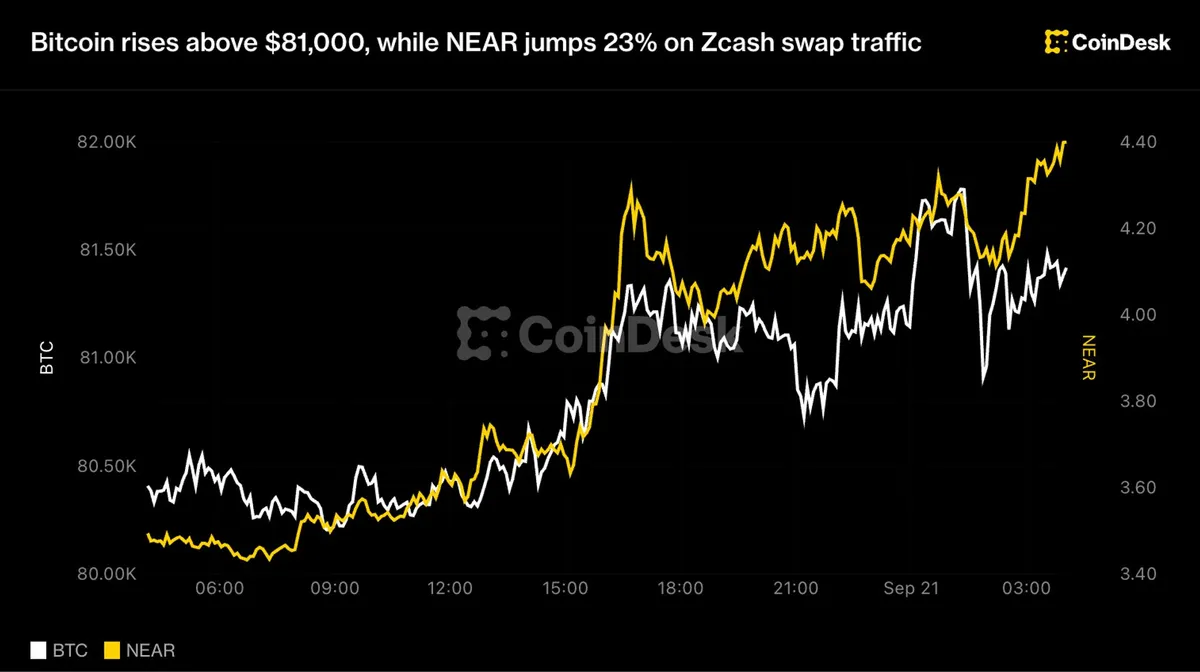
Bitcoin surpasses $81,000 as NEAR surges 23% amid Zcash swap activity