A little-known 1,250% rule could lock US banks out of Bitcoin
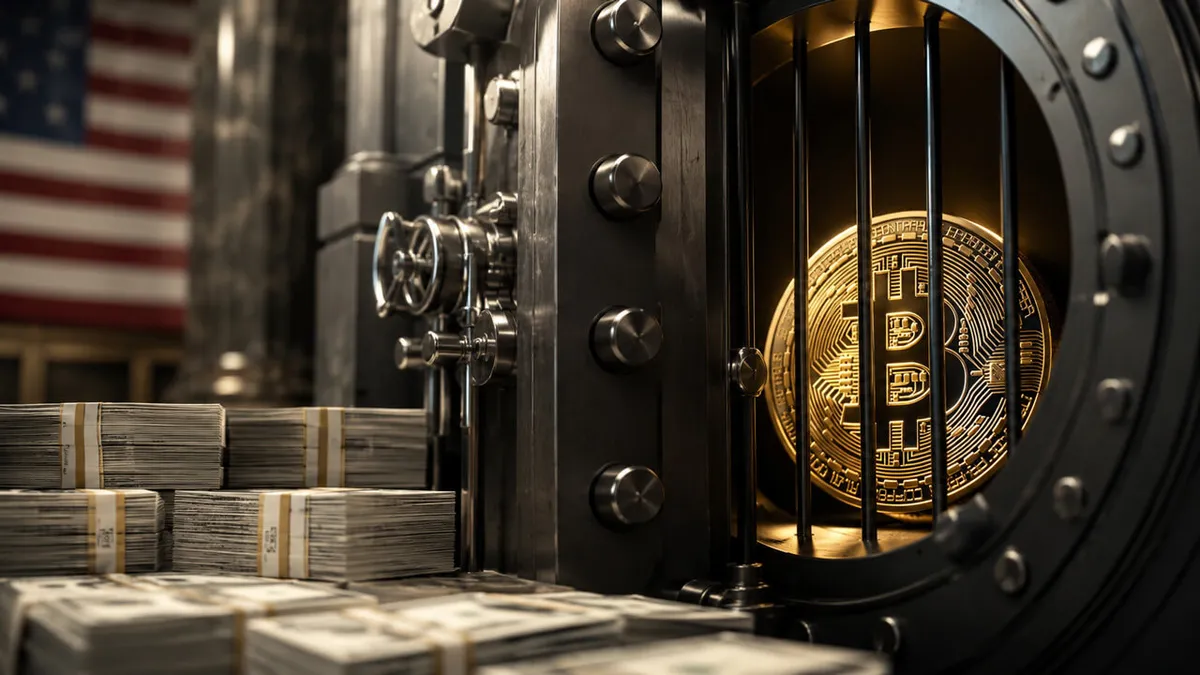
A recent letter from a group of Republican senators has brought attention to a little-known capital requirement known as the 1,250% rule, which could significantly hinder US banks' ability to engage with Bitcoin and other cryptocurrencies. In their correspondence to Federal Reserve Vice Chair for Supervision Michelle Bowman, they highlighted concerns that this regulation may create barriers for traditional financial institutions looking to participate in the burgeoning digital asset market. The senators emphasized that while Congress is considering measures to facilitate a greater role for banks in the crypto space, this specific rule could have the opposite effect, effectively locking them out of Bitcoin altogether.
To provide some context, the 1,250% rule refers to a capital charge that requires banks to hold an exorbitant amount of capital against their crypto holdings. This rule stems from regulatory frameworks designed to mitigate risks associated with volatile assets, but its application to cryptocurrencies like Bitcoin has raised eyebrows. As financial technology continues to evolve, this situation reflects the broader struggle between traditional banking regulations and the innovative nature of digital assets. The ongoing debate in Congress about the regulatory landscape for cryptocurrencies further complicates matters, as lawmakers try to strike a balance between consumer protection and fostering innovation.
This situation is significant for the market because it underscores the regulatory hurdles that still exist for financial institutions wishing to enter the cryptocurrency space. If banks are sidelined due to stringent capital requirements, it could limit the growth of institutional investment in Bitcoin and hinder the overall maturation of the crypto market. The potential exclusion of banks from Bitcoin participation could stifle liquidity and impede the establishment of a more robust financial ecosystem surrounding digital assets, which many believe is essential for the long-term viability of cryptocurrencies.
Industry reactions to the letter have been mixed, with some experts arguing that the 1,250% rule is overly punitive and fails to accurately reflect the risk profile of Bitcoin. Others contend that maintaining strict regulations is necessary to protect consumers and ensure the stability of the financial system. Some voices within the crypto community have called for a reevaluation of how regulatory agencies assess and categorize cryptocurrencies, advocating for a more nuanced approach that recognizes the unique characteristics of digital assets and their potential benefits.
Looking ahead, the outcome of this situation remains uncertain. If the senators' concerns gain traction, it could lead to a push for regulatory reform that might alleviate some of the burdens imposed by the 1,250% rule. However, any significant changes will likely take time and require careful negotiation among lawmakers, regulators, and industry stakeholders. As the regulatory environment continues to evolve, market participants will closely monitor developments to gauge their potential impact on the relationship between traditional banking and the cryptocurrency space.

CoinMagnetic Team
Crypto investors since 2017. We trade with our own money and test every exchange ourselves.
Updated: June 2026
From our insights:
Related news

US investigates Binance for potential Iran-linked trading violations

Crypto sector emerges as top donor with $206 million in midterms backing
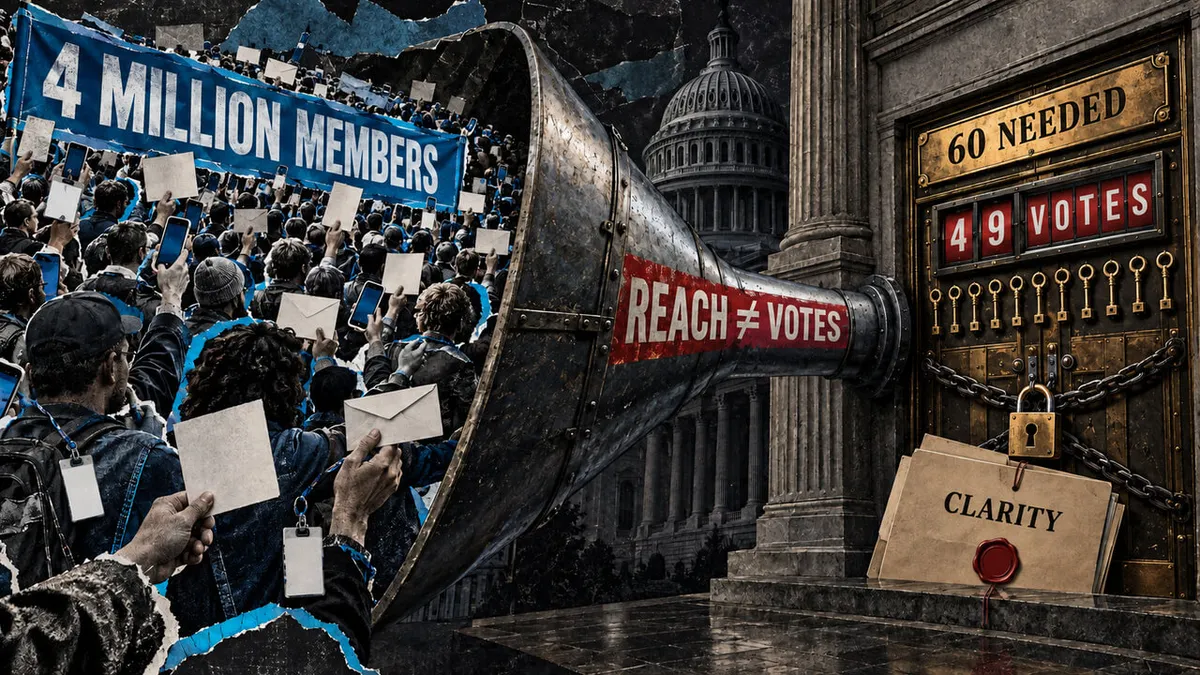
Stand With Crypto’s 4 million registered advocates couldn’t get the CLARITY Act through the Senate

Kakao Pay, KakaoBank to explore stablecoin opportunities with Fireblocks

US Attorney's investigation into Binance focuses on Iran sanctions compliance