A $239B claim on dormant Bitcoin wallets faces a new obstacle after old address moves
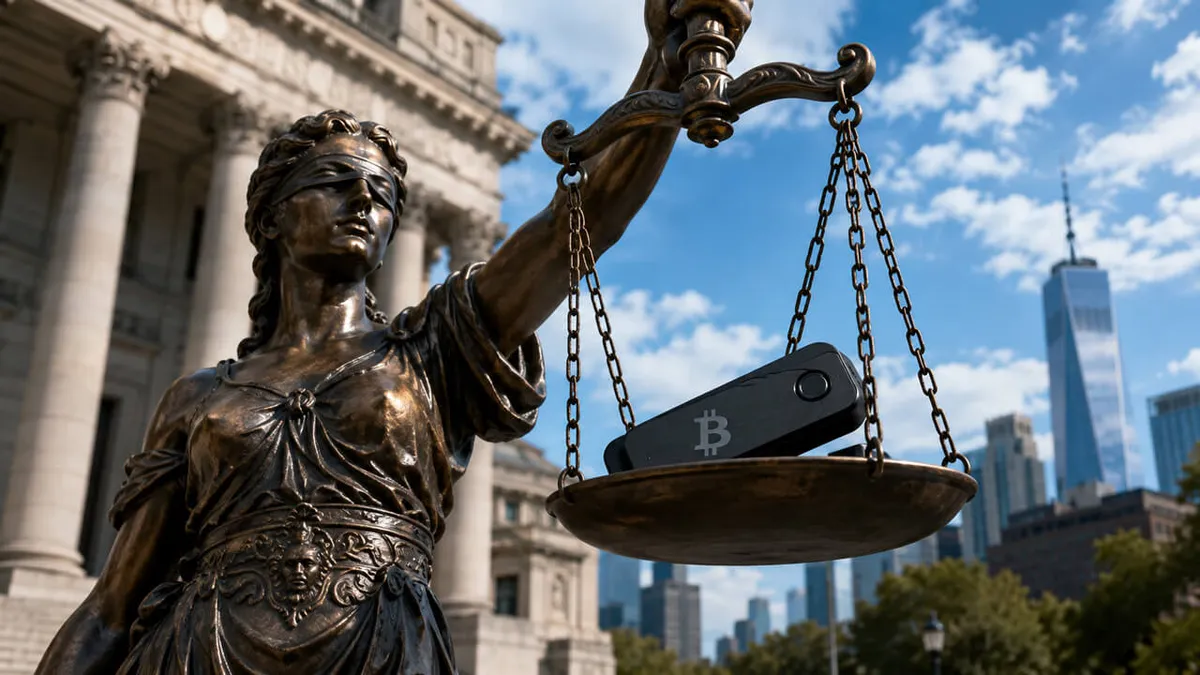
The recent developments in the Noah Doe case have created significant ripples in the cryptocurrency community, particularly concerning dormant Bitcoin wallets with a staggering $239 billion claim. On June 2, a notable transaction was executed from one of the addresses tied to these wallets, raising questions about the ownership and control of the assets. Following this, a court stay was issued on June 5, effectively placing a temporary halt on proceedings. This situation has transformed the case into a pivotal examination of legal title versus the control granted by private keys, drawing attention from both legal experts and cryptocurrency enthusiasts.
To understand the gravity of the case, we need to look at its background. The claim, which has been the subject of much debate, revolves around wallets that have remained inactive for years, potentially holding a significant amount of Bitcoin. The original claimants argue they have legal rights to these assets based on various factors, including contractual agreements and presumed ownership. However, the recent transaction from one of the dormant addresses complicates matters, as it suggests that someone may have access to the private keys associated with those wallets, thus challenging the claimants' assertions of ownership.
This scenario is critical for the broader cryptocurrency market as it highlights the ongoing tensions between traditional legal frameworks and the decentralized nature of digital currencies. The implications of the court's decisions could set a precedent for future disputes involving dormant assets and ownership rights in the crypto space. If private key control is prioritized over legal claims, it may embolden individuals to seek out and utilize dormant wallets, potentially impacting market dynamics and liquidity.
Expert opinions on the matter vary, with some legal analysts expressing concerns about the precedent being set. They argue that allowing a transaction from a dormant wallet to undermine a legal claim could destabilize the very foundations of asset ownership in the crypto realm. Conversely, others believe that this case could reinforce the principle that control of private keys ultimately dictates ownership, thus aligning legal interpretations with the ethos of cryptocurrency. The reactions have been mixed, with many in the industry closely monitoring the developments as they unfold.
Looking ahead, the outcome of the Noah Doe case is likely to influence not only the claimants and defendants but also the broader landscape of cryptocurrency ownership disputes. As legal proceedings continue, it will be essential for stakeholders to engage with these emerging legal frameworks to navigate the complexities of digital asset ownership. With the court’s decisions potentially reshaping the way ownership is interpreted in the crypto space, all eyes will remain fixed on this landmark case as it progresses through the judicial system.

CoinMagnetic Team
Crypto investors since 2017. We trade with our own money and test every exchange ourselves.
Updated: June 2026
From our insights:
Related news
Crypto sector emerges as top donor with $206 million in midterms backing
Stand With Crypto’s 4 million registered advocates couldn’t get the CLARITY Act through the Senate

Kakao Pay, KakaoBank to explore stablecoin opportunities with Fireblocks

US Attorney's investigation into Binance focuses on Iran sanctions compliance

ECB initiates wholesale digital euro for banks and tokenized bond purchases