5 corruption gaps Congress must close in the Clarity Act
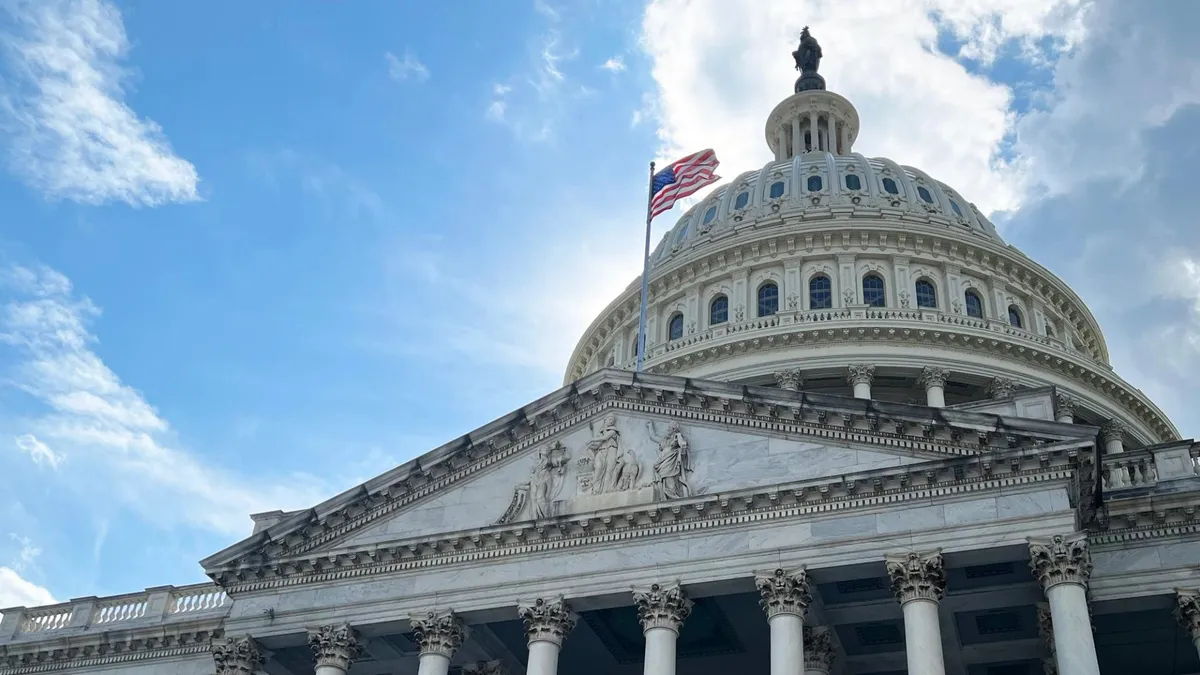
The U.S. Senate is currently advancing what could be the most consequential piece of crypto legislation in the world–the Clarity Act. This legislation aims to provide a comprehensive framework for regulating cryptocurrencies, but concerns have been raised about its potential shortcomings. Notably, the act may inadvertently leave the nation vulnerable to significant issues, including money laundering, sanctions evasion, and conflicts of interest among government officials. Critics, such as Greytak, argue that these gaps need to be addressed to ensure that the legislation does not create further risks in an already complex landscape.
The context surrounding the Clarity Act is essential to understand its implications. As the cryptocurrency market continues to expand, regulatory bodies are under increasing pressure to establish safeguards that protect consumers and the financial system at large. While the act seeks to clarify the legal status of digital assets, it has also drawn scrutiny for its perceived lack of robust anti-corruption measures. Historically, the U.S. has been a leader in setting regulatory standards, but the rapid evolution of the crypto sector challenges lawmakers to keep pace, raising the stakes for both the industry and governmental integrity.
The potential impact of the Clarity Act on the market cannot be understated. If the legislation is enacted as it currently stands, it could lead to an environment where bad actors exploit loopholes, undermining trust in the cryptocurrency ecosystem. Such vulnerabilities could deter institutional investment and hinder the overall growth of the industry, as stakeholders would be wary of engaging in a market rife with regulatory uncertainty. Closing these corruption gaps would not only bolster the credibility of U.S. crypto legislation but also enhance the nation's position as a leader in fostering innovation while safeguarding against financial malfeasance.
Industry reactions to the Clarity Act have been mixed, with some experts applauding the effort to create a coherent regulatory framework, while others express concern about the lack of stringent measures to combat corruption. Many advocates are calling for amendments to address these critical gaps, emphasizing that effective regulation is crucial for the long-term sustainability of the crypto market. The dialogue surrounding the Clarity Act reflects broader tensions between fostering innovation and ensuring accountability, which will likely continue as the legislation moves through the Senate.
Looking ahead, the future of the Clarity Act will depend on the willingness of lawmakers to address the highlighted concerns. As the legislative process unfolds, stakeholders across the crypto spectrum will be watching closely to see how Congress responds to calls for enhanced measures against corruption. The outcome could significantly shape the regulatory landscape for cryptocurrencies in the U.S. and influence how other nations approach similar legislation. Ensuring that the act strengthens protections against illicit activities may ultimately determine its success and the trust it garners from the market at large.

CoinMagnetic Team
Crypto investors since 2017. We trade with our own money and test every exchange ourselves.
Updated: June 2026
From our insights:
Related news

Crypto sector emerges as top donor with $206 million in midterms backing

Stand With Crypto’s 4 million registered advocates couldn’t get the CLARITY Act through the Senate

Kakao Pay, KakaoBank to explore stablecoin opportunities with Fireblocks

US Attorney's investigation into Binance focuses on Iran sanctions compliance

ECB initiates wholesale digital euro for banks and tokenized bond purchases