Yield-bearing stablecoin slowdown ends three-year run for crypto-native products

In a significant shift for the cryptocurrency landscape, yield-bearing stablecoins have experienced a notable contraction, with supply declining by 15% in the second quarter of 2023. This downturn marks the end of a three-year period characterized by rapid growth for crypto-native yield-bearing products. Notably, stablecoins such as sUSDe and sUSDS have seen substantial reductions in their supply, signaling a potential reevaluation of investor strategies within this segment. Meanwhile, Treasury-backed stablecoins like BUIDL, USYC, and USDY have bucked this trend, continuing to expand and suggesting a possible pivot in market preferences.
To understand this shift, it is essential to consider the broader context of the stablecoin market. Over the past few years, yield-bearing stablecoins gained traction as investors sought to capitalize on the high-interest rates offered by decentralized finance (DeFi) protocols. However, recent fluctuations in interest rates, regulatory scrutiny, and market volatility may have led investors to reassess the risks associated with these assets. The contraction in supply for products like sUSDe and sUSDS could reflect a growing sentiment that the yield-bearing model is less sustainable than previously thought, prompting investors to seek safer, more stable alternatives.
This change in the yield-bearing stablecoin landscape is crucial for the broader cryptocurrency market. As these products have often been viewed as a bridge between traditional finance and the crypto ecosystem, their decline could have ripple effects on liquidity and investment strategies. The movement toward Treasury-backed stablecoins suggests a potential shift towards more conservative asset management in the face of uncertainty. This trend could impact the overall demand for crypto-native products, influencing how new projects are developed and how existing ones adapt to the changing landscape.
Industry experts have offered various perspectives on this development. Some analysts highlight that while the contraction of yield-bearing stablecoins may seem concerning, it could ultimately lead to a more robust market structure in the long run. They argue that the growth of Treasury-backed products signals a maturation of the stablecoin market, as investors prioritize security and regulatory compliance over high yields. Others, however, caution that the decline could indicate a loss of confidence in the sustainability of yield-bearing mechanisms, which could have broader implications for the DeFi ecosystem.
Looking ahead, it remains to be seen how this trend will evolve. The ongoing performance of Treasury-backed stablecoins will be closely monitored, as their growth could either solidify their place in the market or invite further scrutiny from regulators. Additionally, the future of yield-bearing stablecoins may hinge on their ability to innovate and adapt to the shifting preferences of investors. As the market continues to evolve, the response from both traditional finance and the crypto community will play a crucial role in shaping the next chapter of stablecoin development.

CoinMagnetic Team
Crypto investors since 2017. We trade with our own money and test every exchange ourselves.
Updated: July 2026
From our insights:
Related news

UK’s 2027 crypto regulations allow removal of trust protection on Bitcoin lending

Bitcoin holds steady near $83,700 as PCE data eases rate hike fears

Bitcoin rallies as cool PCE data eases rate-hike concerns amid high bond yields

CFTC sends new rules on swaps definitions amid state gambling disputes
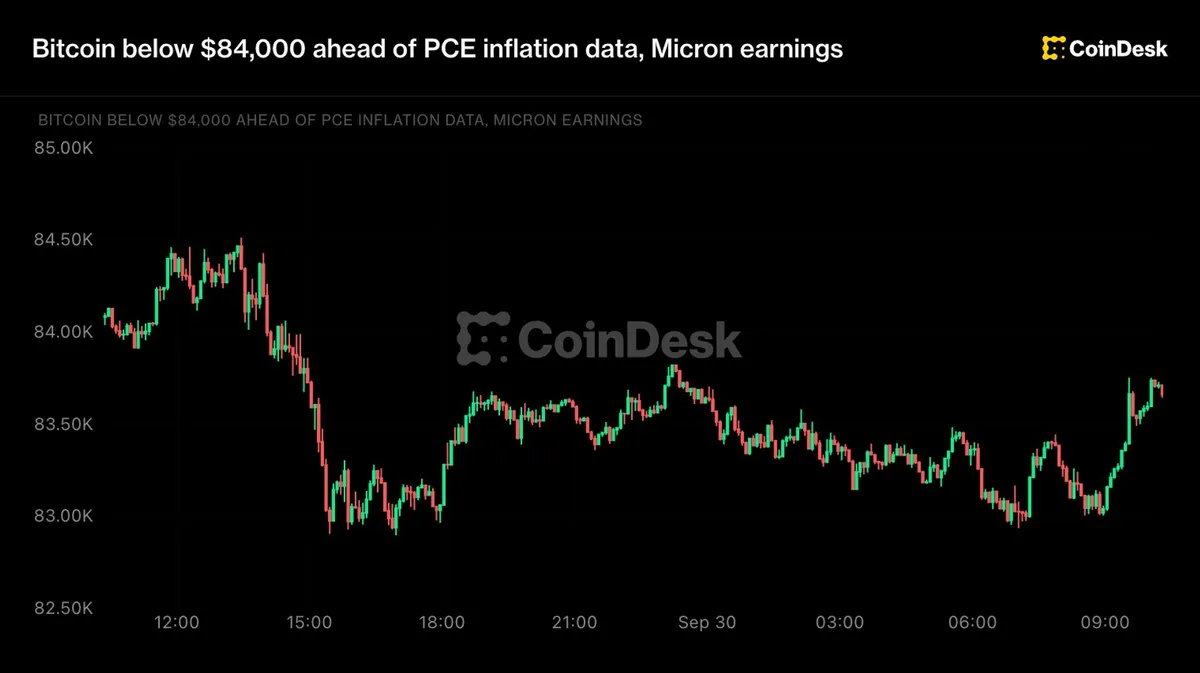
Bitcoin dips below $84,000 as traders await key inflation data