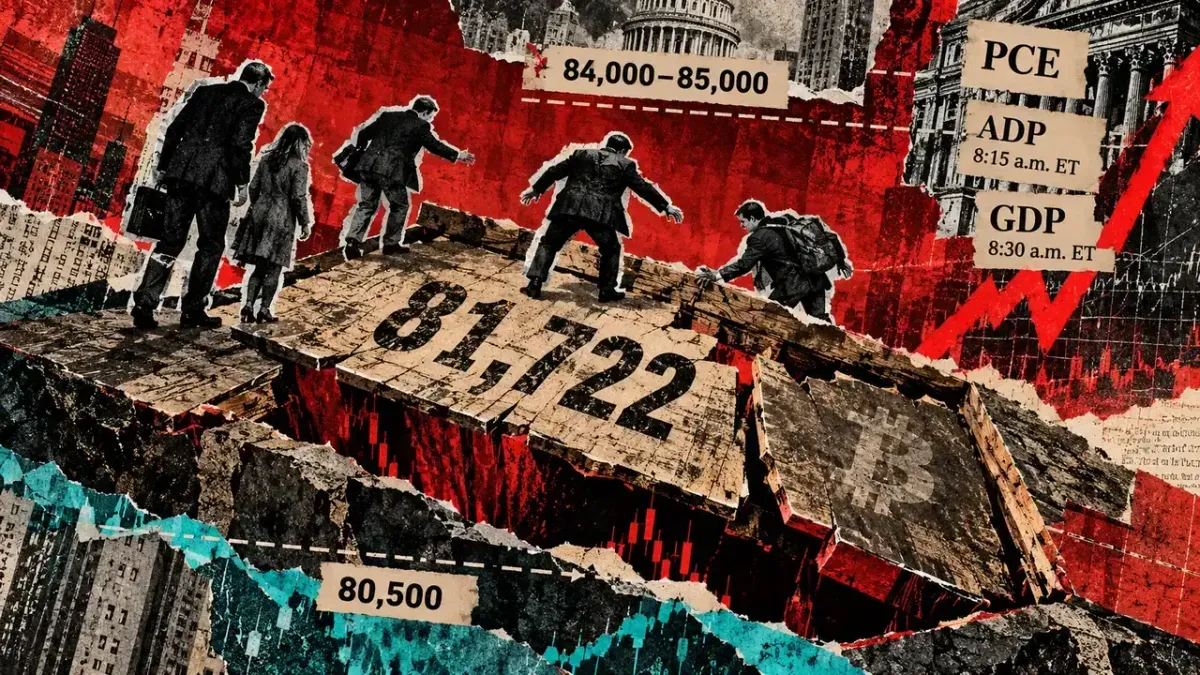
Bitcoin rallies as cool PCE data eases rate-hike concerns amid high bond yields

Bitcoin experienced a notable increase following the release of the latest Personal Consumption Expenditures (PCE) inflation data, which showed a cooler-than-expected rate of inflation. This data is closely monitored by the Federal Reserve as a key measure of inflationary pressures. As a result of this favorable economic indicator, expectations of rate hikes diminished, prompting traders to react positively in the cryptocurrency market. Bitcoin's price surge signals a renewed confidence among investors as they assess the implications of the PCE report.
The PCE index is considered the Fed's preferred inflation gauge, as it measures the changes in the price of goods and services consumed by households. The latest figures revealed a softer inflation rate, which contrasts with previous months' data that indicated rising price pressures. This shift in the inflation narrative has led to changing expectations regarding monetary policy, with many analysts and investors now betting that the Fed may take a more cautious approach in its upcoming meetings. The backdrop of this data points to a complex interplay between inflation, interest rates, and the broader economic environment.
The implications of this PCE report for the market are significant. As rate-hike odds diminish, it generally creates a more favorable environment for riskier assets, including cryptocurrencies like Bitcoin. Lower interest rates typically lead to increased liquidity in the market, encouraging investors to seek higher returns in alternative assets. This dynamic is likely to continue influencing Bitcoin's price as traders adjust their strategies in response to macroeconomic developments. The correlation between Bitcoin and traditional financial markets may also become more pronounced as both sectors react to the same economic indicators.
Industry reactions to the PCE data have been largely optimistic, with many experts expressing relief over the cooling inflation. Analysts suggest that the current market sentiment could lead to increased institutional interest in Bitcoin as a hedge against inflation. Some industry leaders believe that this could mark a turning point for Bitcoin, potentially driving prices higher in the coming months. The consensus among market participants is that maintaining a close watch on inflation data will be crucial for understanding future trends in both the cryptocurrency and traditional markets.
Looking ahead, the focus will remain on upcoming economic data releases and the Federal Reserve's policy decisions. With bond yields reaching their highest levels in two decades, the relationship between interest rates and risk assets will be under scrutiny. Investors will be keen to see how the Fed responds to these inflation indicators and whether it will adjust its monetary policy accordingly. As Bitcoin continues to react to these macroeconomic signals, the interplay between inflation, interest rates, and cryptocurrency prices is expected to remain a key theme in the financial landscape.

CoinMagnetic Team
Crypto investors since 2017. We trade with our own money and test every exchange ourselves.
Updated: September 2026
From our insights:
Related news

UK’s 2027 crypto regulations allow removal of trust protection on Bitcoin lending
Bitcoin holds steady near $83,700 as PCE data eases rate hike fears

CFTC sends new rules on swaps definitions amid state gambling disputes
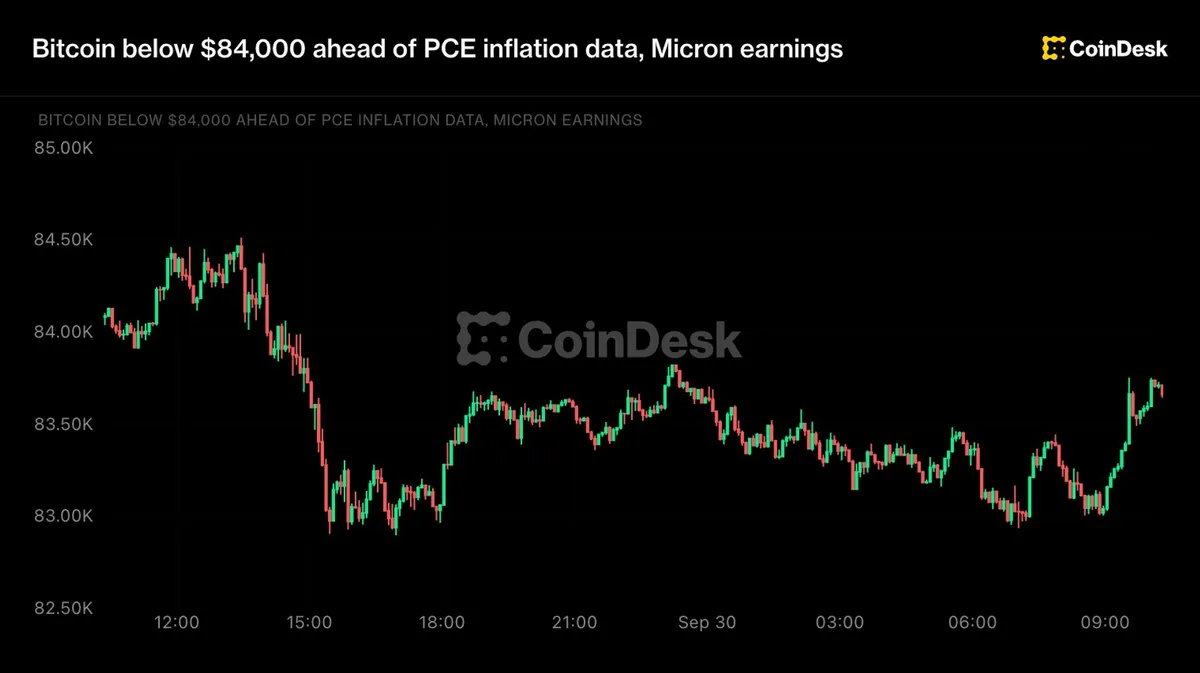
Bitcoin dips below $84,000 as traders await key inflation data
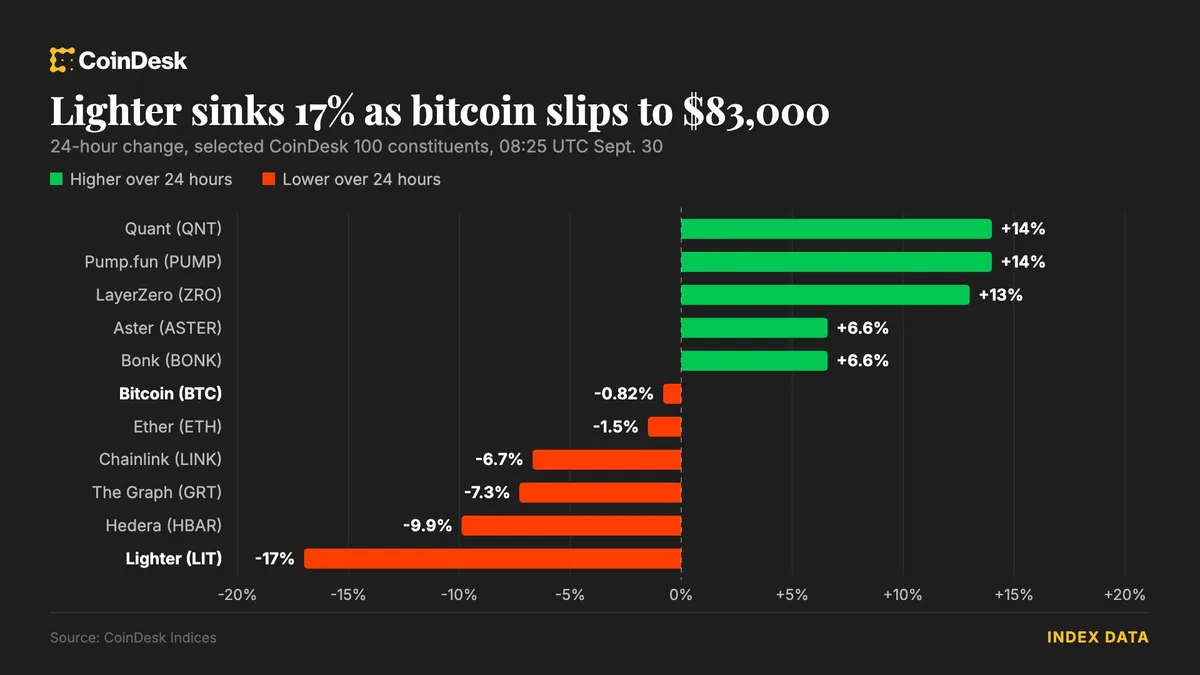
Bitcoin remains around $83,000 as Treasury yield surpasses 5.6% while lighter drops 17%