XRP lending model exposes depositors to 90% loss on bad loans despite large reserves
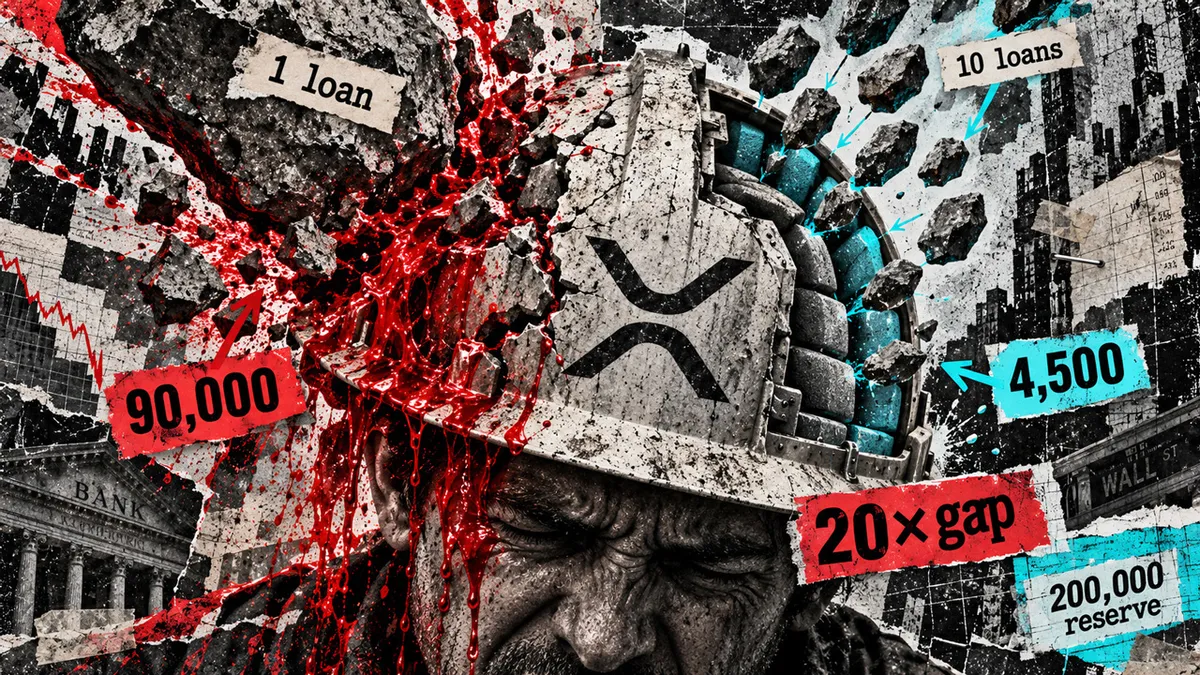
Recent modeling of the XRP lending framework has revealed a concerning outcome for depositors. In scenarios where a single large loan defaults, depositors face a staggering loss of 90,000 tokens from the vault, despite the reserves being twice the size of the exposure. In contrast, when multiple smaller loans default, the loss per depositor reduces significantly to 4,500 tokens. This discrepancy raises questions regarding the risk management and protective measures in place for those participating in XRP-based lending.
Understanding the implications of this model requires some background on XRP's lending mechanisms. The XRP ecosystem is built around the idea of leveraging digital assets for lending and borrowing, with reserves intended to act as a buffer against defaults. However, the recent analysis suggests that the current structure may not adequately shield depositors from the risks associated with larger loans. This raises concerns about the overall viability of the lending model and its appeal to potential users.
The significance of these findings for the broader market cannot be understated. As the DeFi sector continues to grow, the efficacy and safety of lending models are critical to attracting participants. If depositors perceive a high risk of loss, particularly in a market that can be volatile, they may hesitate to engage with XRP's lending services. This could lead to diminished liquidity and slow adoption of XRP as a lending option in the crypto space.
Industry reaction has been mixed, with some experts expressing alarm over the implications of such a risk exposure for depositors. While some argue that this could deter new investors from participating in XRP lending, others suggest it could drive innovation in developing more robust risk management strategies. The conversation surrounding these vulnerabilities in the XRP lending model has prompted discussions about potential reforms or alternative structures that could better protect depositors.
Looking ahead, the XRP community and developers will need to address these concerns to restore confidence among potential users. This could involve re-evaluating the lending framework to create a more balanced risk-sharing structure or implementing additional safeguards for depositors. As the industry evolves, how XRP responds to these challenges will likely play a crucial role in shaping its future within the competitive DeFi landscape.

CoinMagnetic Team
Crypto investors since 2017. We trade with our own money and test every exchange ourselves.
Updated: September 2026
From our insights:
Related news
Bitcoin drops to around $81,600 amid renewed AI skepticism, DeFi tokens fall

Cardano Foundation warns EU that expanding MiCA rules to DeFi risks uncertainty
Dataline raises $10.6 million for decentralized data network for AI agents, plans ICO

Fixed-rate loans could unlock 1.8 billion dollars in real-world asset demand

Standard Chartered advances Zodia Custody buyout following May acceptance