DeFi pools face hidden credit risks from the 'buy, borrow, die' strategy
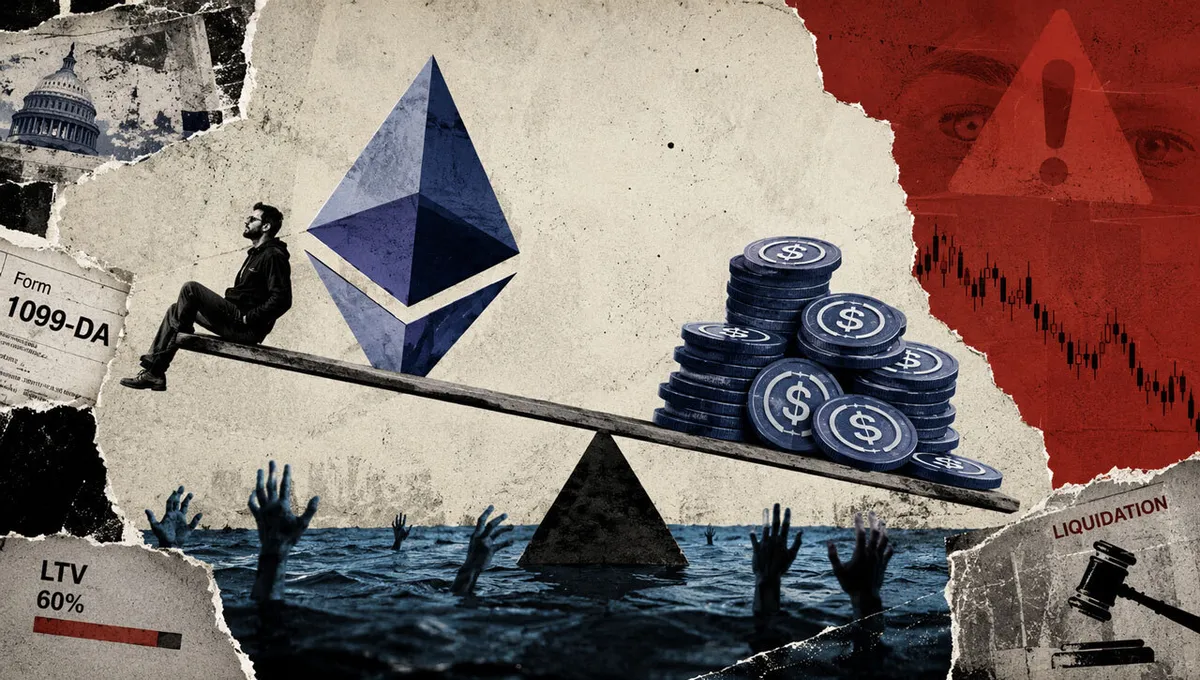
A growing trend in decentralized finance (DeFi) is the so-called "buy, borrow, die" tax strategy, which allows investors to leverage their assets without triggering capital gains taxes. For instance, consider an investor who purchased Ethereum (ETH) for $1,000 and watched its price soar to $4,000. Rather than selling a portion of their ETH to realize gains and incur taxes, the investor can deposit the asset into a DeFi platform, borrow against it, and avoid immediate tax implications. This method is gaining traction as it offers a workaround to traditional investment tax burdens, but it comes with its own set of risks.
The context of this strategy lies in the complex relationship between taxation, asset appreciation, and the DeFi lending landscape. Under U.S. tax law, selling digital assets triggers capital gains tax based on the profit made, which can be substantial given the volatility and growth of cryptocurrencies. Instead of liquidating assets and facing these tax consequences, investors are increasingly opting to utilize DeFi protocols to access liquidity while retaining ownership of their appreciating assets. This trend raises questions about the long-term sustainability of DeFi pools as they become loaded with borrowed assets.
The implications for the market are significant, as the increased use of this strategy can lead to a buildup of hidden credit risk within DeFi pools. When many investors adopt similar tactics, it creates a scenario where a sudden downturn in asset prices could lead to widespread liquidations, potentially destabilizing DeFi platforms. Furthermore, as liquidity becomes concentrated in these borrowed positions, it raises concerns about the overall health of the ecosystem and the potential for cascading failures.
Industry experts have noted the potential dangers associated with the "buy, borrow, die" strategy, emphasizing the need for greater transparency and risk management within DeFi platforms. Some analysts argue that while the strategy offers short-term benefits for tax-conscious investors, it could expose the entire DeFi sector to systemic risks if left unchecked. As more participants enter the space without fully understanding the risks involved, the likelihood of adverse outcomes increases.
Looking ahead, the DeFi community may need to implement measures aimed at mitigating these risks. This could involve enhanced risk assessment frameworks, clearer guidelines on borrowing practices, and more robust liquidity management strategies. As the landscape of DeFi continues to evolve, it will be crucial for both developers and users to navigate these complexities carefully to ensure a stable and sustainable future for decentralized finance.

CoinMagnetic Team
Crypto investors since 2017. We trade with our own money and test every exchange ourselves.
Updated: September 2026
From our insights:
Related news

HoneyB creator Nectar Group secures $5 million seed investment

Ethereum secures 43.8 million staked coins in third quarter despite yield drop

Brale-backed USTX stablecoin aims to bring real-world assets to tx
DeFi tokens outpace altcoin gains as bitcoin holds firm near $82,700

France's stablecoin tax adoption sparks broader regulatory debates