World Cup bettors are losing millions on Polymarket’s “safe” favorites
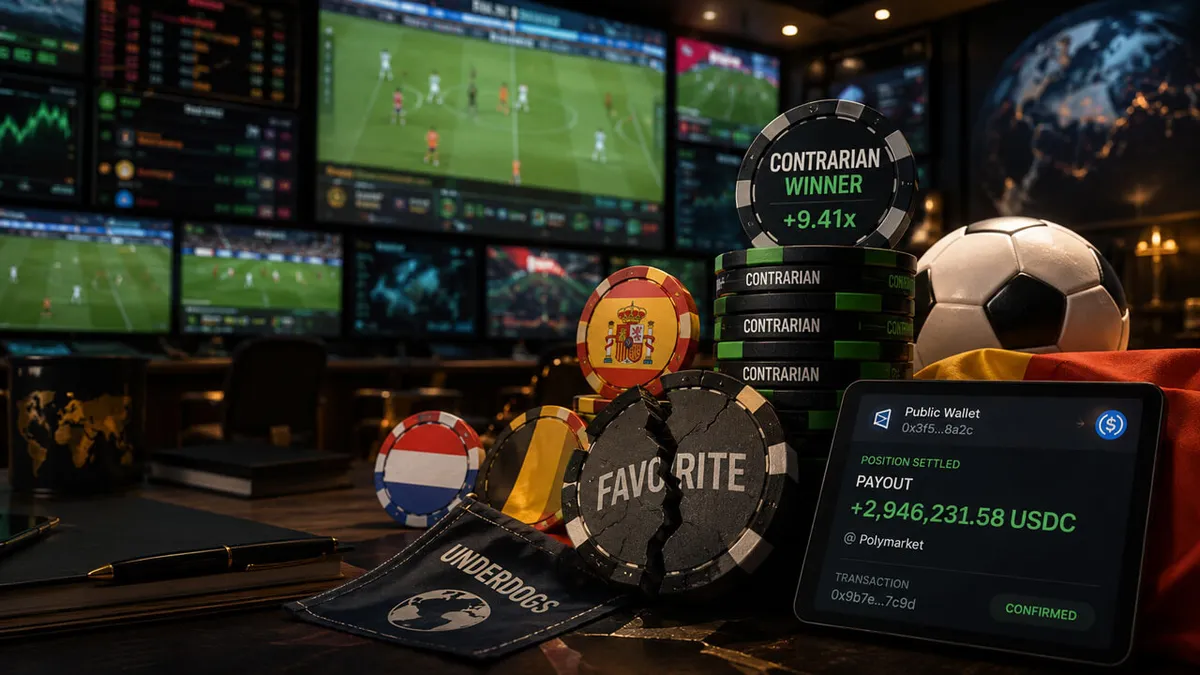
The recent World Cup match between Spain and Cape Verde has sent shockwaves through the betting community on Polymarket, as bettors who placed their faith in Spain’s dominating performance were left bewildered by an unexpected 0-0 draw. Spain, boasting ball possession for nearly 75% of the match and launching 27 shots at the Cape Verde goal, appeared to be on the brink of a decisive victory. However, the legendary performance of Cape Verde's 40-year-old goalkeeper, Vozinha, who earned player-of-the-match honors, ultimately thwarted Spain’s efforts and left many bettors reeling from their losses.
Understanding the context of this event is crucial for grasping its significance in the betting landscape. Polymarket, a decentralized prediction market platform, allows users to bet on the outcome of various events, including sports matches. The platform operates under the premise that bettors can gauge the likelihood of outcomes based on available data and prevailing narratives. In this case, Spain was viewed as a "safe" favorite, making the unexpected draw all the more devastating for those who had invested their funds in the belief of a straightforward win. This match serves as a reminder of the unpredictable nature of sports betting, particularly in high-stakes tournaments like the World Cup.
The implications of this draw extend beyond the immediate losses incurred by bettors. It highlights the inherent risks associated with prediction markets and the reliance on statistical analysis in decision-making. The shock result may lead to increased caution among bettors in future matches, as they weigh the potential for upsets against favorable odds. Moreover, it could shift the dynamics of betting strategies within the crypto space, prompting bettors to diversify their approaches and consider less conventional outcomes or hedging strategies to mitigate risk.
Industry experts have weighed in on the situation, emphasizing the unpredictable nature of sports events and the need for bettors to adopt a more analytical mindset. Many analysts have pointed out that while statistical data can provide insights, it should not be the sole basis for betting decisions. The draw has sparked discussions on social media and within betting forums, with some bettors sharing their experiences and reevaluating their strategies in light of such unexpected results. The incident serves as a case study on the volatility of prediction markets and the importance of recognizing that anything can happen in sports.
Looking ahead, bettors and platforms like Polymarket will likely need to adapt to the lessons learned from this match. As bettors reassess their strategies and approaches, we may see a shift towards more diversified betting patterns that account for unforeseen outcomes. Additionally, as the World Cup progresses, the anticipation of further surprises could keep bettors on their toes, encouraging a more cautious yet engaged betting environment. The landscape will undoubtedly continue to evolve as participants navigate the unpredictable world of sports betting.

CoinMagnetic Team
Crypto investors since 2017. We trade with our own money and test every exchange ourselves.
Updated: June 2026
From our insights:
Related news

ZetaChain votes to shut down Layer 1 network and move ZETA to Solana

Solana reduces block times by 17% with latest upgrade, boosting transaction freshness

Optimism secures upgrade for Superchain to enable interoperability

Solana boosts transaction size by 3x amid surge in network activity
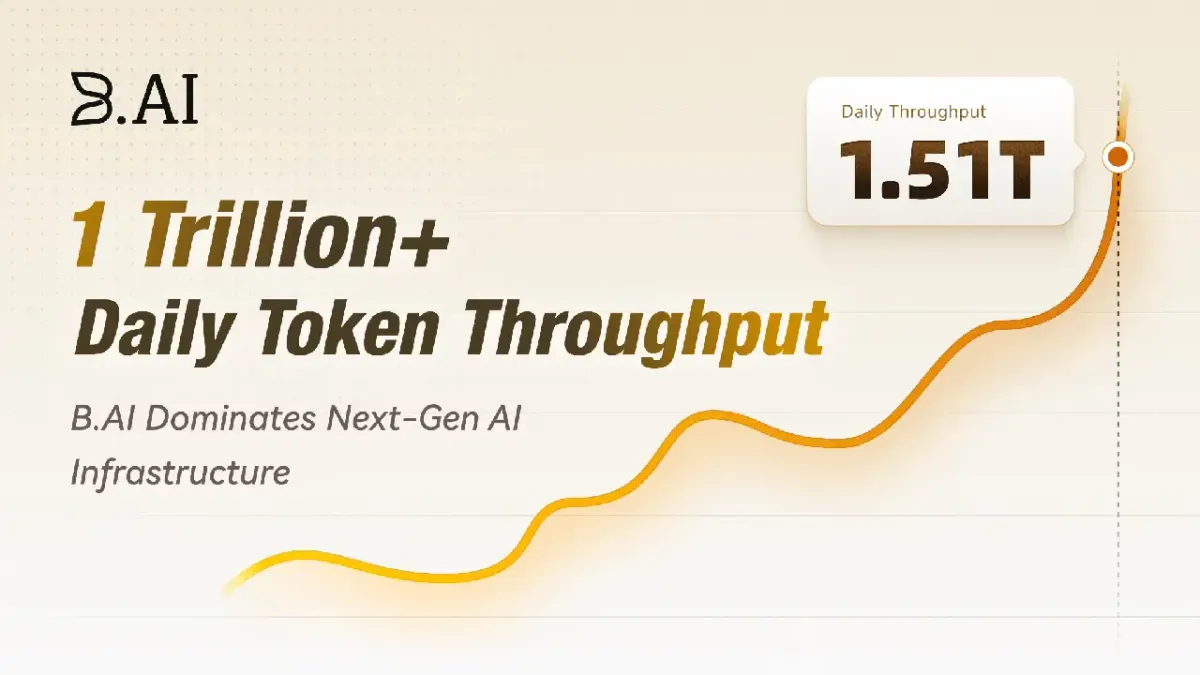
B.AI achieves record 1.51 trillion tokens daily throughput for AI infrastructure