A tiny cluster of Solana bots unlocked a 3x trading advantage by routing through one proprietary protocol

Recently, a fascinating revelation has emerged regarding a group of Solana bots that have managed to gain a significant trading advantage by utilizing a proprietary protocol. This cluster, consisting of just 12 addresses, has reportedly achieved a trading split of 62.3% versus 21.01%, showcasing the potential power of strategic routing in cryptocurrency trading. While this finding highlights an impressive disparity in trading success, it's crucial to note that the data indicates association rather than direct causation–meaning that while these bots are performing exceptionally well, the reasons behind their success may be more complex than they appear.
To understand the implications of this development, we need to delve into the broader context of automated trading within the Solana ecosystem. The rise of decentralized finance (DeFi) has led to the proliferation of trading bots designed to optimize transaction timing and capitalize on market inefficiencies. These bots often use strategies such as front-running and arbitrage, which allow them to execute trades ahead of others or exploit price discrepancies across different platforms. The specific proprietary protocol used by this group of bots may offer unique advantages, but the competitive nature of the space means that other traders are likely to adapt quickly in response.
This news is particularly significant for the cryptocurrency market as it underscores the ongoing arms race among traders to leverage technology for profit. The ability of these Solana bots to achieve a threefold advantage not only highlights the potential for profit in automated trading but also raises questions about market fairness and accessibility. As trading strategies become increasingly sophisticated, it is essential for participants to remain informed and vigilant, as the competitive landscape can shift rapidly based on technological advancements.
Industry experts have weighed in on this development, emphasizing the need for transparency and the potential regulatory implications of such practices. Some analysts suggest that while the success of these bots may seem impressive, it could lead to increased scrutiny from regulators concerned about market manipulation and the fairness of trading practices. Others caution that as more traders become aware of these strategies, we may see a wave of new entrants attempting to replicate this success, which could ultimately lead to a leveling of the playing field.
Looking ahead, it will be interesting to see how the trading landscape evolves in response to these findings. Will other traders attempt to discover and exploit similar proprietary protocols? Or will regulatory bodies step in to impose guidelines aimed at ensuring fair competition? As the Solana ecosystem continues to mature, we anticipate ongoing developments that will shape not only automated trading strategies but also the broader market dynamics within the cryptocurrency space. Keeping an eye on these trends will be essential for understanding the future of trading in this rapidly changing environment.

CoinMagnetic Team
Crypto investors since 2017. We trade with our own money and test every exchange ourselves.
Updated: August 2026
From our insights:
Related news

Solana boosts transaction size by 3x amid surge in network activity
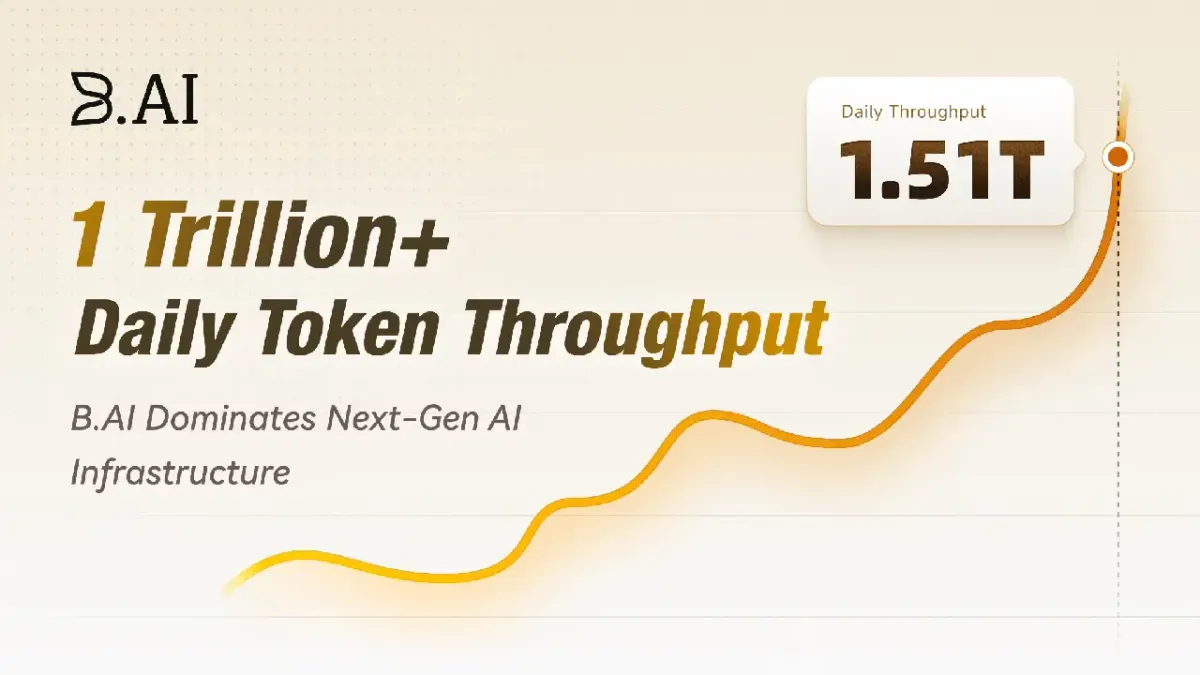
B.AI achieves record 1.51 trillion tokens daily throughput for AI infrastructure
Bitcoin Core's latest update alters wallet protocols, risking app disruptions

Solana more than triples transaction size limit with mainnet upgrade
XRP Ledger's next payments upgrade awaits final validator vote