Why US-regulated Bitcoin perpetuals could change crypto trading
The recent announcement regarding US-regulated Bitcoin perpetual futures has captured the attention of the crypto community, with implications for both retail and institutional traders. These regulated futures contracts aim to provide a structured and compliant way for participants to engage with Bitcoin's price movements without the need to own the underlying asset. By offering such products, the US market is likely to expand the avenues available for trading Bitcoin derivatives, thereby enhancing liquidity and possibly attracting new investor interest.
Understanding the context of this development requires a look back at the evolution of cryptocurrency trading in the US. Historically, the regulatory landscape has posed numerous challenges for crypto derivatives, with many traders relying on offshore exchanges to access such products. The introduction of regulated Bitcoin perpetuals signifies a shift towards more secure trading environments, where investors can engage in derivatives trading with the assurance of regulatory oversight. This change could bridge the gap between traditional financial markets and the burgeoning world of crypto.
The significance of US-regulated Bitcoin perpetuals cannot be understated. For the market, this move represents a maturation of the cryptocurrency space, potentially leading to increased institutional participation. The availability of these products could foster greater price stability and reduce volatility, as more sophisticated trading strategies can be employed. Furthermore, the presence of regulated instruments may encourage hesitant investors to enter the market, bringing additional capital and driving growth in the sector.
Industry reactions to this news have been largely positive, with many experts highlighting the potential benefits for both market participants and the broader ecosystem. Analysts suggest that this development could lead to more robust price discovery mechanisms and improved risk management strategies. Some industry veterans argue that the introduction of regulated perpetuals is a pivotal moment for the crypto sector, likening it to the early days of futures trading in traditional commodities. They emphasize that a regulated environment may also enhance consumer protection and instill greater trust in the market.
Looking ahead, the next steps will likely involve monitoring how these products are adopted and integrated into existing trading frameworks. Market participants will be keen to see the performance of regulated Bitcoin perpetuals and how they compare to existing offerings on unregulated platforms. Additionally, the response from regulatory bodies and exchanges will be crucial in shaping the future landscape of crypto derivatives trading. As the market evolves, we will continue to observe the impact of these developments on trading behaviors and overall market dynamics.

CoinMagnetic Team
Crypto investors since 2017. We trade with our own money and test every exchange ourselves.
Updated: June 2026
From our insights:
Related news
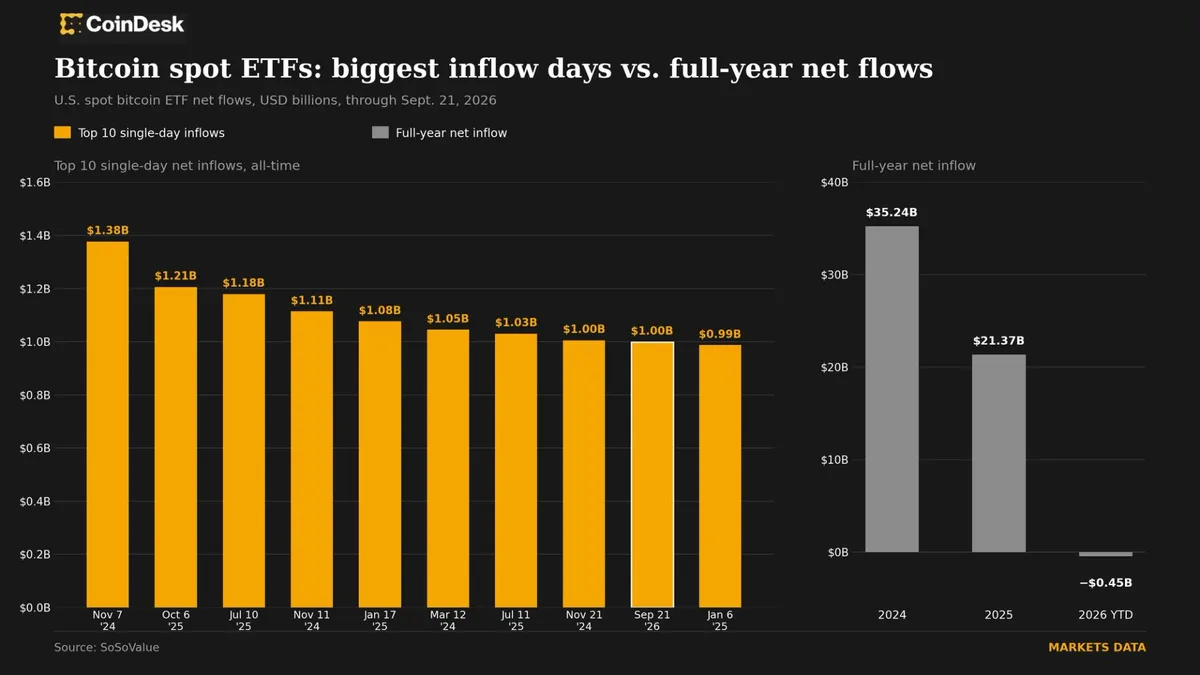
Spot bitcoin ETFs see nearly $1 billion inflow as bitcoin hits January highs
US spot Bitcoin ETFs see nearly $1 billion inflow, highest since October 2025
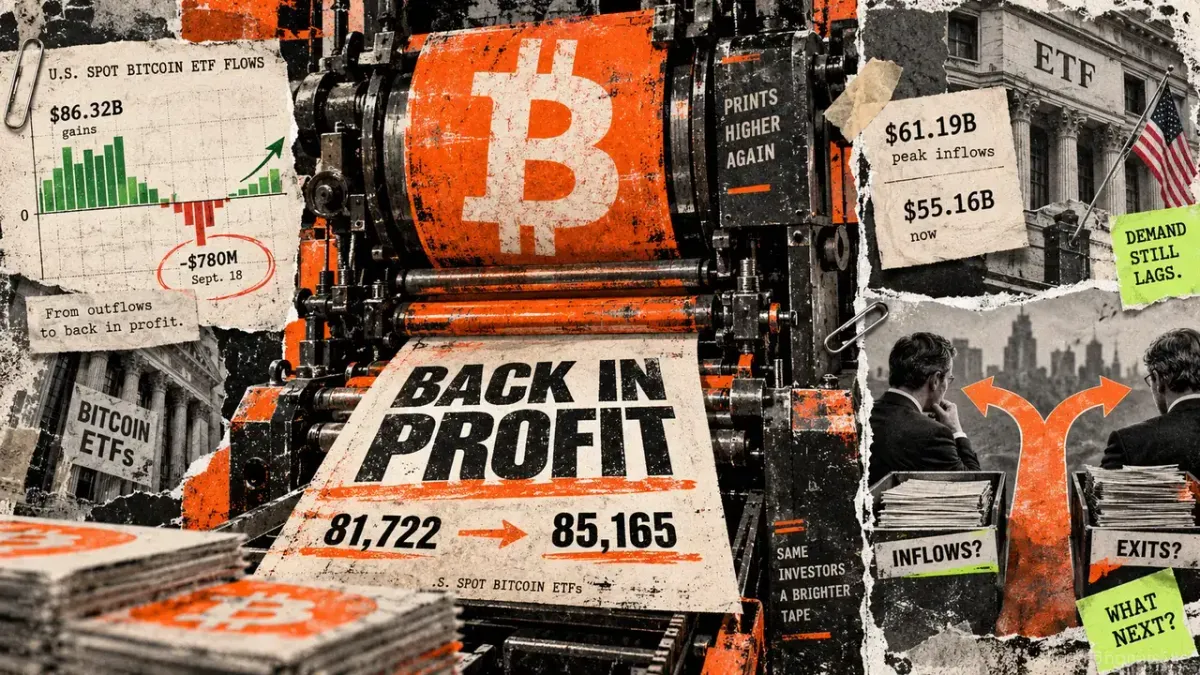
Bitcoin's rise to $86,000 restores profitability for ETF investors

Apple and Google seek crypto experts, signaling potential stablecoin initiatives
ECB initiates bond purchases using its own funds in crypto-linked system