Crypto sector increasingly mirrors banking with stablecoin reserves and tokenized funds

The landscape of the cryptocurrency industry is evolving, with significant shifts indicating that crypto's biggest business is beginning to resemble traditional banking. As stablecoin reserves, tokenized funds, Treasury income, and balance sheet management emerge as pivotal profit drivers, the convergence between these sectors becomes increasingly apparent. This transformation signals a maturation of the crypto market, with businesses adapting and integrating practices typically associated with traditional finance.
Historically, the crypto industry has been characterized by its decentralized nature and a strong emphasis on innovation. However, as the market has grown, the need for stability and regulatory compliance has prompted many crypto firms to adopt strategies that align more closely with those of traditional banks. The rise of stablecoins–digital currencies pegged to stable assets–has facilitated this shift, allowing companies to manage liquidity more effectively while also attracting institutional investors looking for reliable options in the volatile crypto space.
This development is particularly important for the market as it signifies a broader acceptance of cryptocurrencies by mainstream financial systems. The integration of banking-like services into crypto businesses could help build trust among investors and users, ultimately leading to increased adoption. Furthermore, as firms explore new revenue streams through tokenized funds and efficient balance sheet management, the overall resilience and profitability of the crypto sector may improve, attracting more significant investment.
Industry experts have noted this trend with a mix of optimism and caution. Some believe that the convergence of crypto and banking can lead to greater innovation and accessibility for consumers, while others warn of the potential regulatory challenges that may arise. The balance between innovation and compliance will be crucial as companies navigate this new landscape. As crypto firms adopt banking methodologies, they must also be mindful of the regulatory frameworks that govern traditional financial institutions.
Looking ahead, it will be interesting to see how this trend develops and what implications it may have for the future of both industries. As crypto businesses continue to adopt banking practices, they may pave the way for a more integrated financial ecosystem. The success of this integration will depend on the ability of these firms to balance innovation with compliance, ultimately shaping the next chapter of the cryptocurrency narrative.

CoinMagnetic Team
Crypto investors since 2017. We trade with our own money and test every exchange ourselves.
Updated: August 2026
From our insights:
Related news
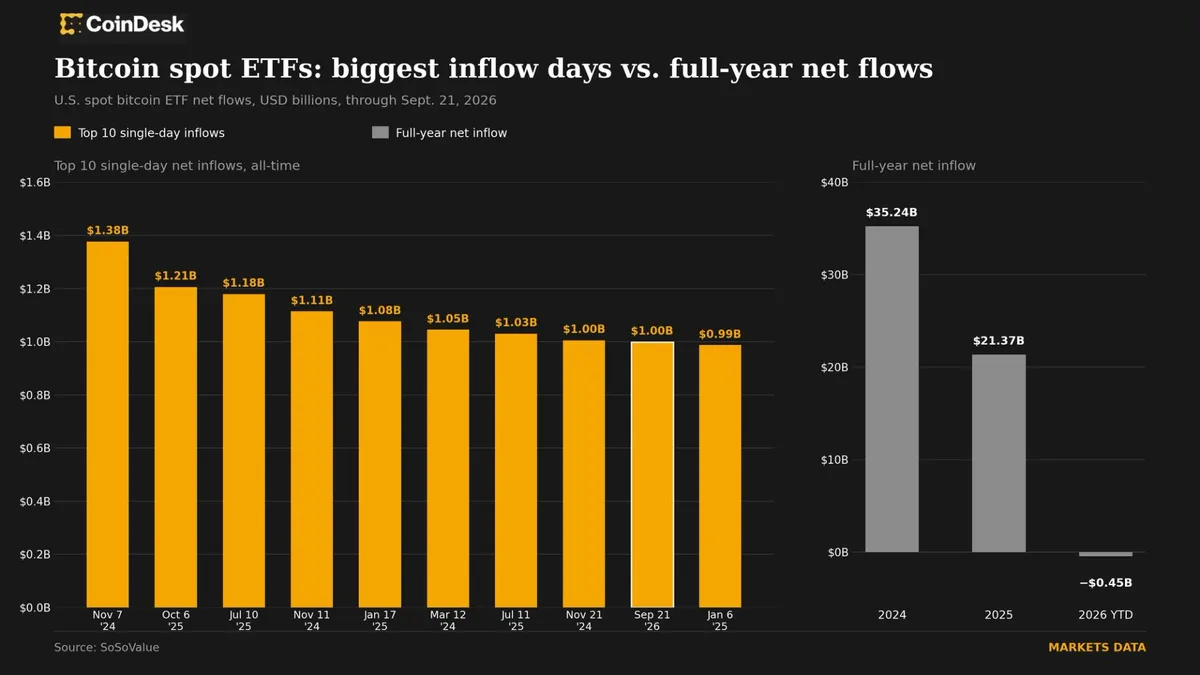
Spot bitcoin ETFs see nearly $1 billion inflow as bitcoin hits January highs

US spot Bitcoin ETFs see nearly $1 billion inflow, highest since October 2025

Bitcoin's rise to $86,000 restores profitability for ETF investors
Apple and Google seek crypto experts, signaling potential stablecoin initiatives

ECB initiates bond purchases using its own funds in crypto-linked system