Why tokenized SpaceX shares broke before retail investors could buy them
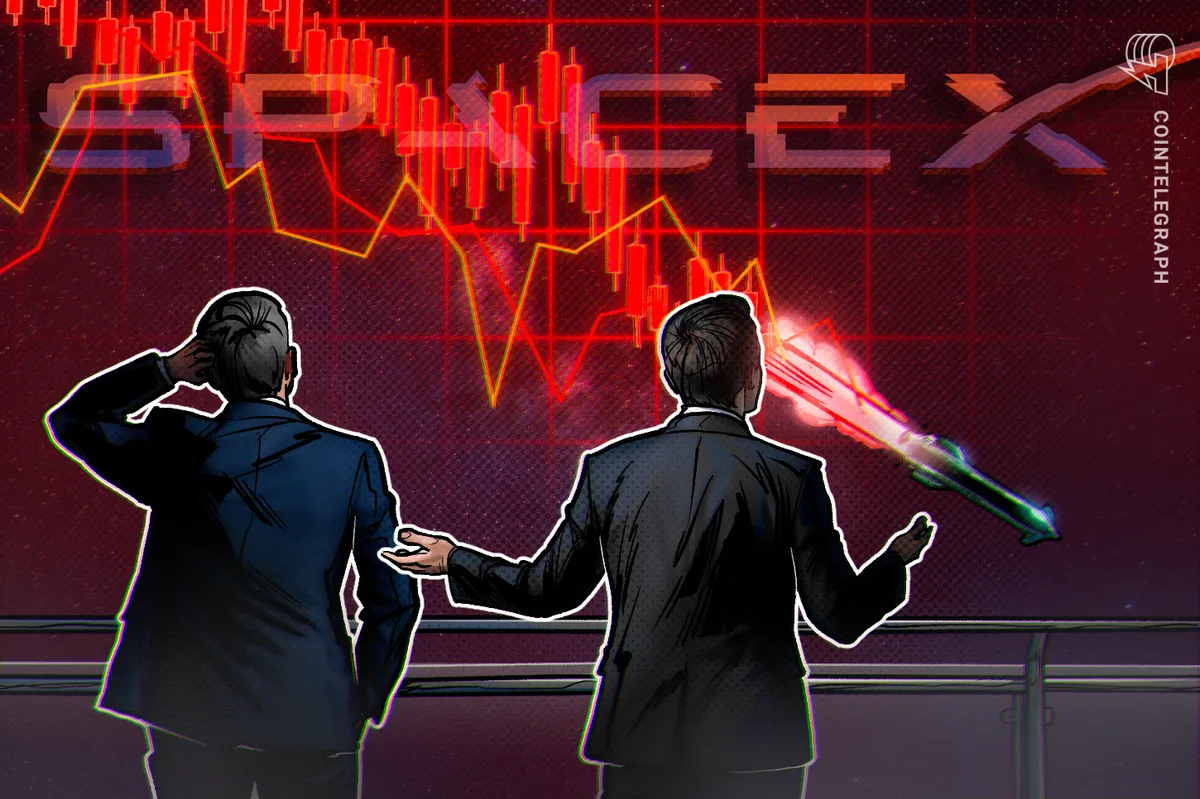
Recently, the tokenized shares of SpaceX created a significant buzz in the investment community, drawing in over $1 billion in demand from retail investors. However, despite this overwhelming interest, many potential investors found themselves receiving refunds instead of the coveted shares they aimed to purchase. This unexpected outcome has raised questions about the operational mechanics behind the tokenization process and the challenges associated with bringing such high-profile assets to the retail market.
To understand this situation, we must consider the broader context of tokenized assets. Tokenization allows traditional assets, such as stocks, to be represented digitally on a blockchain, providing the potential for fractional ownership and increased liquidity. In the case of SpaceX, a company with a tremendous reputation and high growth potential, the tokenization was expected to democratize access to its shares. However, the technical infrastructure and regulatory compliance necessary for such an endeavor are complex, and it appears that these challenges may have contributed to the inability to fulfill orders.
This incident matters significantly for the market, as it highlights the pitfalls associated with tokenized assets, especially those linked to well-known companies. The inability to deliver shares as promised could shake investor confidence in tokenized investments, a space that is still trying to establish credibility among traditional investors. The high demand for SpaceX shares indicates strong market interest, but the failure to provide those shares raises concerns about how tokenized offerings are managed and the infrastructure supporting them.
Industry reactions have been mixed, with some experts expressing disappointment over the logistical shortcomings, while others emphasize the importance of learning from the experience. Notably, blockchain advocates argue that this incident underscores the need for better systems and regulations to support the seamless trading of tokenized assets. They urge for greater transparency in the tokenization process, suggesting that clearer communication and robust technical solutions could help prevent similar issues in the future.
Looking ahead, this experience may prompt a reevaluation of how tokenized assets are introduced to the market. Companies involved in tokenization might need to enhance their operational frameworks to ensure that investor expectations are met. Additionally, regulatory bodies may take a closer look at the processes surrounding the issuance of tokenized shares, potentially leading to new guidelines aimed at protecting retail investors. As the market evolves, it will be crucial for all stakeholders to adapt and innovate, ensuring a more reliable and efficient tokenization landscape.

CoinMagnetic Team
Crypto investors since 2017. We trade with our own money and test every exchange ourselves.
Updated: June 2026
From our insights:
Related news
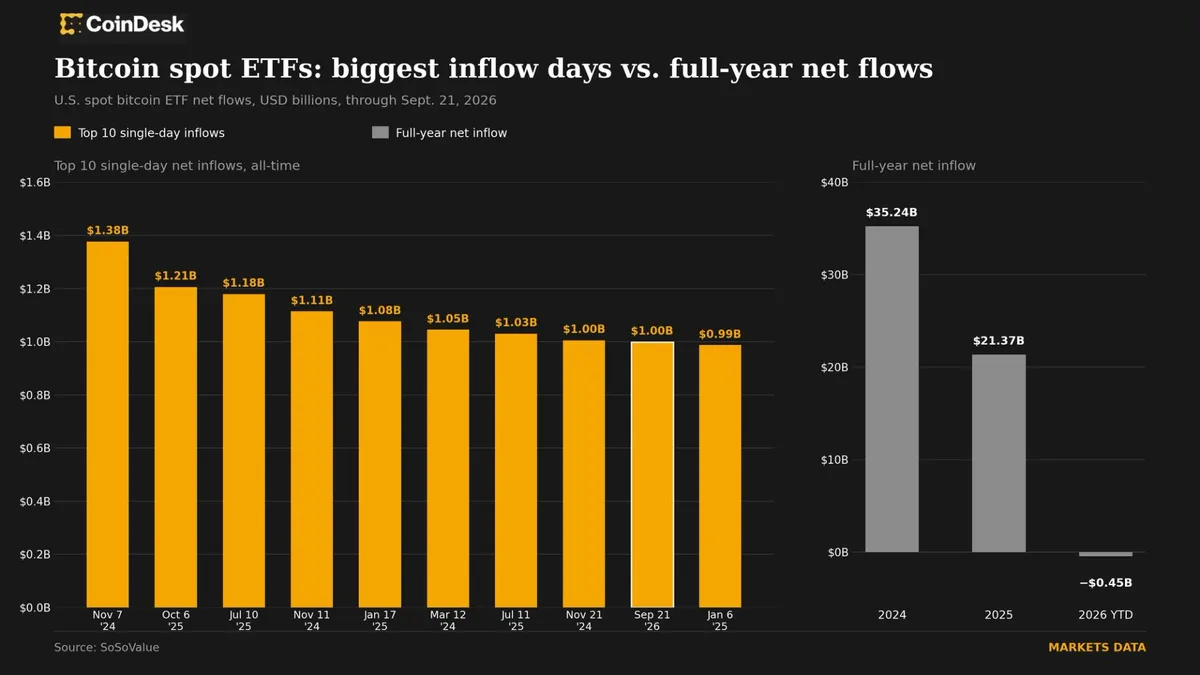
Spot bitcoin ETFs see nearly $1 billion inflow as bitcoin hits January highs
US spot Bitcoin ETFs see nearly $1 billion inflow, highest since October 2025
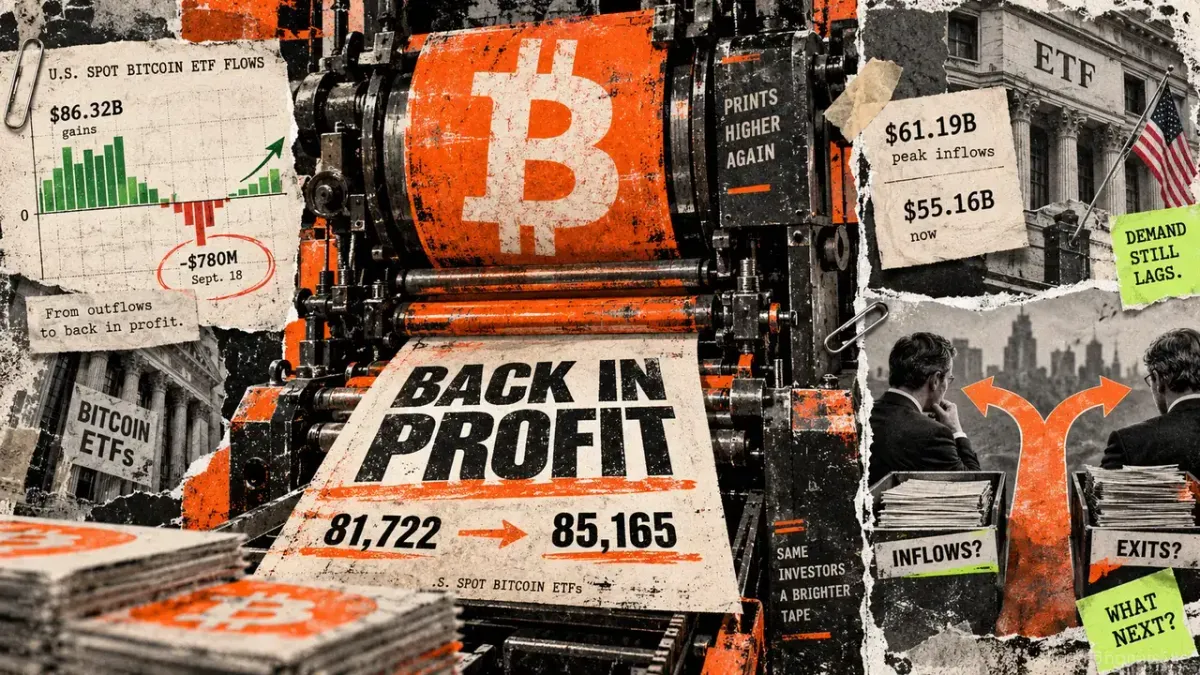
Bitcoin's rise to $86,000 restores profitability for ETF investors
Apple and Google seek crypto experts, signaling potential stablecoin initiatives

ECB initiates bond purchases using its own funds in crypto-linked system