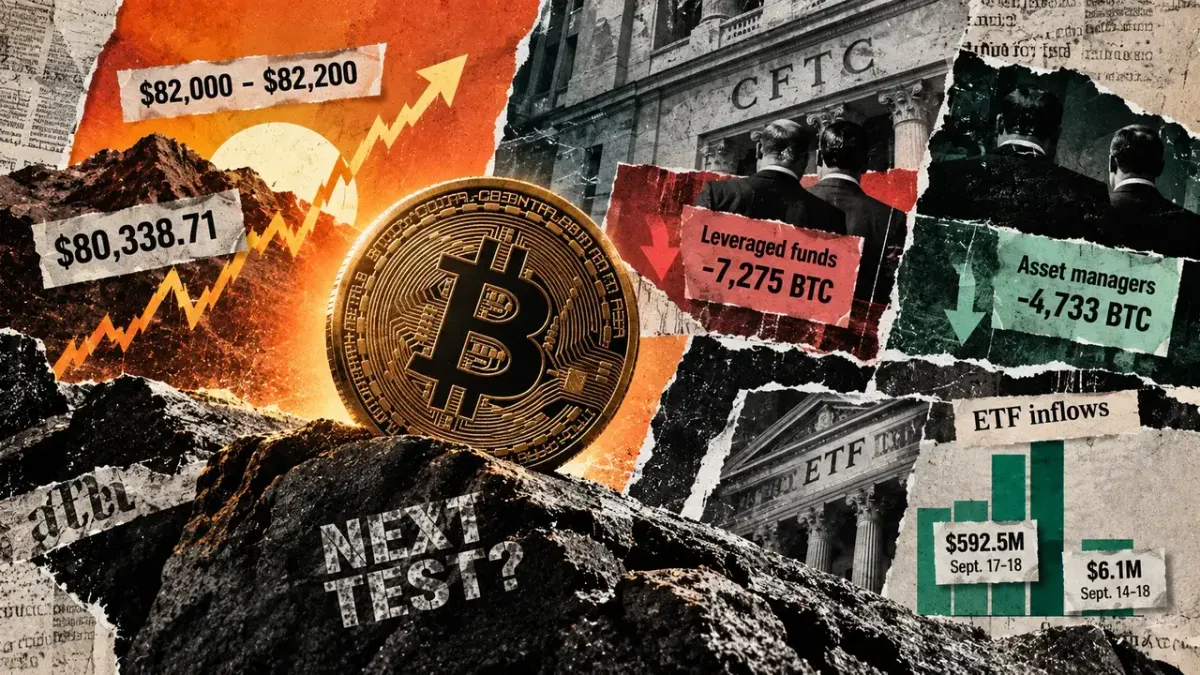
Why tokenization is an ETF-style market structure revolution
In recent discussions surrounding the future of financial markets, the concept of tokenization has emerged as a pivotal topic, drawing parallels to the early days of exchange-traded funds (ETFs). According to industry expert Lie, the current dialogue around tokenization mirrors the initial conversations and hesitations that surrounded ETFs before they evolved into a robust market worth over $10 trillion. This comparison highlights the transformative potential of tokenization, suggesting that it could similarly revolutionize how assets are traded and owned in a digital-first financial landscape.
To understand the significance of this comparison, it is essential to recognize the historical context in which ETFs were introduced. Initially considered niche products, ETFs faced skepticism from traditional investors and financial institutions. However, as more individuals began to recognize their benefits–such as liquidity, transparency, and diversification–the market for ETFs exploded. Today, they are a staple in investment portfolios across the globe. Tokenization stands at a similar crossroads; its early adopters are beginning to explore the myriad ways it can streamline asset management, enhance liquidity, and democratize access to investment opportunities.
The implications of this potential shift are far-reaching for the broader market. If tokenization follows a trajectory akin to that of ETFs, we may witness increased participation from retail investors, a surge in liquidity across various asset classes, and a fundamental transformation in how we conceptualize ownership of assets. This could lead to more efficient price discovery and lower costs for investors, as tokenized assets can be traded 24/7 on decentralized platforms, contrasting sharply with traditional market hours. As the market begins to embrace these innovations, we might see a reconfiguration of traditional financial products and services.
Industry reactions to the tokenization trend have been largely optimistic, with many experts praising its potential to reshape the financial landscape. Some financial institutions are already exploring the integration of tokenized assets into their offerings, while blockchain advocates argue that tokenization can bring greater transparency and security to asset ownership. However, there are also cautionary voices urging regulators to tread carefully, emphasizing the need for clear guidelines to prevent market manipulation and protect investors. As the dialogue continues to evolve, the consensus seems to be that tokenization could indeed serve as a catalyst for significant market changes.
Looking ahead, the future of tokenization remains uncertain yet promising. As technology advances and regulatory frameworks begin to adapt, the path for tokenized assets may become clearer. We anticipate that ongoing discussions and pilot projects will shape the landscape, leading to increased clarity and acceptance among investors and institutions alike. The coming years could very well be pivotal in determining whether tokenization will achieve the same transformative success that ETFs have enjoyed over the past few decades.

CoinMagnetic Team
Crypto investors since 2017. We trade with our own money and test every exchange ourselves.
Updated: June 2026
From our insights:
Related news
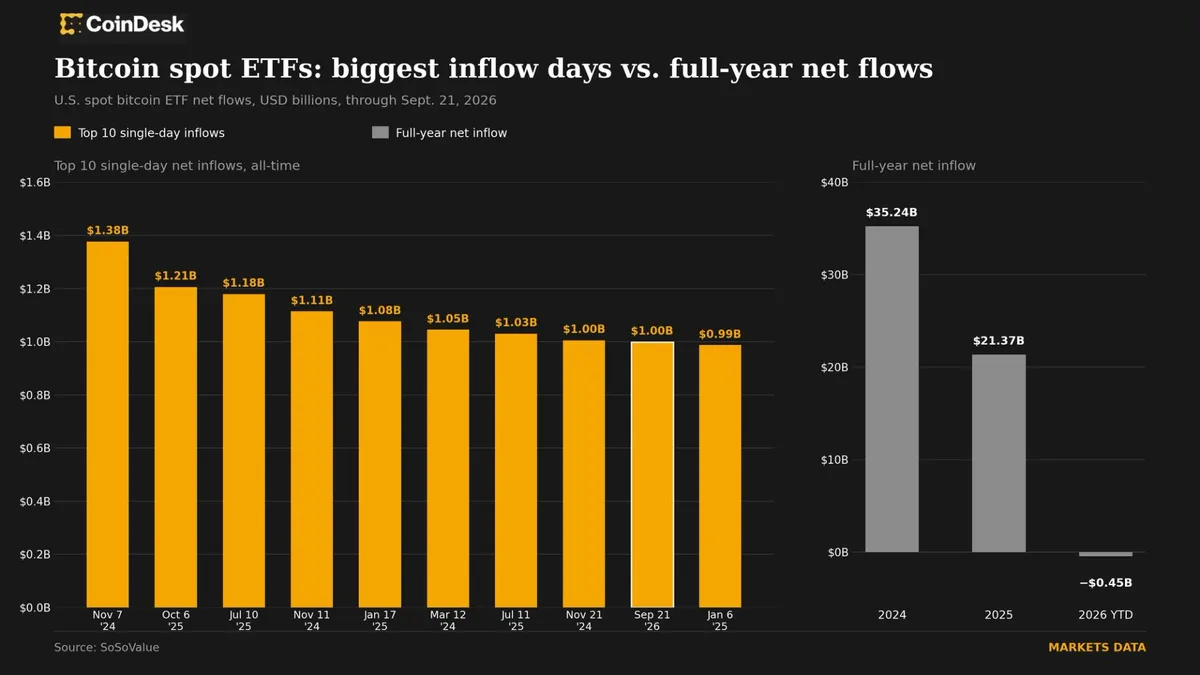
Spot bitcoin ETFs see nearly $1 billion inflow as bitcoin hits January highs
US spot Bitcoin ETFs see nearly $1 billion inflow, highest since October 2025
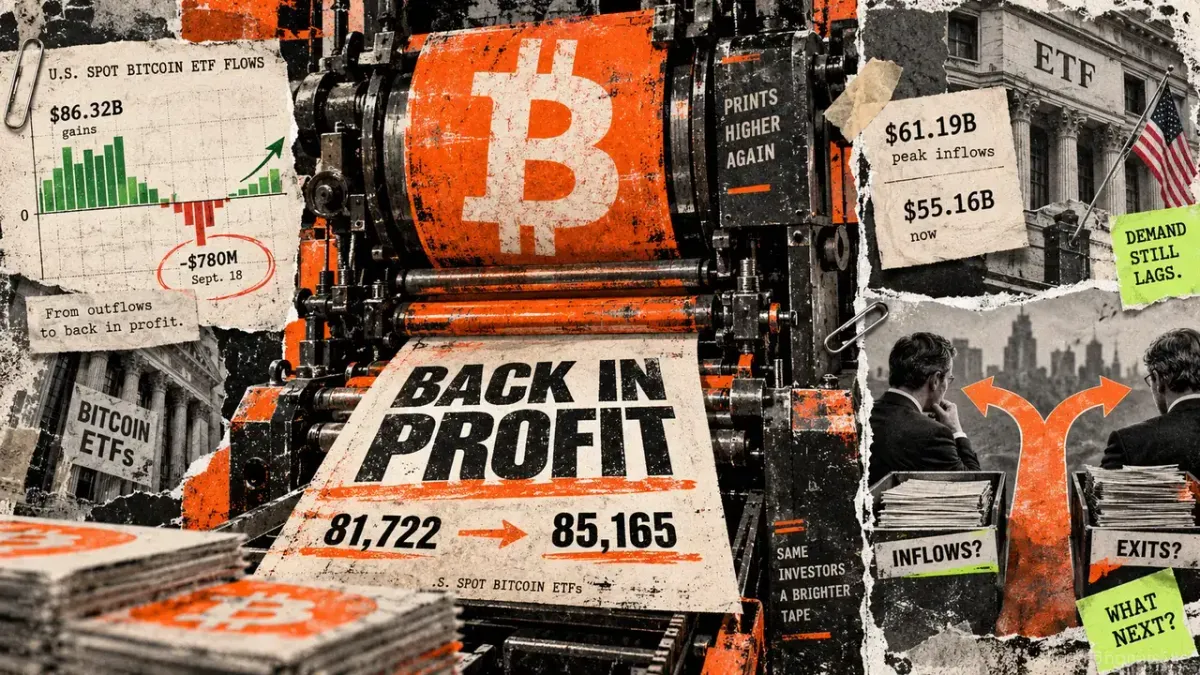
Bitcoin's rise to $86,000 restores profitability for ETF investors
Apple and Google seek crypto experts, signaling potential stablecoin initiatives

ECB initiates bond purchases using its own funds in crypto-linked system