Senate's rejection of Clarity Act favors banks and offshore centers like Dubai
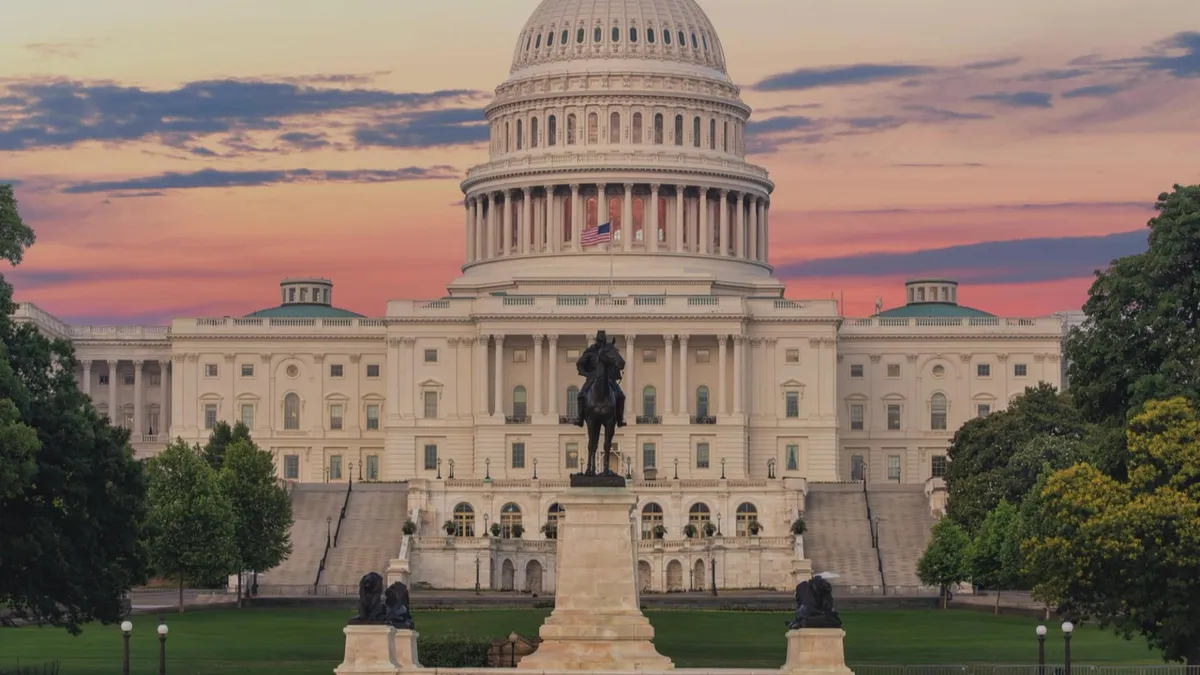
The recent decision by the Senate to kill the Clarity Act has stirred discussions around the implications for various financial sectors. One expert asserts that this legislative setback primarily benefits traditional banks, which have been vocal opponents of stablecoin yields. The Clarity Act aimed to provide a clearer regulatory framework for stablecoins, but its failure may allow banks to maintain their competitive edge against emerging digital financial products.
To provide some context, the Clarity Act was proposed to establish a comprehensive set of regulations governing stablecoins, which are digital currencies pegged to traditional currencies. Supporters believed that clearer guidelines would encourage innovation and foster a safer environment for consumers. However, the act faced significant opposition from banking institutions, which feared that stablecoin yields could undermine their business models and reduce their market share.
The implications of this decision are profound for the cryptocurrency market. By not passing the Clarity Act, the Senate has inadvertently paved the way for banks to continue safeguarding their interests against the rise of stablecoins. This could slow down the adoption of stablecoins in the U.S. and maintain the status quo for traditional financial players. The absence of clear regulatory guidance may also deter new entrants in the crypto space, further entrenching existing market dynamics.
Industry reactions have varied, with some experts expressing concern over the regulatory uncertainty that this decision creates. A global crypto lawyer remarked that overseas jurisdictions, particularly those like Dubai, are likely to benefit from the U.S.'s regulatory stagnation. As American companies grapple with unclear rules, international hubs may attract businesses seeking more favorable conditions for stablecoin operations and other crypto-related activities.
Looking ahead, the fallout from the Senate's decision may prompt renewed discussions around stablecoin regulations. As banks continue to resist stablecoin yields, lawmakers may need to reconsider their stance and potentially reintroduce similar legislation in the future. The ongoing evolution of the cryptocurrency landscape means that this issue is far from settled, and the balance of power between banks and digital finance will remain a critical area to watch.

CoinMagnetic Team
Crypto investors since 2017. We trade with our own money and test every exchange ourselves.
Updated: September 2026
From our insights:
Related news

Crypto's Fairshake repeats history with $30 million to oppose Sherrod Brown Senate bid

Strive increases bitcoin holdings by 1,355 as year-end treasury goal approaches

Coinbase expands IPO access to US customers with Oura allocation

SEC's Hester Peirce argues decentralized DeFi shouldn't require legal exemptions
Bessent emphasizes dollar strength amid concerns over U.S. economy