Why anti-CBDC Trump refuses to sign bill banning a digital dollar through 2030
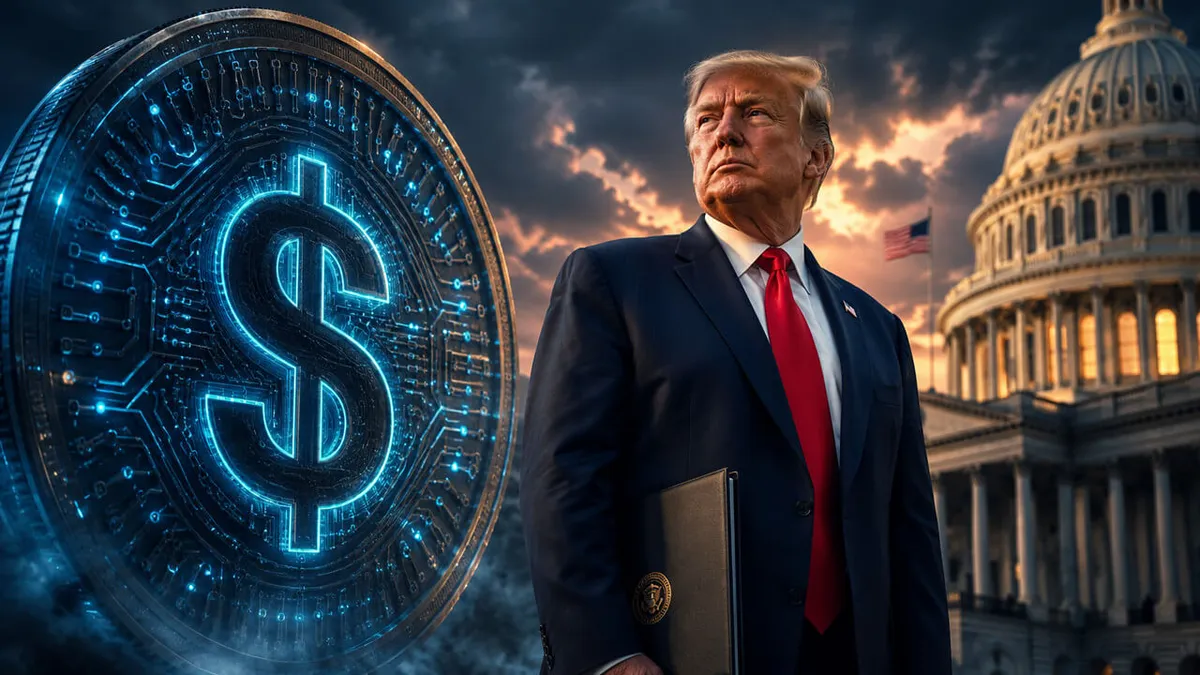
President Donald Trump recently made headlines by canceling a planned signing ceremony for a housing bill that aimed to impose a temporary ban on a central bank digital currency (CBDC) in the United States until 2030. This decision has raised eyebrows, especially given Trump’s vocal opposition to the idea of a digital dollar. By choosing not to endorse the bill, Trump is placing himself in a complex position regarding monetary policy and the future of digital currencies in America.
To understand the implications of this decision, it’s essential to consider the context surrounding CBDCs in the U.S. The Federal Reserve has been exploring the potential for a digital dollar for some time, citing benefits such as increased efficiency in payments and enhanced financial inclusion. However, Trump has consistently positioned himself against CBDCs, arguing that they could lead to increased government surveillance and control over personal finances. His refusal to sign the bill is particularly noteworthy as it clashes with the growing bipartisan support for limiting the development of a digital dollar in its current form.
The market reaction to Trump's decision is likely to be multifaceted. On one hand, it underscores the ongoing skepticism surrounding CBDCs, which may resonate with crypto enthusiasts who favor decentralized systems and oppose centralized monetary control. Conversely, Trump's refusal to ban a digital dollar could lead to uncertainty, as it suggests that the conversation around CBDCs is far from settled. Investors and market participants may interpret this as a sign that regulatory frameworks regarding digital currencies are still in flux, potentially impacting price volatility in the crypto space.
Industry experts have weighed in on the implications of Trump's decision. Some view it as a signal that the debate over CBDCs is evolving, with various stakeholders–including lawmakers, financial institutions, and the public–engaged in a complex dialogue about the future of money. Others are concerned that without a clear policy direction, the U.S. could fall behind other nations that are actively developing their own digital currencies. This uncertainty could lead to increased calls for clarity and leadership from both the government and the Federal Reserve.
Looking ahead, it will be interesting to see how Trump's stance influences future legislation and the broader discourse around digital currencies. With the 2024 election on the horizon, the topic of CBDCs may become a prominent issue, as candidates from both parties weigh in on the implications for privacy, economic stability, and innovation. As discussions continue, we will monitor how these developments shape the future of digital currencies in the U.S. and the global market at large.

CoinMagnetic Team
Crypto investors since 2017. We trade with our own money and test every exchange ourselves.
Updated: June 2026
From our insights:
Related news

Canada's six largest banks collaborate on digital-dollar transfer system
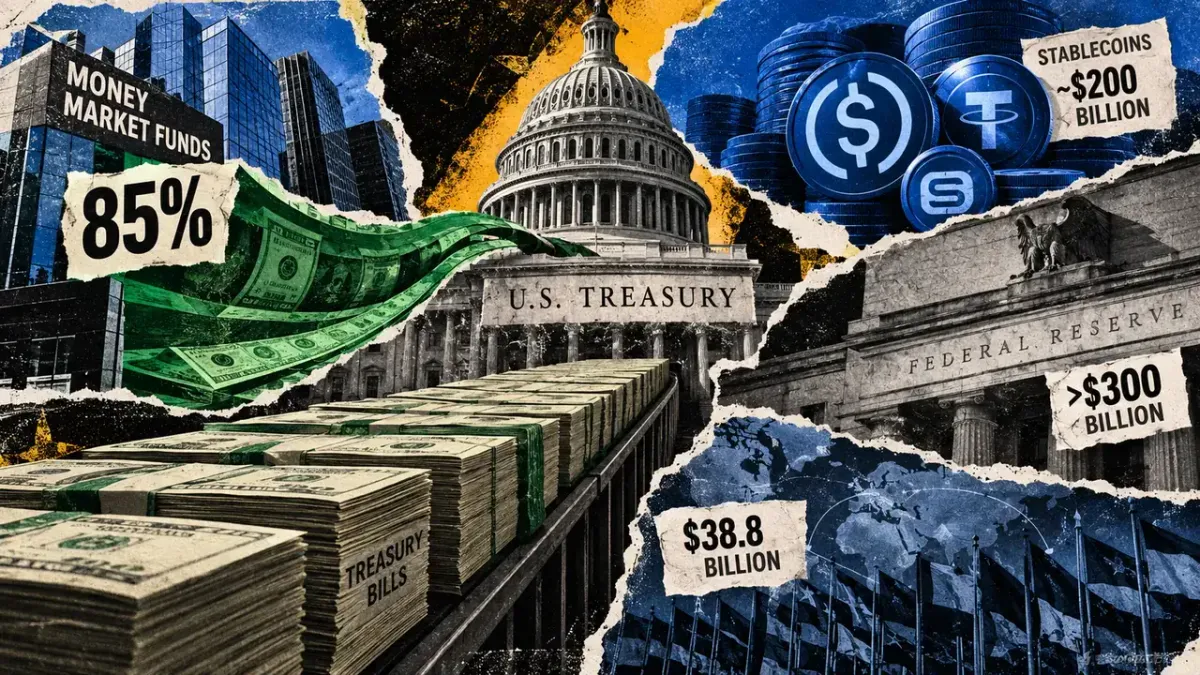
Stablecoins hold nearly $200 billion in US debt, but money funds bought the surge

Visa study shows stablecoin usage among Americans could rise to 56% with bank protections
FBI gathers experts annually to tackle crypto crime at Virtual Asset Technical Exchange

Tron processes up to $190 billion in weekly stablecoin transfers, analysis reveals