Who gets a direct line to the Fed? Congress weighs risks of Fed ‘skinny accounts’ for crypto and fintech firms
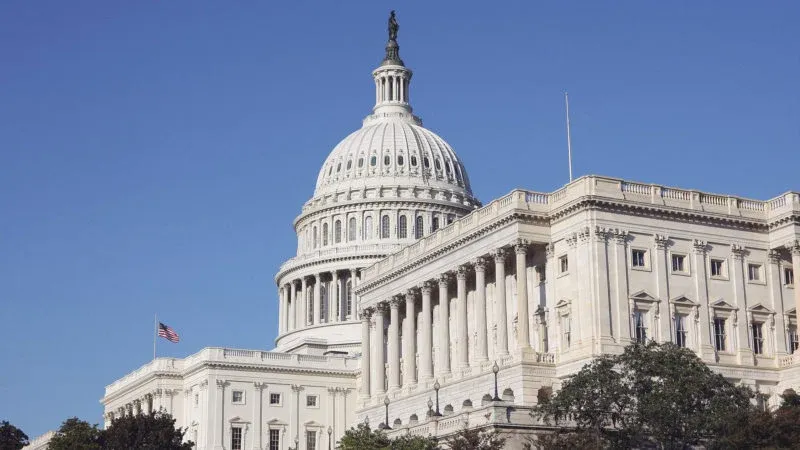
Recently, discussions have intensified in Congress regarding the Federal Reserve's potential move to grant certain crypto and fintech firms access to "skinny" accounts. These accounts would enable firms to hold reserves directly with the central bank, a significant shift in the landscape of financial services. Lawmakers engaged in a spirited debate about the implications of this access, weighing the benefits of increased efficiency and security against the risks of instability and potential misuse of these accounts. The outcome of these discussions could redefine the relationship between traditional banking systems and emerging financial technologies.
Historically, the Federal Reserve has maintained a cautious stance towards non-bank entities, particularly in the realm of cryptocurrency and fintech. The concept of "skinny" accounts, which would allow these firms to hold central bank reserves without the full suite of services available to traditional banks, has emerged as a topic of interest amid the rapid growth of digital assets. Proponents argue that providing access to these accounts could foster innovation and competition in the financial sector, while critics warn that it could lead to systemic risks if these firms face financial distress or operate without sufficient regulatory oversight.
The implications of granting access to these accounts extend beyond individual firms; they could significantly impact the broader market. If fintech and crypto companies gain direct access to the Fed, it may lead to increased liquidity and stability within the digital asset ecosystem. However, it could also raise concerns about the regulatory framework governing these firms, as the potential for bank-like privileges might attract less-regulated entities into the fold, creating a complex web of accountability that the Fed may not be prepared to manage.
Industry reactions to the potential for "skinny" accounts have been mixed. Some industry leaders hail the discussions as a progressive step towards the integration of cryptocurrency within the mainstream financial system, while others voice concerns about the regulatory implications and the precedent it could set for future access to central bank facilities. Experts emphasize the need for a balanced approach that encourages innovation while ensuring robust safeguards are in place to manage risk effectively.
Looking ahead, the outcome of Congress's deliberations will be closely watched by both the crypto and traditional finance sectors. As discussions continue, the Fed will likely face increasing pressure to clarify its stance on the matter. The decision will not only influence the immediate landscape for fintech and crypto firms but may also shape the future relationship between these entities and the traditional banking system. Ultimately, the path forward will require careful consideration of the benefits and risks associated with granting access to central bank accounts for non-bank financial institutions.

CoinMagnetic Team
Crypto investors since 2017. We trade with our own money and test every exchange ourselves.
Updated: June 2026
From our insights:
Related news

CFTC chair advocates for tokenization amid SEC's onchain stock developments

Raiffeisen to offer crypto trading across 11 European markets via Bitpanda

XRP Ledger set for Oct. 5 upgrade allowing banks to share payment roles

Trump's AI czar position may go to US Treasury secretary, reports say

Solana's Alpenglow upgrade aims to reduce finality from 12.8 seconds to 150 milliseconds