Wall Street Is Coming for Hyperliquid's Perps Crown, Arthur Hayes Says

Arthur Hayes has recently voiced his concerns regarding Hyperliquid's unique approach to perpetual contracts and its implications for market competition. According to Hayes, the core value proposition of Hyperliquid–using trading fees to burn tokens–could potentially undermine its position in the market. He suggests that as Wall Street firms increasingly enter the decentralized finance (DeFi) space, they may not only replicate Hyperliquid's model but also enhance it, thereby placing pressure on the protocol to maintain its market share. Hayes emphasizes that the influx of institutional players could lead to a more aggressive and competitive trading environment, one that Hyperliquid may struggle to navigate.
To understand the ramifications of Hayes' comments, it’s essential to consider the broader context of the DeFi landscape. Hyperliquid, which has carved out a niche by integrating a unique token-burning mechanism, has gained traction among retail traders looking for innovative trading experiences. However, as traditional financial institutions leverage their capital and technological resources to develop competing platforms, the competitive landscape is shifting rapidly. This evolution could pose significant challenges for protocols that rely heavily on user engagement and trading volume to sustain their tokenomics.
The implications of this competition are crucial for market participants. If established firms manage to capture a significant portion of the trading volume, Hyperliquid could face a decline in its user base, leading to reduced trading fees and, consequently, fewer tokens burned. This scenario raises questions about the long-term viability of Hyperliquid's economic model and whether it can adapt to the pressures exerted by larger players with deeper pockets. For investors and traders, this situation underscores the need for vigilance and adaptability within the rapidly changing DeFi ecosystem.
Industry experts have weighed in on Hayes' remarks, with many acknowledging the validity of his concerns. Some analysts argue that while Hyperliquid's current model has its merits, it may require modifications to withstand the competitive onslaught from Wall Street. Others point to the importance of innovation and user experience in retaining market share. As institutional players are known for their ability to execute more sophisticated trading strategies, Hyperliquid and similar platforms may need to enhance their offerings to avoid losing ground.
Looking ahead, the future of Hyperliquid will likely depend on its ability to innovate and respond to the changing dynamics of the market. As competition intensifies, it will be crucial for the protocol to explore new avenues for growth, whether through technological enhancements, partnerships, or strategic pivots. The team at Hyperliquid must remain agile and proactive, ensuring that they not only retain their existing user base but also attract new traders drawn to the evolving offerings of both DeFi and traditional finance.

CoinMagnetic Team
Crypto investors since 2017. We trade with our own money and test every exchange ourselves.
Updated: June 2026
From our insights:
Related news
ZetaChain votes to shut down Layer 1 network and move ZETA to Solana

Solana reduces block times by 17% with latest upgrade, boosting transaction freshness

Optimism secures upgrade for Superchain to enable interoperability

Solana boosts transaction size by 3x amid surge in network activity
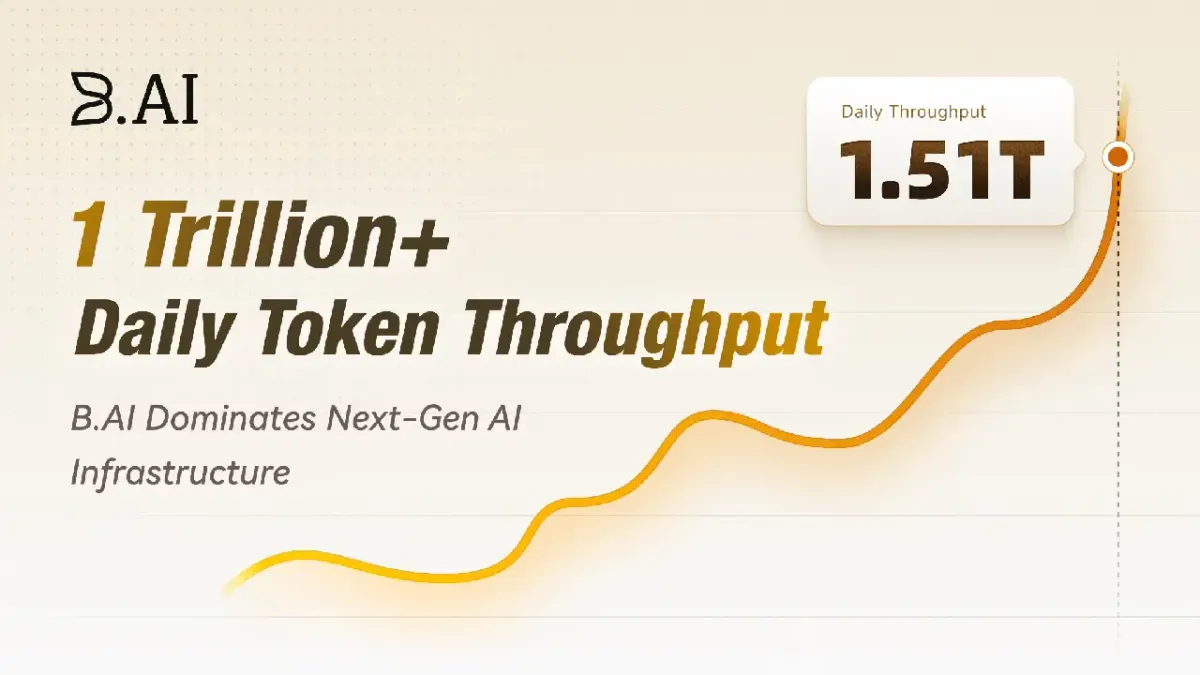
B.AI achieves record 1.51 trillion tokens daily throughput for AI infrastructure