Wall Street is buying DeFi tokens again, even as everyone worries the code is unsafe

Recent developments in the decentralized finance (DeFi) sector reveal a renewed interest from Wall Street investors despite ongoing concerns about security vulnerabilities within the space. In April alone, the total value locked (TVL) in DeFi decreased from $172 billion to $148 billion, a drop that coincided with exploit losses totaling $635 million. Notably, Coinbase Ventures made headlines by purchasing Ethena's ENA token on the open market, while Janus Henderson also took a strategic position in ENA. Additionally, Morpho successfully closed a $175 million funding round, which was entirely focused on enhancing its operations in the DeFi ecosystem.
To understand this shift, it is essential to consider the broader context of the DeFi market. Over the past few years, DeFi has gained traction as an alternative to traditional financial systems, offering services such as lending, borrowing, and trading without intermediaries. However, the sector has been marred by security incidents that have raised alarms among investors and users alike. These incidents underscore the inherent risks associated with DeFi protocols, which are often built on complex code that can be susceptible to exploits. Despite these challenges, the potential for high returns continues to attract institutional interest.
This renewed investment from Wall Street could be indicative of a belief that the DeFi market is poised for recovery and growth. As large players like Coinbase Ventures and Janus Henderson dive into DeFi tokens, it may signal a shift in sentiment, suggesting that institutional investors are willing to overlook recent exploit losses in favor of long-term potential. Such moves could also instill confidence among retail investors, potentially leading to increased participation and further capital inflow into the sector.
Industry reactions to these developments have been mixed, with some experts expressing optimism about the influx of institutional money, while others remain cautious. Many industry insiders emphasize the need for improved security measures to protect against future exploits, arguing that without a robust framework for ensuring protocol safety, the market's growth could be stunted. Others believe that the recent investments will catalyze innovation and development in DeFi, ultimately leading to better security practices and more resilient protocols.
Looking ahead, the future of the DeFi market will likely hinge on its ability to adapt and address the ongoing security concerns that threaten its reputation. As institutional players continue to invest, the pressure will be on developers and platforms to prioritize security and transparency. If the industry can effectively navigate these challenges, it may not only recover from recent setbacks but also solidify its place as a cornerstone of the evolving financial landscape.

CoinMagnetic Team
Crypto investors since 2017. We trade with our own money and test every exchange ourselves.
Updated: June 2026
From our insights:
Related news
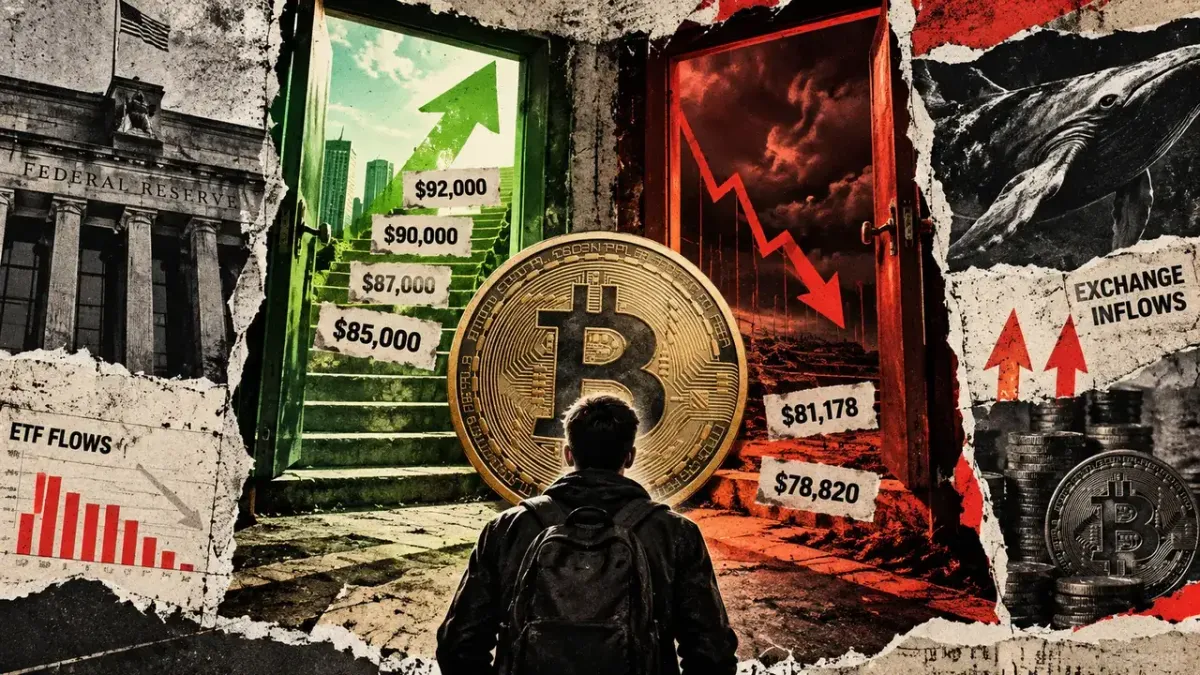
Bitcoin's weekly close above $81,000 signals potential rise to $90,000

Elon Musk's X integrates bitcoin trading options for U.S. users
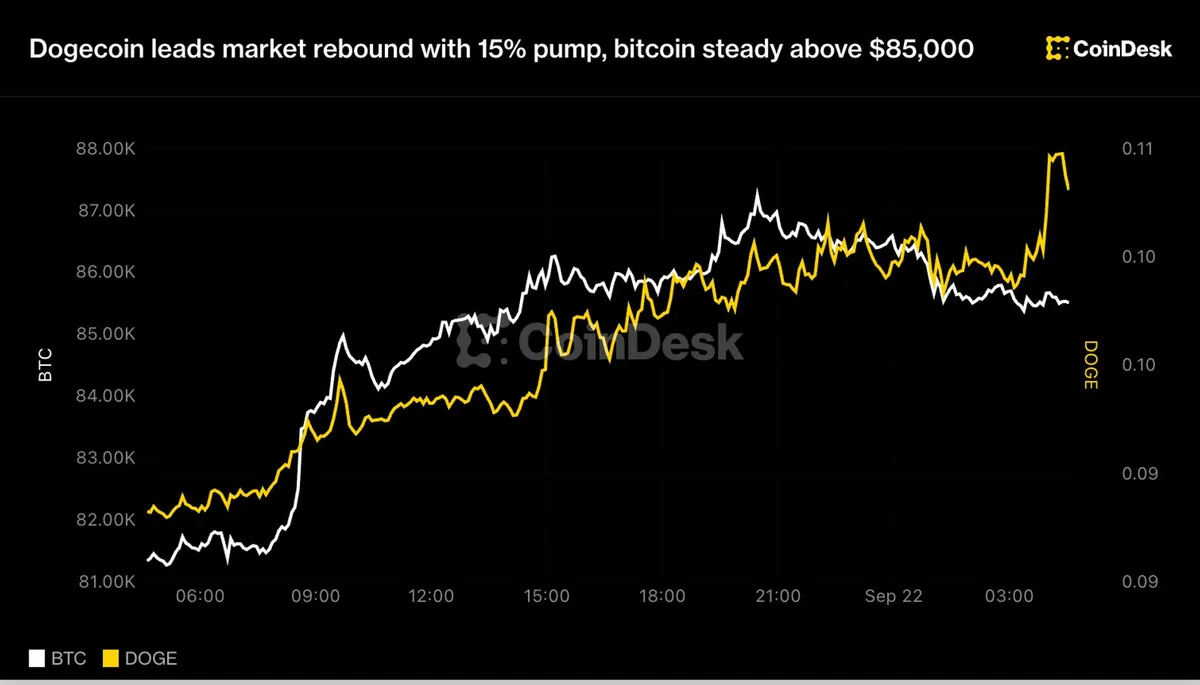
Dogecoin's 15% surge drives market recovery as bitcoin stabilizes above $85,000

Cardano adds tools for AI agent payments, joining Solana and XRP Ledger

Trueo prediction market moves from Base to Ethereum