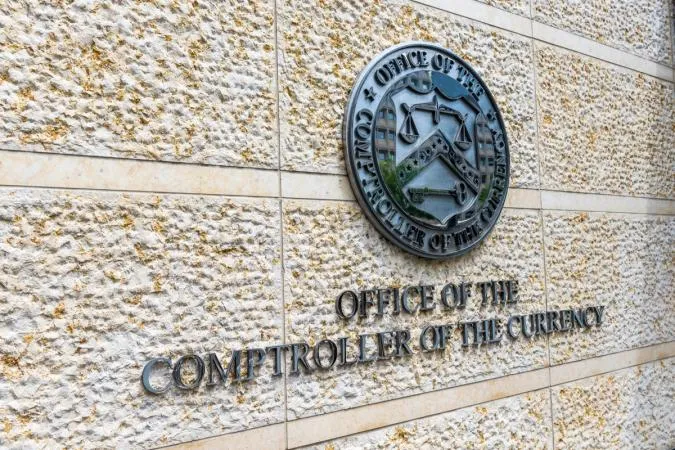
OCC stablecoin rules set for January as community banks eye issuance

The United States Office of the Comptroller of the Currency has formally invited community banks to explore becoming payment stablecoin issuers. This development comes directly on the heels of the banking regulator finalizing its comprehensive framework for the GENIUS Act. With the new stablecoin legislation officially slated for implementation in January, traditional financial institutions are being encouraged to integrate digital asset issuance into their core service offerings.
This regulatory push represents a significant pivot in how federal agencies view digital assets within the traditional banking sector. Historically, stablecoin issuance has been dominated by non-bank fintech firms and specialized crypto entities operating under various state charters. By opening the door for smaller, community-focused financial institutions, the regulatory landscape is shifting toward a more inclusive framework that bridges traditional banking with blockchain-based payment rails.
For the broader market, this move could accelerate the mainstream adoption of dollar-pegged tokens by leveraging the established trust and compliance structures of community banks. As these smaller institutions gain regulatory clarity through the finalized GENIUS Act rules, we could see a diversification of stablecoin issuers in the United States. This decentralization of issuance away from a few dominant players may enhance overall market stability and reduce systemic risks associated with single-entity dominance.
Industry observers have responded with a mix of cautious optimism and operational concern. While many welcome the integration of traditional banking safeguards into the digital asset economy, experts point out that community banks will face substantial compliance, cybersecurity, and liquidity management challenges. Establishing the necessary technological infrastructure to safely issue and redeem payment stablecoins requires resources that smaller institutions may struggle to deploy independently.
Looking ahead to the January implementation of the GENIUS Act, all eyes will be on which community banks step forward to test the waters of stablecoin issuance. As the regulatory guidelines translate into practical applications, we expect to see specialized technology providers partnering with these banks to bridge the technical gap. The success of this initiative will likely set a global precedent for how local financial institutions adapt to the tokenized economy.

CoinMagnetic Team
Crypto investors since 2017. We trade with our own money and test every exchange ourselves.
Updated: October 2026
From our insights:
Related news

Canada’s Draft Stablecoin Rules Cap Redemption Fees at 1% and Ban Yield

Canada seeks public input on stablecoin rules following US GENIUS Act

Brazil prediction market ban left election odds in hands of uninformed traders

Electrum patches vulnerability that allowed servers to hijack bitcoin transfers

NBA aligns with CFTC on prediction markets as NFL leagues hold their ground