Smaller U.S. lenders face new federal licensing rules for stablecoin services
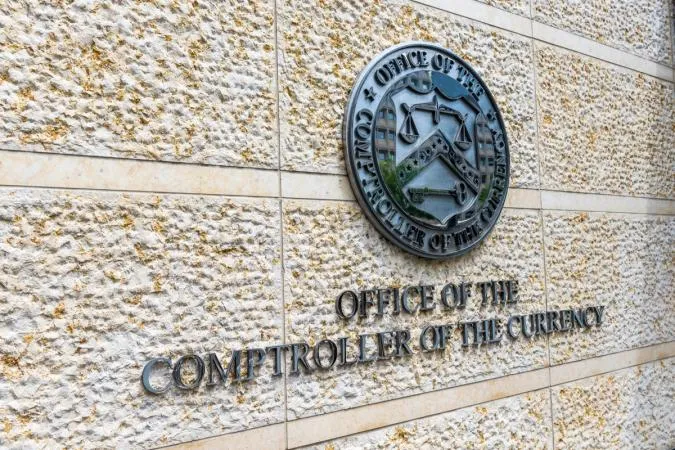
At CoinMagnetic, we have been closely following the latest regulatory shifts, and a recent development from the Office of the Comptroller of the Currency caught our attention. The U.S. banking regulator is actively encouraging community banks to explore and enter the stablecoin payments market. This push comes at a crucial time as new federal licensing requirements are on the horizon, signaling a shift in how traditional financial institutions might interact with digital assets.
To understand the weight of this announcement, we must look at the broader banking landscape. Historically, community banks have approached the cryptocurrency sector with extreme caution due to regulatory uncertainty and compliance costs. Meanwhile, large national banks and fintech giants have dominated the digital payment infrastructure. By inviting smaller lenders into the stablecoin space, the regulator is signaling a potential decentralization of digital finance within the traditional banking system.
This development matters significantly for the broader cryptocurrency market. Stablecoins serve as the vital liquidity bridge between fiat currency and decentralized finance, driving daily transaction volume across multiple blockchains. If community banks successfully integrate stablecoin payment rails, we could see a massive expansion in fiat-to-crypto onramps, bringing digital assets closer to mainstream adoption in regional markets across the United States.
Industry reactions to the regulator's stance have been mixed yet largely attentive. Banking associations are currently evaluating the operational and compliance hurdles that accompany the upcoming federal licensing framework. While some fintech advocates praise the move as a progressive step toward financial inclusion, traditional risk officers continue to voice concerns regarding liquidity management and anti-money laundering compliance for smaller institutions.
As we look ahead, the success of this initiative will depend heavily on the clarity of the forthcoming federal guidelines. Community banks will need to weigh the competitive advantages of offering stablecoin services against the substantial costs of regulatory compliance. We will continue monitoring how these licensing requirements take shape and whether regional lenders actually take the plunge into digital currencies.

CoinMagnetic Team
Crypto investors since 2017. We trade with our own money and test every exchange ourselves.
Updated: October 2026
From our insights:
Related news

Electrum patches vulnerability that allowed servers to hijack bitcoin transfers

NBA aligns with CFTC on prediction markets as NFL leagues hold their ground

Immunefi CEO warns PHP flaw sets up weeks of risk for smaller sites

Canada proposes 1:1 reserve mandate for stablecoins while keeping yield ban

Aviva Investors launches tokenized share class of $29B Sterling fund on XRP Ledger