US moves to break China’s grip on Bitcoin mining hardware with new Senate bill
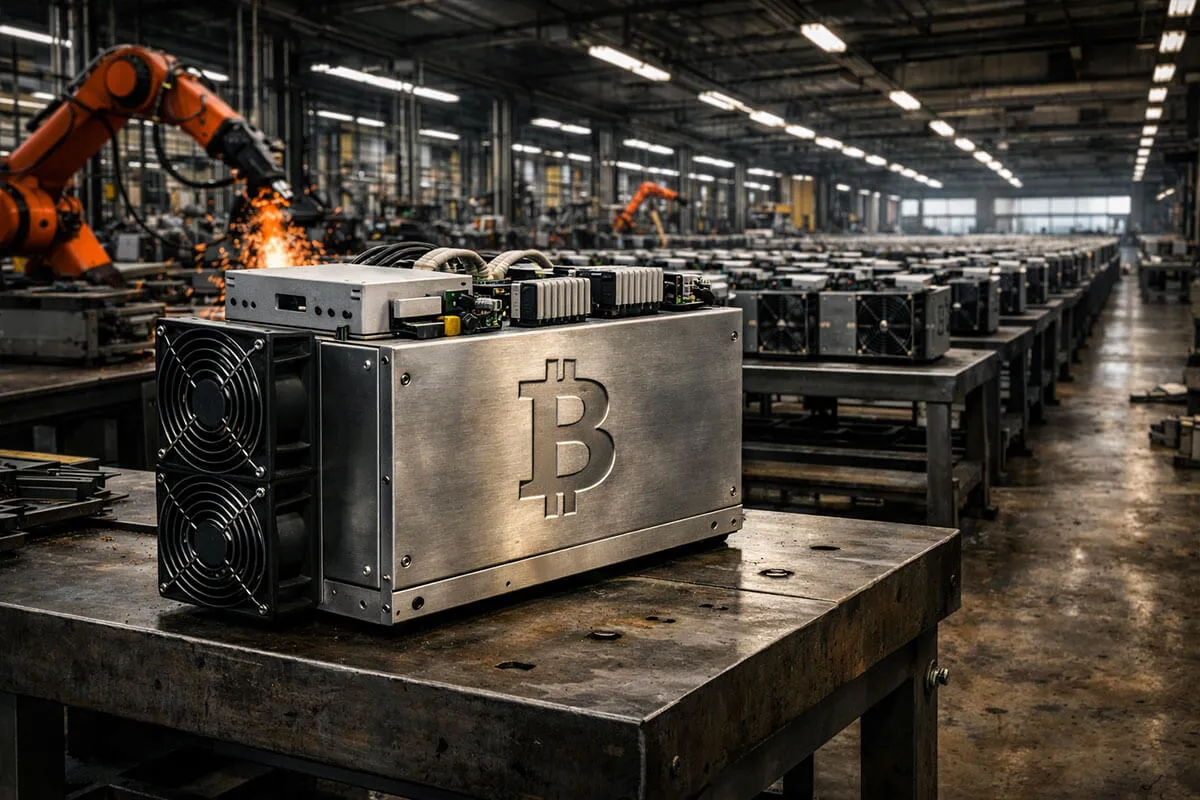
The United States government is taking significant steps to reduce its reliance on China for Bitcoin mining hardware through a new Senate bill. This legislation identifies the dependence on Chinese-manufactured mining equipment as a national supply chain risk, highlighting the need for the U.S. to bolster its own capabilities in this critical area of the cryptocurrency ecosystem. Currently, the U.S. commands about 38% of the global Bitcoin mining capacity, but the specialized machines that facilitate this process predominantly originate from China. By addressing this issue, the Senate bill aims to secure the U.S. position in the Bitcoin mining landscape while mitigating potential vulnerabilities associated with foreign supply chains.
This move is crucial for the market as it reflects a growing recognition of the geopolitical implications surrounding cryptocurrency infrastructure. With increasing regulatory scrutiny and competition in the global mining arena, reducing dependence on a single nation for hardware can enhance the resilience and independence of the American crypto ecosystem. Furthermore, fostering domestic manufacturing could lead to job creation and innovation within the sector, potentially positioning the U.S. as a leader in the development and deployment of mining technology.
Looking ahead, the passage of this bill could stimulate an influx of investment into domestic mining hardware manufacturers and related technologies. As the U.S. seeks to establish a more self-sufficient and secure supply chain, we may see new players entering the market, as well as partnerships between tech companies and mining operations. The outcome of this legislative effort could have lasting implications not just for the U.S. but for the global Bitcoin mining landscape as a whole, potentially reshaping the dynamics of power and influence within the industry.

CoinMagnetic Team
Crypto investors since 2017. We trade with our own money and test every exchange ourselves.
Updated: March 2026
From our insights:
Related news

Crypto firms put $206 million behind the midterms: here’s who their political machine is backing

Stand With Crypto’s 4 million registered advocates couldn’t get the CLARITY Act through the Senate

Kakao Pay, KakaoBank to explore stablecoin opportunities with Fireblocks

US Attorney's investigation into Binance focuses on Iran sanctions compliance

ECB initiates wholesale digital euro for banks and tokenized bond purchases