Stripe Millionaire Loses Bid for Congress to Candidate Backed by Ripple Co-Founder

In a surprising turn of events, Saikat Chakrabarti, a former engineer at Stripe and a prominent figure in the tech community, has lost his bid to succeed Nancy Pelosi in California's Congressional race. His defeat came at the hands of a candidate supported by Chris Larsen, the co-founder of the cryptocurrency platform Ripple. Chakrabarti, known for his progressive stances and innovative approach to technology, had aimed to bring a fresh perspective to Congress, but ultimately fell short in a highly competitive election.
The backdrop of this election is significant, as it marks a pivotal moment in California's political landscape. Nancy Pelosi, who has long held her seat as a powerful Democratic figure, announced her retirement, leaving an open field for candidates vying for her position. Chakrabarti's campaign was characterized by his focus on technology and economic reform, appealing to a demographic that increasingly values innovation in policy. On the other hand, the candidate backed by Larsen has a strong focus on cryptocurrency and blockchain technology, which resonates with a growing segment of the electorate that sees potential in these emerging sectors.
Chakrabarti's loss is particularly noteworthy within the context of the ongoing dialogue surrounding cryptocurrency regulation and innovation in the United States. With the increasing challenges facing the cryptocurrency market, including regulatory hurdles and market volatility, the support of a prominent figure like Chris Larsen suggests a strategic push towards integrating blockchain technology into mainstream political conversations. This election outcome may signal a shift in how tech entrepreneurs and cryptocurrency advocates engage with politics, potentially influencing future legislative priorities.
Industry reactions to this election result have been mixed. Many crypto advocates view the support of Larsen for the winning candidate as a positive sign for the future of blockchain technology in politics. Experts believe that having representatives who understand the intricacies of the tech landscape could lead to more favorable legislation for the industry. Conversely, some analysts express concern that the focus on cryptocurrency could overshadow other pressing political issues, potentially limiting broader policy discussions that affect the electorate.
Looking ahead, the implications of this election could extend far beyond California. As more tech-savvy candidates emerge in the political arena, we may witness a shift in priorities and policies that favor innovation and technology. The intersection of politics and cryptocurrency is becoming increasingly important, and as the market continues to evolve, the influence of key figures like Chris Larsen will likely play a critical role in shaping the future of the industry.

CoinMagnetic Team
Crypto investors since 2017. We trade with our own money and test every exchange ourselves.
Updated: June 2026
From our insights:
Related news

ECB and EU central banks propose liquidity thresholds for stablecoins
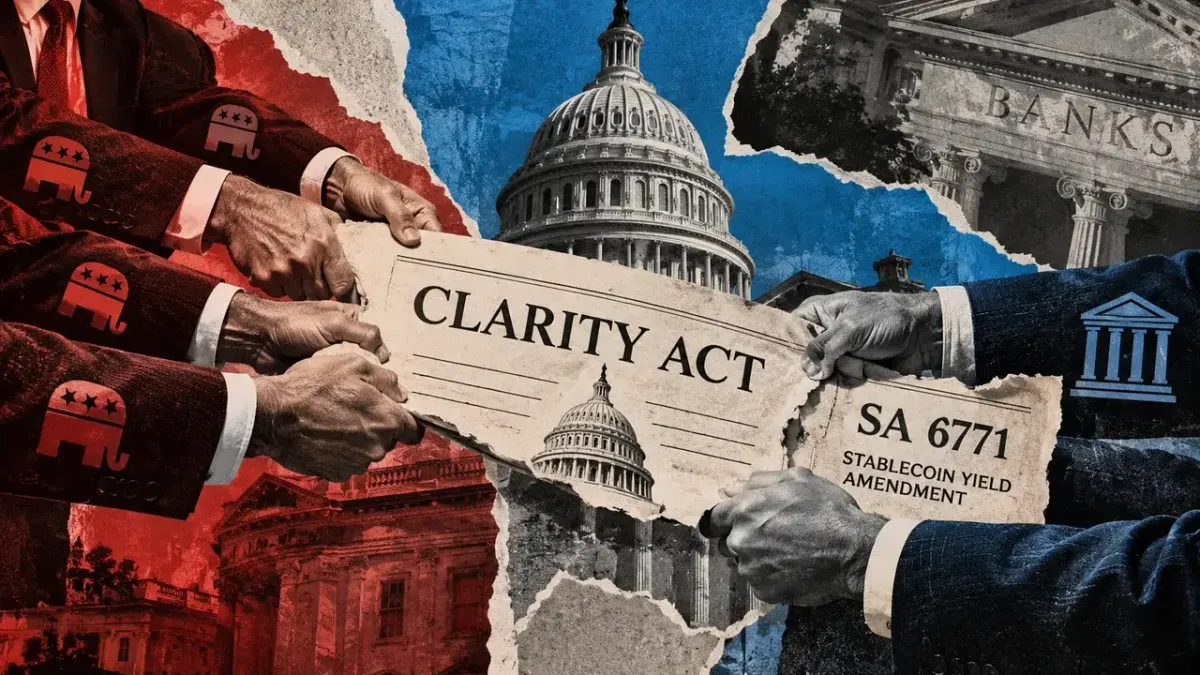
Four GOP senators backing CLARITY Act seek changes to stablecoin provisions

US investigates Binance for potential Iran-linked trading violations

Crypto sector emerges as top donor with $206 million in midterms backing
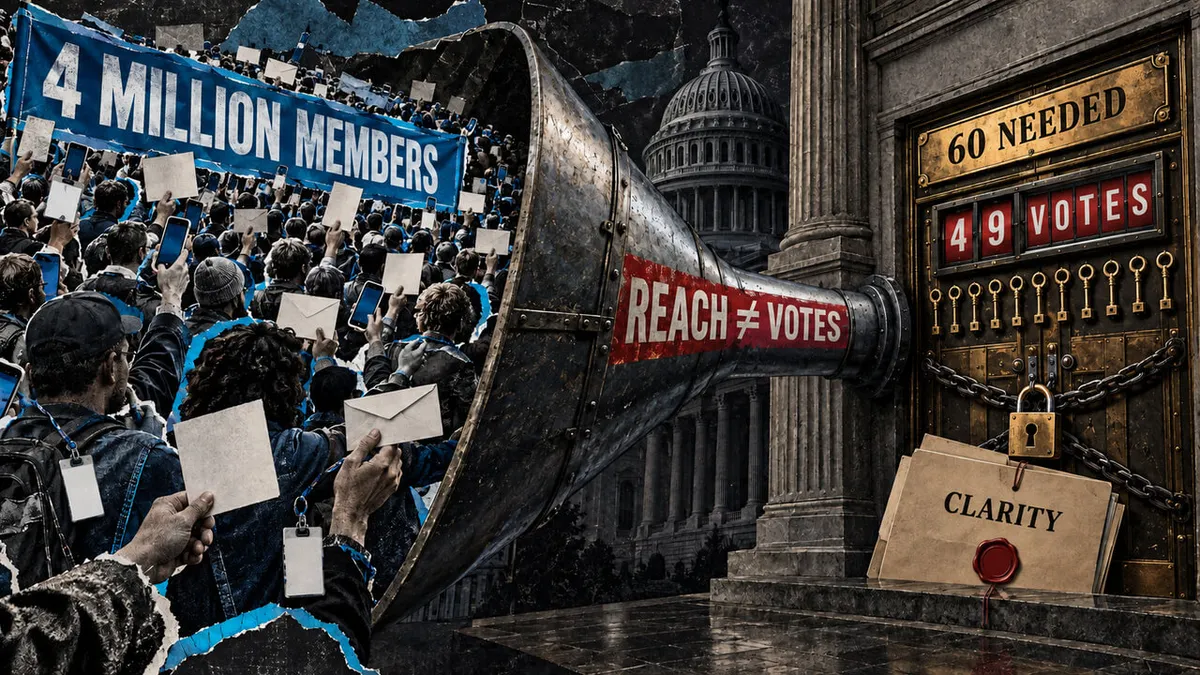
Stand With Crypto’s 4 million registered advocates couldn’t get the CLARITY Act through the Senate