US crackdown on $24 billion crypto black market disrupts money laundering operations
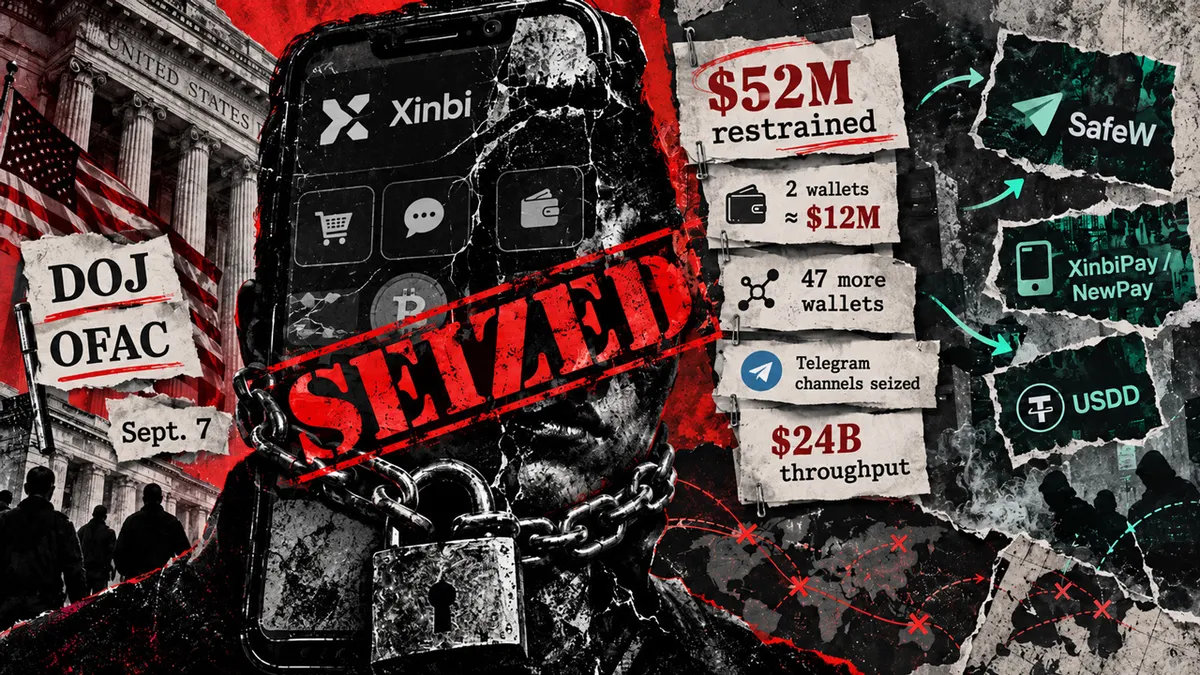
In a significant move against illegal crypto activities, the U.S. Department of Justice (DOJ) has seized multiple Telegram channels and two wallets associated with a black market valued at approximately $24 billion. This operation is part of a broader initiative to combat money laundering and illicit financial activities within the cryptocurrency space. Additionally, the Office of Foreign Assets Control (OFAC) has imposed sanctions on Xinbi, a platform involved in these activities, along with the developers behind SafeW and XinbiPay, further tightening the grip on these operations.
The crackdown comes amidst growing concerns over the rampant use of cryptocurrencies for money laundering and other illegal activities. The black market has evolved rapidly, with various platforms facilitating transactions that circumvent traditional banking systems. The actions taken by U.S. authorities signal a commitment to addressing these challenges and preventing the misuse of digital currencies, which have gained popularity due to their perceived anonymity and lack of regulation.
This development carries significant implications for the cryptocurrency market. By targeting such a substantial black market, the U.S. government aims to establish greater legitimacy within the crypto ecosystem, potentially increasing trust among regulatory bodies and traditional investors. The seizure and sanctions may lead to a ripple effect, prompting other jurisdictions to take similar actions against illicit crypto activities, thereby shaping the future of cryptocurrency regulation globally.
Industry experts have reacted with a mix of concern and support. Some believe that these actions could deter criminal enterprises from using cryptocurrencies, while others argue that it may drive such activities further underground or to less regulated jurisdictions. The consensus is that while the crackdown is a necessary step, it also highlights the ongoing challenges in regulating a decentralized financial system.
Looking ahead, it remains to be seen how these developments will affect the overall landscape of the cryptocurrency market. As authorities ramp up their efforts to combat illicit activities, businesses and developers in the crypto space may need to adapt to stricter regulations. This could lead to increased compliance costs and changes in operational strategies for companies looking to navigate the evolving regulatory environment.

CoinMagnetic Team
Crypto investors since 2017. We trade with our own money and test every exchange ourselves.
Updated: September 2026
From our insights:
Related news

CoinDCX lost $16 million in retired wallets despite CEO dismissing initial breach reports

Keystone hardware wallet users challenge data deletion claims following breach

EU targets 2027 for digital euro testing as ECB warns on monetary sovereignty

Latvia aims for 2027 commercial property tokenization rules under Valainis
Google Quietly Updates Privacy Policy to Let Gmail and Photos Data Feed Ads