BIS chief cautions AI investment may lead to systemic risks from opaque debt

Pablo Hernandez, the head of the Bank for International Settlements (BIS), recently raised alarms regarding the rapid capital expenditure (capex) in artificial intelligence (AI) technologies. He pointed out that this surge in spending is often driven more by hype than by tangible profits, likening the current situation to historical bubbles such as those seen in the railway and dot-com eras. Hernandez warned that this trend of opaque debt accumulation could pose significant systemic risks to the global economy, potentially leading to broad market corrections if the speculative investments do not yield expected returns.
The concept of a capex arms race in AI reflects a growing trend where companies and governments are racing to invest in AI technologies without fully understanding the long-term implications of their financial commitments. Historically, both the railway and dot-com bubbles were characterized by overzealous investments driven by speculative optimism rather than robust economic fundamentals. In both cases, when reality set in, it led to substantial corrections that affected economies worldwide. Hernandez’s comparison serves as a cautionary tale for current investors and policymakers.
This warning carries weight in the context of the current economic environment, where many sectors are still grappling with the aftermath of previous financial crises. As investments in AI reach unprecedented levels, there is a growing concern that a failure of these technologies to deliver on their promises could trigger a similar backlash as seen in previous bubbles. The potential systemic risks suggested by Hernandez could lead to increased volatility in financial markets, affecting not only the tech sector but also broader economic stability.
Industry experts have responded to Hernandez's remarks with a mixture of caution and skepticism. Some acknowledge the validity of his concerns, suggesting that a more measured approach to AI investment is warranted. Others, however, argue that the transformative potential of AI technologies justifies current levels of investment, believing that the long-term benefits will outweigh short-term risks. This division reflects the broader debate within the tech community about balancing innovation with financial prudence.
Looking ahead, the discourse around AI investment and its implications for the economy is likely to intensify. As companies continue to pour resources into AI development, stakeholders will need to carefully evaluate their strategies to avoid the pitfalls of past bubbles. Policymakers may also consider establishing frameworks to promote transparency in AI-related investments, thereby mitigating the risks associated with opaque debt and speculative spending.

CoinMagnetic Team
Crypto investors since 2017. We trade with our own money and test every exchange ourselves.
Updated: September 2026
From our insights:
Related news

Keystone hardware wallet users challenge data deletion claims following breach

EU targets 2027 for digital euro testing as ECB warns on monetary sovereignty

Latvia aims for 2027 commercial property tokenization rules under Valainis

Google Quietly Updates Privacy Policy to Let Gmail and Photos Data Feed Ads
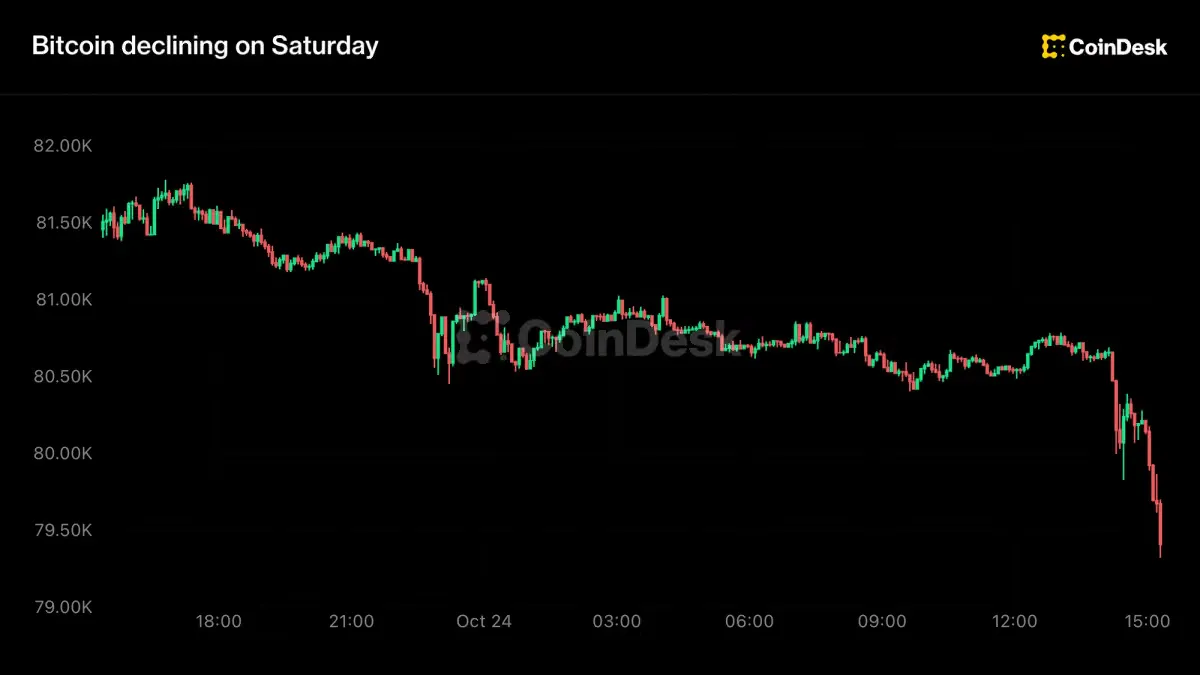
Bitcoin falls below $80,000 as U.S. evacuations heighten market pressure