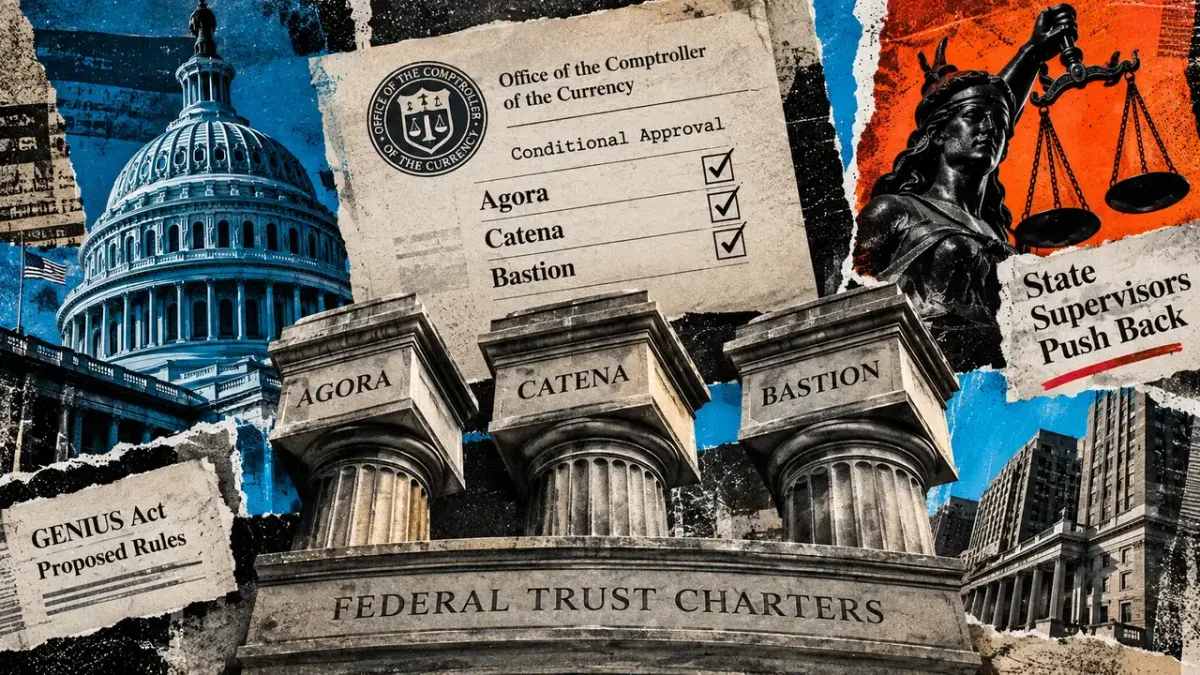
UK politician Nigel Farage bought $1.8M house after a $6.7M crypto gift

In a surprising turn of events, UK politician Nigel Farage reportedly purchased a $1.8 million house following a substantial crypto gift valued at $6.7 million. This gift, which has drawn much attention, raises eyebrows not only for its size but also for the source and implications of such a donation in the political landscape. Farage's acquisition has become a focal point of discussions around the intersection of cryptocurrency and political financing, spotlighting the ongoing debate about the ethics of crypto donations in politics.
The backdrop to this situation includes a growing concern among UK lawmakers and government officials regarding the influence of cryptocurrency in political financing. Recent discussions have revolved around the potential need to impose stricter regulations or even a temporary ban on crypto donations to political campaigns. This comes in light of the increasing amounts of money being funneled into politics via digital assets, a practice that many argue lacks transparency and could lead to corruption. Farage's case exemplifies the challenges faced by regulatory bodies as they grapple with defining and managing the role of cryptocurrencies in political donations.
The financial implications of Farage's crypto windfall are significant for the market, particularly in the UK. As more politicians and public figures engage with cryptocurrency, it raises questions about the legitimacy and governance of such donations. The crypto market is known for its volatility, and large transactions can have ripple effects, influencing market sentiment and potentially affecting the value of cryptocurrencies. Furthermore, the public's perception of crypto's role in politics could sway future investments and regulatory approaches, making this a pivotal moment for both the crypto community and political finance.
Industry experts have weighed in on the ramifications of Farage's situation. Some analysts argue that this incident could catalyze stricter regulations around crypto donations, while others believe it may inadvertently legitimize cryptocurrency in the eyes of traditional finance. The divergence in opinions highlights the complex relationship between innovation and regulation. Many in the crypto space are advocating for clearer guidelines that would enable political engagement without compromising transparency and accountability.
Looking ahead, the conversation surrounding crypto donations is likely to intensify, especially as more instances like Farage's come to light. Policymakers will need to balance the innovative potential of cryptocurrencies with the necessity of maintaining ethical standards in political contributions. As discussions unfold, it will be crucial for stakeholders across both the political and crypto landscapes to engage in dialogue that addresses concerns while fostering a regulatory environment that supports technological advancement.

CoinMagnetic Team
Crypto investors since 2017. We trade with our own money and test every exchange ourselves.
Updated: May 2026
From our insights:
Related news
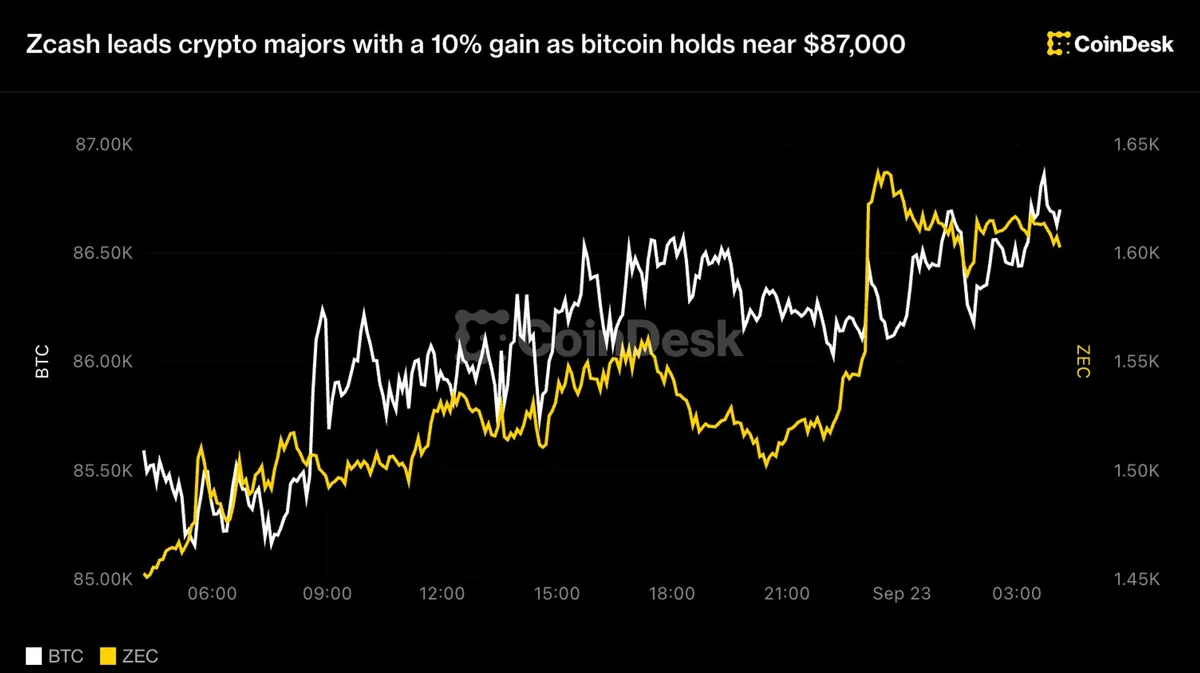
Zcash outperforms major cryptos with 10% gain as bitcoin nears $87,000
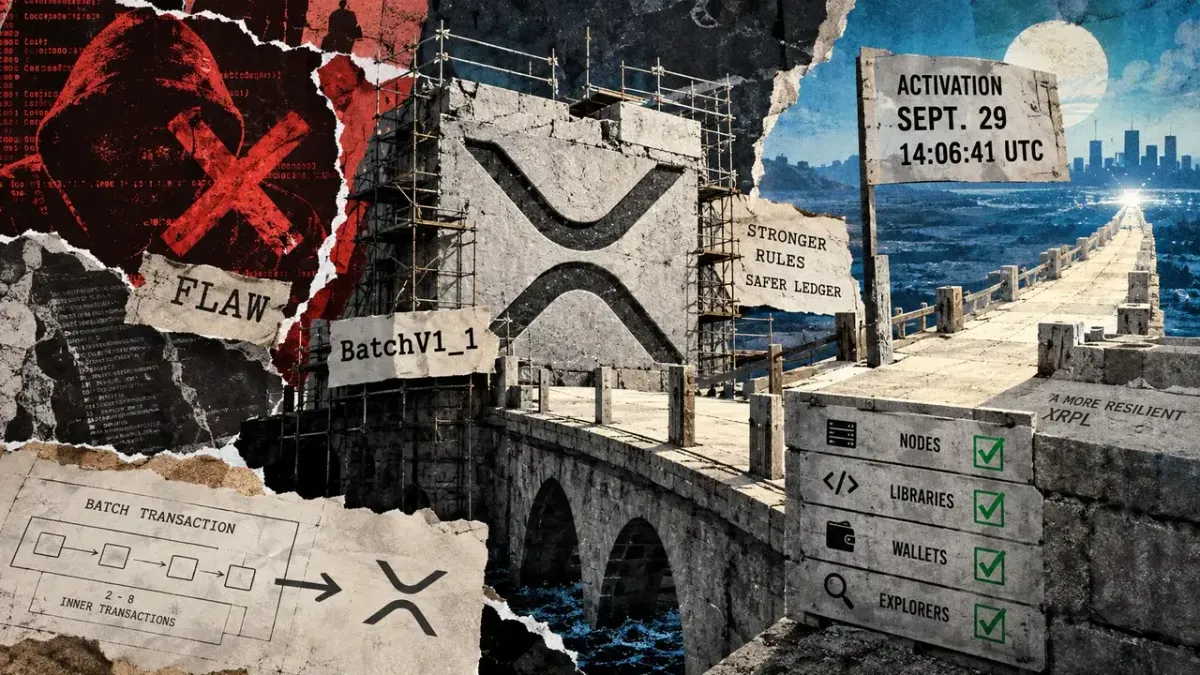
XRPL's amendment addresses signer gap but risks linger for client apps

Fomopeek app exploits iOS vulnerabilities to steal $580,000 in USDT

DeepSeek to address UN Security Council on AI risks alongside Dario Amodei
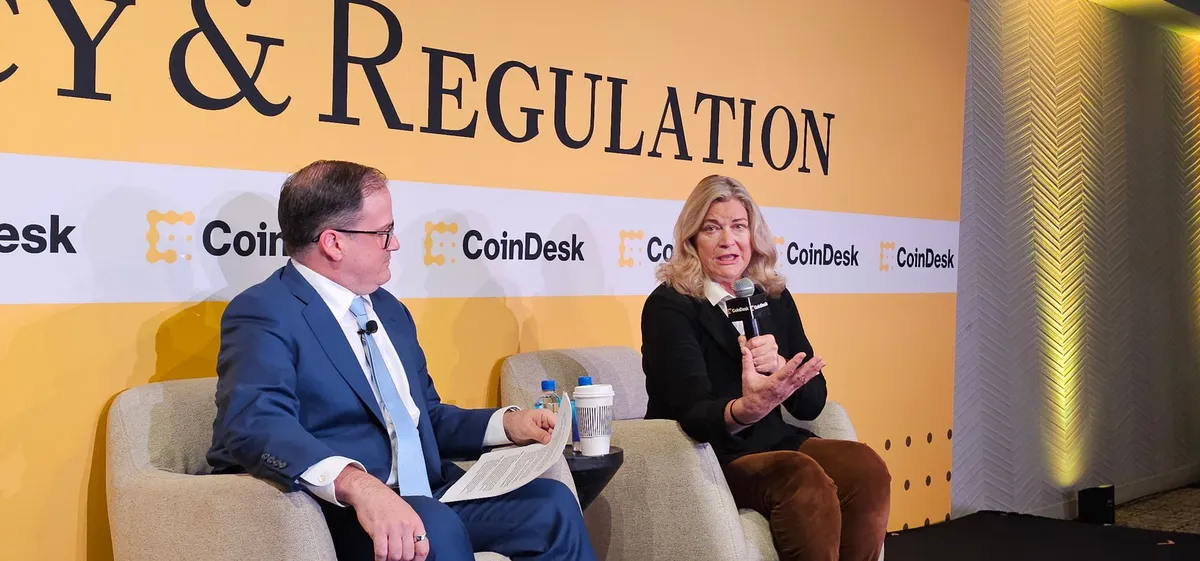
Lummis blames Democrats for failed crypto Clarity Act vote