UK digital bond plans hinge on one missing piece: onchain cash

The UK’s ambitions to launch a digital bond pilot, known as the digital gilt initiative, have hit a crucial juncture as experts emphasize the necessity of an onchain stablecoin for its success. The digital gilt is intended to modernize the issuance and trading of government bonds, potentially offering benefits like increased efficiency and reduced costs. However, the realization of these advantages is contingent on regulatory approval for a stablecoin that operates on blockchain technology. This stablecoin would serve as the medium for transactions within the digital gilt framework, enabling seamless and instant settlement processes that traditional systems struggle to achieve.
To better understand the significance of this development, it is essential to consider the broader context of digital assets in the financial landscape. The UK has been exploring the digitization of its financial infrastructure for some time, with the Bank of England and the government investigating various forms of central bank digital currencies (CBDCs) and stablecoins. The digital gilt pilot forms part of this broader push, aiming to leverage technology to enhance market liquidity and operational efficiency. However, the absence of a robust regulatory framework for onchain stablecoins has created uncertainty, which could hinder the pilot's potential impact.
The implications of successfully integrating an onchain stablecoin into the digital gilt initiative could be profound for the financial markets. It could unlock significant liquidity that is currently trapped in traditional systems, improving the overall functioning of the bond market. The introduction of a stablecoin could facilitate quicker settlements, reduce counterparty risk, and broaden access to government bonds for a wider range of investors. Consequently, this development may not only strengthen the UK’s financial ecosystem but could also serve as a model for other countries looking to innovate in their bond markets.
Reactions from industry experts highlight a mix of optimism and caution regarding the digital gilt initiative. Some analysts see the potential for the UK to position itself as a leader in the digital bond space, particularly if it can successfully navigate the regulatory landscape. Others, however, express concerns about the challenges of achieving regulatory approval for onchain stablecoins, especially in light of ongoing scrutiny over digital assets worldwide. The success of the digital gilt pilot is likely to depend on how regulators balance innovation with the need for market stability and consumer protection.
Looking ahead, the next steps for the digital gilt initiative will hinge on ongoing discussions between regulators, industry participants, and policymakers. The timeline for regulatory approval of an onchain stablecoin remains uncertain, and its absence could delay the pilot's launch. As the UK government and the Bank of England continue to evaluate the potential benefits and risks of digital assets, the outcome of these deliberations will be crucial in determining the future trajectory of the digital gilt initiative and its role in the evolution of the nation's financial markets.

CoinMagnetic Team
Crypto investors since 2017. We trade with our own money and test every exchange ourselves.
Updated: July 2026
From our insights:
Related news

HoneyB creator Nectar Group secures $5 million seed investment

Ethereum secures 43.8 million staked coins in third quarter despite yield drop

Brale-backed USTX stablecoin aims to bring real-world assets to tx
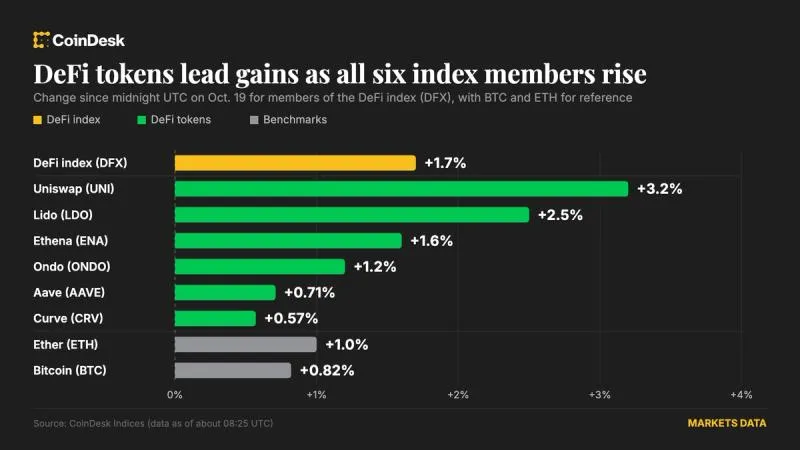
DeFi tokens outpace altcoin gains as bitcoin holds firm near $82,700

France's stablecoin tax adoption sparks broader regulatory debates