UK financial institutions process 10,000 complaints over crypto blocks in three months
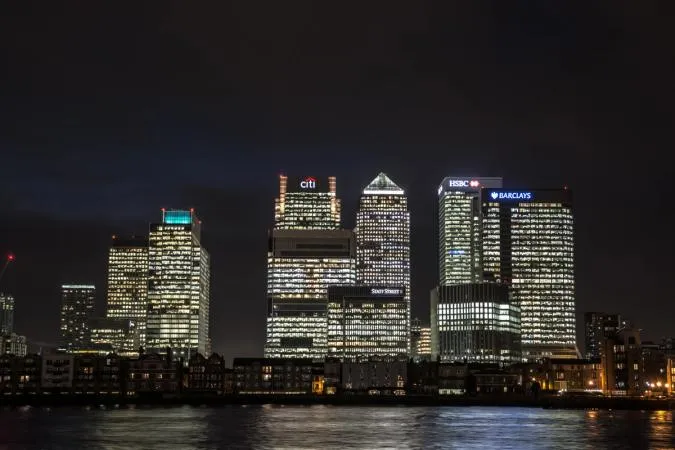
As we examine the evolving landscape of digital assets in Europe, recent figures reveal a notable friction point between traditional finance and decentralized currencies. Major financial institutions in the United Kingdom faced roughly 10,000 customer complaints within a three-month period regarding strict limitations and outright blocks on cryptocurrency purchases. This surge in grievances highlights a growing disconnect in a jurisdiction that has publicly stated its ambition to establish itself as a leading global crypto hub.
This tension is rooted in the complex relationship between legacy banking systems and digital asset platforms. While policymakers in London have outlined progressive visions for blockchain technology and market regulation, retail banking operations often take a drastically different approach. Traditional institutions frequently cite rigorous compliance mandates, anti-money laundering obligations, and fraud prevention as reasons for implementing stringent controls on customer transactions involving virtual currency exchanges.
For the broader market, this dynamic creates significant hurdles for everyday adoption and liquidity flow. When citizens encounter continuous barriers when attempting to move capital into digital assets, mainstream integration slows down considerably. Investors often find themselves navigating a fragmented ecosystem where official government policy supports crypto innovation, yet the high street banks responsible for everyday transactions maintain defensive postures that restrict access.
Industry participants and advocacy groups have expressed mounting frustration over these operational bottlenecks. Many observers argue that heavy-handed restrictions from legacy institutions undermine the national objective of fostering a competitive digital economy. Instead of protecting consumers, critics suggest that blanket blocks simply push users toward unregulated channels or alternative jurisdictions, creating a counterproductive environment for financial oversight.
Looking ahead, market participants will be closely monitoring whether regulatory authorities step in to bridge the gap between government ambitions and banking practices. Clearer guidelines from watchdogs could force institutions to adopt more nuanced risk management strategies rather than relying on blanket prohibitions. Until standard protocols are established, retail participants in the region will likely continue to face obstacles when managing their digital portfolios through traditional accounts.

CoinMagnetic Team
Crypto investors since 2017. We trade with our own money and test every exchange ourselves.
Updated: October 2026
From our insights:
Related news

Israel elections spark debate as Netanyahu weighs blockchain to bypass sanctions

LIBRA token dismissal shields Milei and 10 others from fraud claims

Sweden restricts staff to Microsoft Copilot while locking out ChatGPT and Claude

Preferred stock dividends fuel strategies for nearly 136,000 bitcoin acquisitions

Corporate pushback against SEC-exempt tokenized stocks masks long-term interest