Corporate pushback against SEC-exempt tokenized stocks masks long-term interest

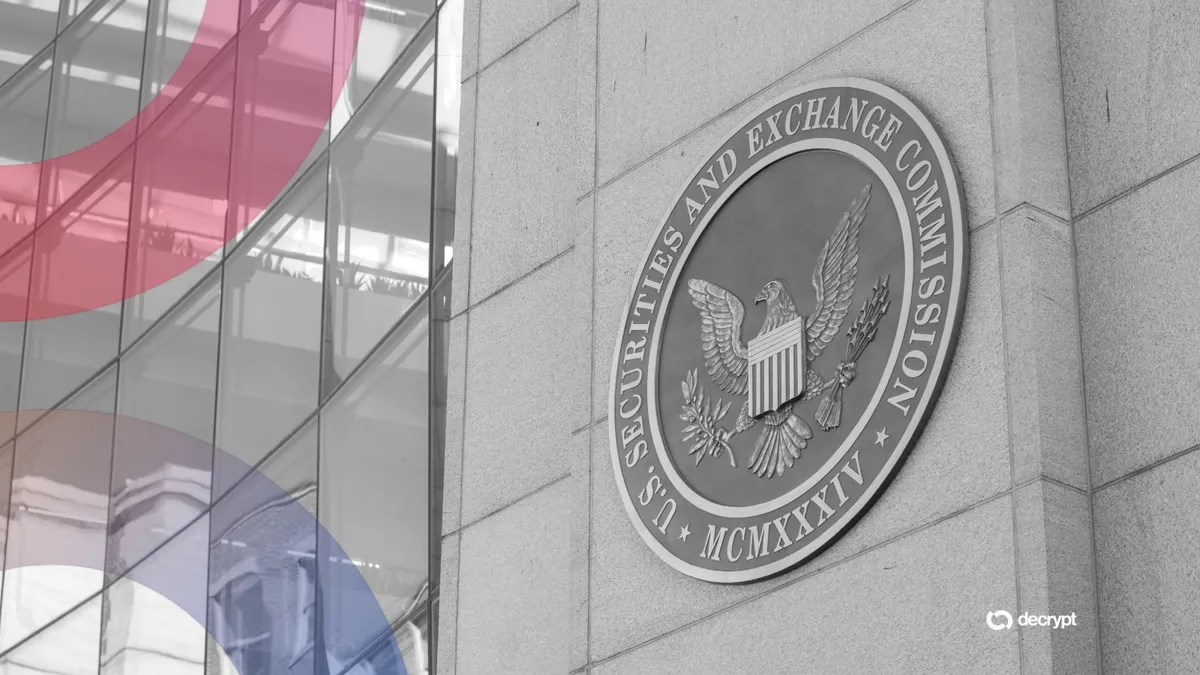
Major global corporations, including McDonald's, Microsoft, and Google, have recently expressed formal objections to having their shares listed on a new tokenized securities trading venue. This venue operates under an innovation exemption granted by the Securities and Exchange Commission, intended to facilitate a pilot program for blockchain-based equity trading. The companies raised concerns regarding the unauthorized use of their branding and the potential regulatory complexities tied to the issuance of tokenized representations of their common stock without their direct participation.
This friction stems from the SEC's attempt to bridge traditional finance and distributed ledger technology through limited regulatory sandboxes. Tokenized stocks are designed to function as digital twins of real-world assets, enabling potentially faster settlement times and fractional ownership. However, the mechanism relies on intermediaries holding the underlying equity while issuing tokens that mirror the economic value and performance of the original shares, a structure that requires careful legal coordination between the platforms and the issuers.
While the resistance from these household names might appear to be a setback for the tokenization movement, it is important to view it as a symptom of cautious legal positioning rather than a definitive rejection of the underlying technology. For the broader digital asset market, this development highlights the persistent divide between institutional conservative standards and the rapid experimentation favored by fintech startups. Many firms are simply protecting their intellectual property and ensuring that any involvement in future blockchain infrastructure aligns with their established compliance frameworks.
Industry experts suggest that this initial resistance is typical for the integration of disruptive technologies into the highly regulated equities market. Market participants emphasize that once a clear path for institutional-grade tokenization is established, these companies may eventually reconsider their stance, especially if the secondary markets for such tokens demonstrate sufficient liquidity and security. The pushback serves as a reminder that the transition to tokenized securities will likely involve a long process of negotiation regarding custodial responsibilities and brand control.
Moving forward, the success of these tokenized venues will depend on how effectively they can address the concerns of large issuers while maintaining the technical advantages of blockchain protocols. We expect to see more dialogues between platform developers and traditional corporations as the regulatory environment matures. The focus will likely shift toward collaborative models where issuers might partner directly with tokenization platforms, ensuring that the transition to digital assets happens with full institutional oversight and alignment.

CoinMagnetic Team
Crypto investors since 2017. We trade with our own money and test every exchange ourselves.
Updated: October 2026
From our insights:
Related news

Milei cleared of fraud allegations following the LIBRA memecoin crash

HSBC integrates Hong Kong dollar stablecoin into PayMe for digital currency test

Apex Group CEO warns U.S. Clarity Act failure pushes firms to Asia and Middle East

Netanyahu evaluates blockchain strategy to counter potential banking sanctions
SEC highlights tokenization and artificial intelligence as major regulatory focus areas