U.S. senators seek to block foreign adversaries from AI technology in new bill
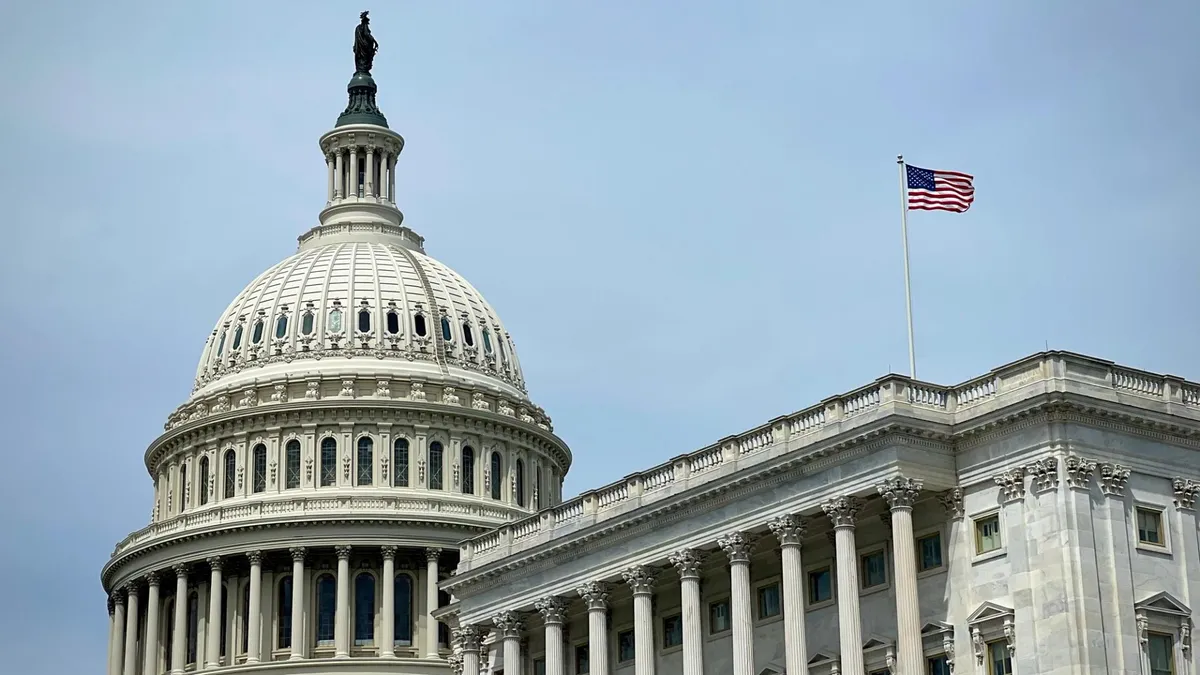
U.S. Senators Tim Scott and Bill Hagerty have introduced a new bill aimed at safeguarding American artificial intelligence (AI) technology from potential foreign adversaries. This legislative move comes in the wake of growing concerns over national security and the risks posed by foreign entities gaining access to critical technological advancements. The bill seeks to empower the government with greater authority to monitor and restrict foreign investments and collaborations in the AI sector, thereby ensuring that sensitive technologies remain in American hands. By leveraging insights gained from their success with the crypto GENIUS Act, the senators aim to create a robust framework that prioritizes national security in the context of rapidly evolving AI technologies.
The backdrop to this legislative effort includes a broader geopolitical landscape where tensions between the U.S. and nations like China and Russia have intensified. As AI has emerged as a pivotal technology with vast implications for military, economic, and social dimensions, safeguarding it from foreign influence has become increasingly critical. Past incidents involving data breaches and intellectual property theft have underscored the vulnerabilities that can arise when foreign adversaries gain unfettered access to U.S. technologies. This bill is part of a larger strategy to fortify the nation’s tech infrastructure against potential threats, reflecting a growing recognition of the strategic importance of AI.
This legislation carries significant implications for the market, particularly for companies operating in the AI space. By establishing stricter regulations around foreign investment and collaboration, the bill could reshape the landscape for startups and established firms alike. Investors may need to navigate a more complex regulatory environment, which could influence funding dynamics and collaboration opportunities. Furthermore, the move could bolster domestic innovation, as companies may shift their focus to secure funding and partnerships within the U.S., potentially leading to a surge in homegrown AI developments.
Industry experts have responded with a mix of support and caution. Some view the bill as a necessary step to protect American innovation and ensure that the U.S. remains a leader in AI technology. They argue that protecting sensitive technologies from adversarial influence is paramount for maintaining competitive advantages. However, there are concerns that overly restrictive measures could stifle innovation by limiting collaboration with international partners, who often contribute valuable expertise and resources. Balancing security concerns with the need for open collaboration will be crucial as the bill progresses through the legislative process.
Looking ahead, the fate of this bill will depend on how it is received by both lawmakers and industry stakeholders. If it gains traction, it may prompt further discussions about the regulatory landscape surrounding emerging technologies, setting a precedent for how the U.S. approaches not just AI, but other critical tech sectors as well. As the bill moves through Congress, ongoing dialogues among policymakers, industry leaders, and security experts will be essential in shaping a framework that effectively protects national interests without hindering innovation.

CoinMagnetic Team
Crypto investors since 2017. We trade with our own money and test every exchange ourselves.
Updated: June 2026
From our insights:
Related news

Citi integrates Coinbase for new stablecoin infrastructure in banking

Tether assists in freezing $550 million in USDT linked to Iran this year

US bank initiative for tokenized deposits raises questions about QNT's involvement

Robinhood Chain's $1.5 billion growth linked to new memecoin scams

UC San Diego team impersonates hardware vault using clever RSA attack