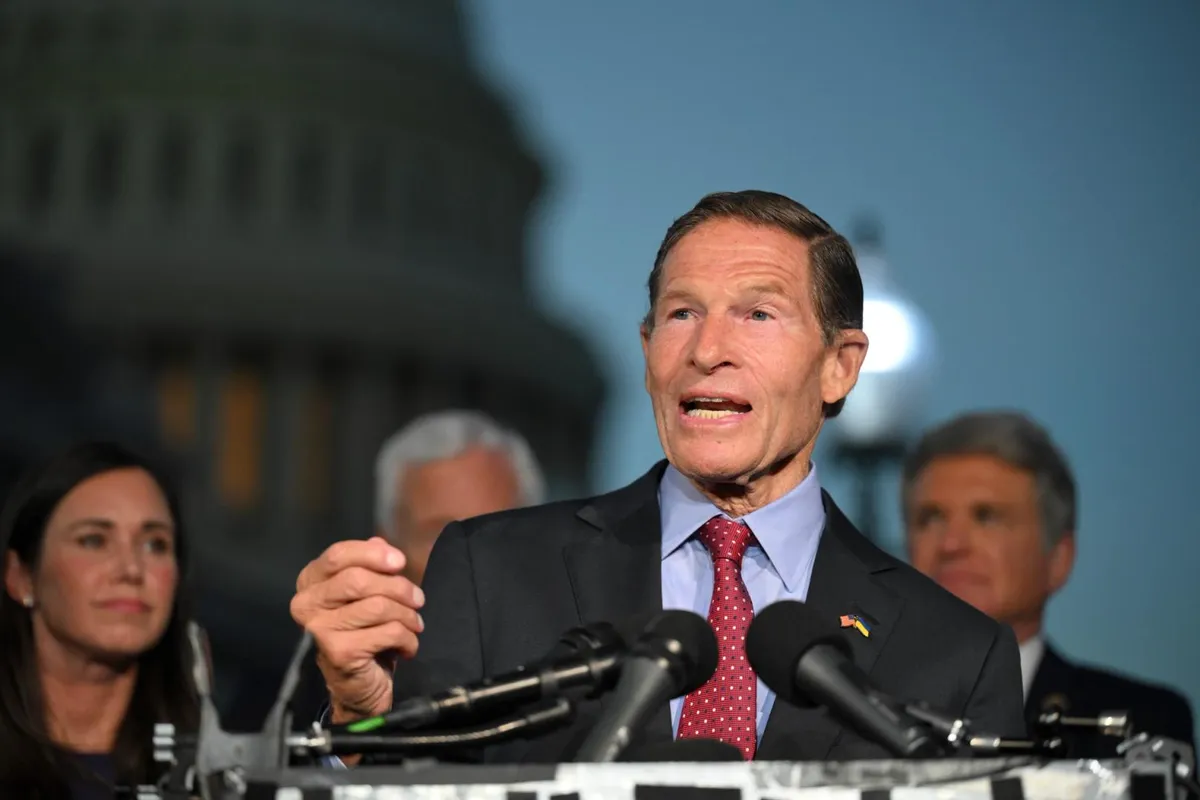
Tether’s USDT at center of Iran’s shadow banking network, new Senate Report says
A recent Senate report has identified Tether's stablecoin, USDT, as a pivotal component within Iran's shadow banking network. The investigation highlights how USDT has facilitated transactions that circumvent international sanctions imposed on Iran. This revelation underscores the growing concerns about the use of cryptocurrencies in illicit financial activities, particularly in countries facing economic restrictions.
The context surrounding this report is critical, as it sheds light on the broader implications of stablecoins in the global financial landscape. Tether has long been scrutinized for its role in the cryptocurrency market, especially given its widespread use for trading and as a store of value. The Senate's findings suggest that stablecoins like USDT could be exploited not only for legitimate purposes but also to support activities that undermine international financial regulations.
This matter carries significant weight for the overall cryptocurrency market. As governments and regulatory bodies work to establish frameworks for digital assets, findings like this could prompt tighter regulations on stablecoins. Such actions may lead to increased scrutiny of not just Tether but also other stablecoin issuers, potentially affecting market liquidity and user confidence. Investors and stakeholders may need to reassess their exposure to assets like USDT, considering the associated legal and compliance risks.
Industry reactions to the Senate report have been mixed. Some experts argue that the findings reflect a need for clearer regulatory guidelines to prevent misuse of cryptocurrencies in illicit activities. Others caution that blanket allegations against stablecoins could stifle innovation in the sector. The debate continues as stakeholders navigate the balance between fostering technological advancements and ensuring compliance with international regulations.
Looking ahead, the implications of this report may lead to more stringent regulatory measures targeting stablecoins. Tether and similar platforms may be compelled to enhance transparency and compliance efforts to mitigate the risks of being associated with illicit financial systems. As the dialogue around cryptocurrency regulation evolves, market participants will need to stay informed and adapt to the changing landscape.

CoinMagnetic Team
Crypto investors since 2017. We trade with our own money and test every exchange ourselves.
Updated: September 2026
From our insights:
Related news
SEC issues guidance on crypto token issuers after CFTC's lead
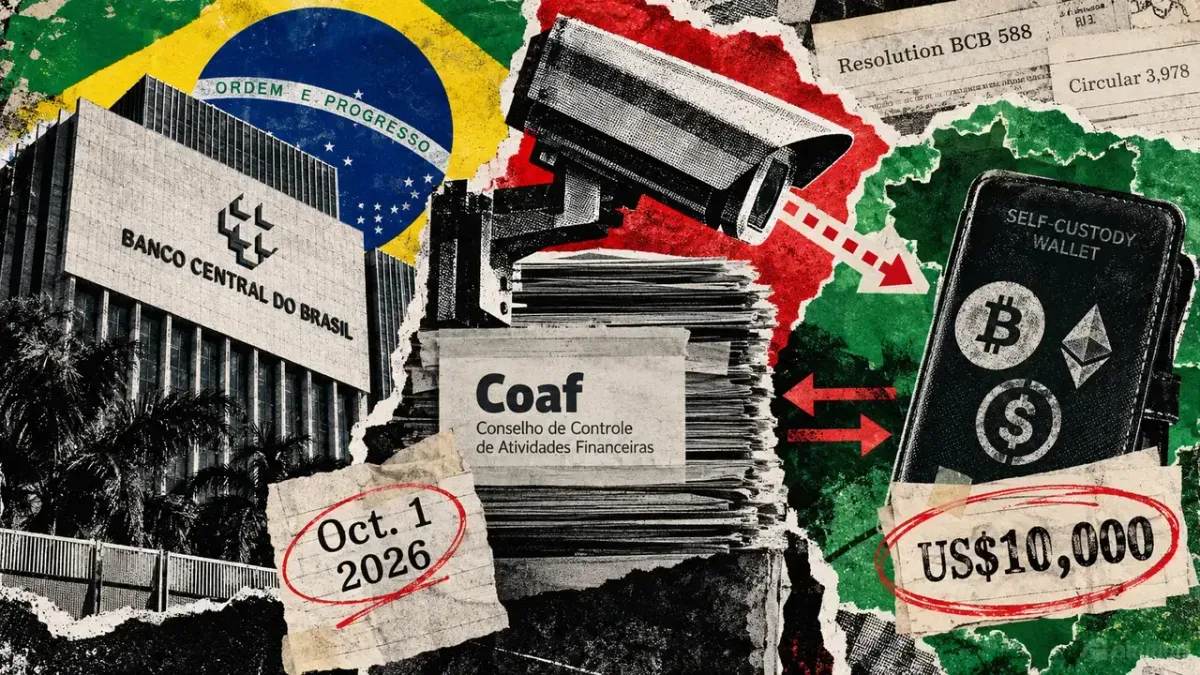
Brazil’s $252 billion crypto market gets $10,000 self-custody reporting rule

Chainlink introduces CCIP 2.0 allowing banks to implement security checks post $292M hack

Crypto PAC allocates $11 million to challenge Sherrod Brown in Ohio
Russia opens crypto exchange applications October 5, but Bitcoin still awaits retail approval