Senate Democrats label Tether a crucial tool for Iranian regime
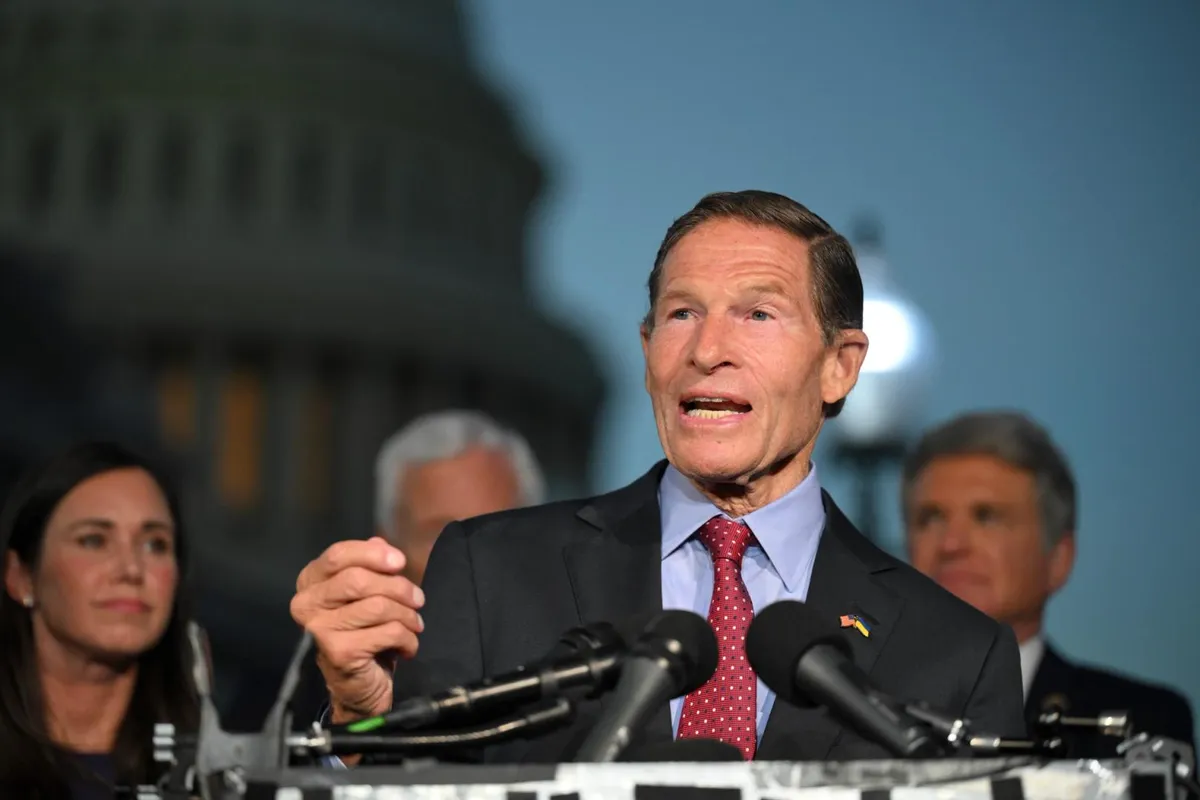
A recent report released by the Democrats on the Senate's Permanent Subcommittee on Intelligence has identified Tether (USDT) as a significant financial lifeline for the Iranian regime. The report suggests that the stablecoin is being utilized by Iran to circumvent economic sanctions imposed by the United States. This revelation highlights the growing role of cryptocurrencies in global finance, particularly for nations seeking to evade traditional banking restrictions.
The context of this report is rooted in a broader discussion about the impact of cryptocurrencies on international relations and economic sanctions. Over the past few years, various countries, including Iran, have increasingly turned to digital currencies as a means of maintaining financial stability and facilitating trade despite sanctions. Tether, being one of the most widely used stablecoins, offers a way for these regimes to transact without relying on conventional financial institutions that are often restricted by international law.
This development is significant for the cryptocurrency market as it raises questions about the regulatory environment surrounding stablecoins. If Tether is indeed being used to support sanctioned governments, it may lead to increased scrutiny from regulators in the U.S. and beyond. This could result in stricter regulations for stablecoins and potentially impact their adoption and use in legitimate markets. Investors and users of Tether may need to reassess their involvement with the token as the implications of the report unfold.
Industry experts have reacted with a mix of concern and caution regarding the findings of the report. Some believe that this could lead to further regulatory crackdowns on stablecoins, which could stifle innovation in the space. Others argue that Tether's involvement with sanctioned nations is a reflection of the broader challenges that regulators face in addressing the use of cryptocurrencies for illicit activities. The dialogue around this issue underscores the need for a balanced approach that protects against misuse while fostering the positive aspects of blockchain technology.
Looking ahead, the Senate's report may prompt further investigations into the relationships between cryptocurrencies and state actors. Regulatory bodies may take a harder stance on how stablecoins are utilized, potentially leading to new frameworks that govern their use in international finance. As developments continue to unfold, stakeholders in the cryptocurrency space will need to stay informed about the evolving landscape and its implications for the industry.

CoinMagnetic Team
Crypto investors since 2017. We trade with our own money and test every exchange ourselves.
Updated: September 2026
From our insights:
Related news
Crypto PAC allocates $11 million to challenge Sherrod Brown in Ohio
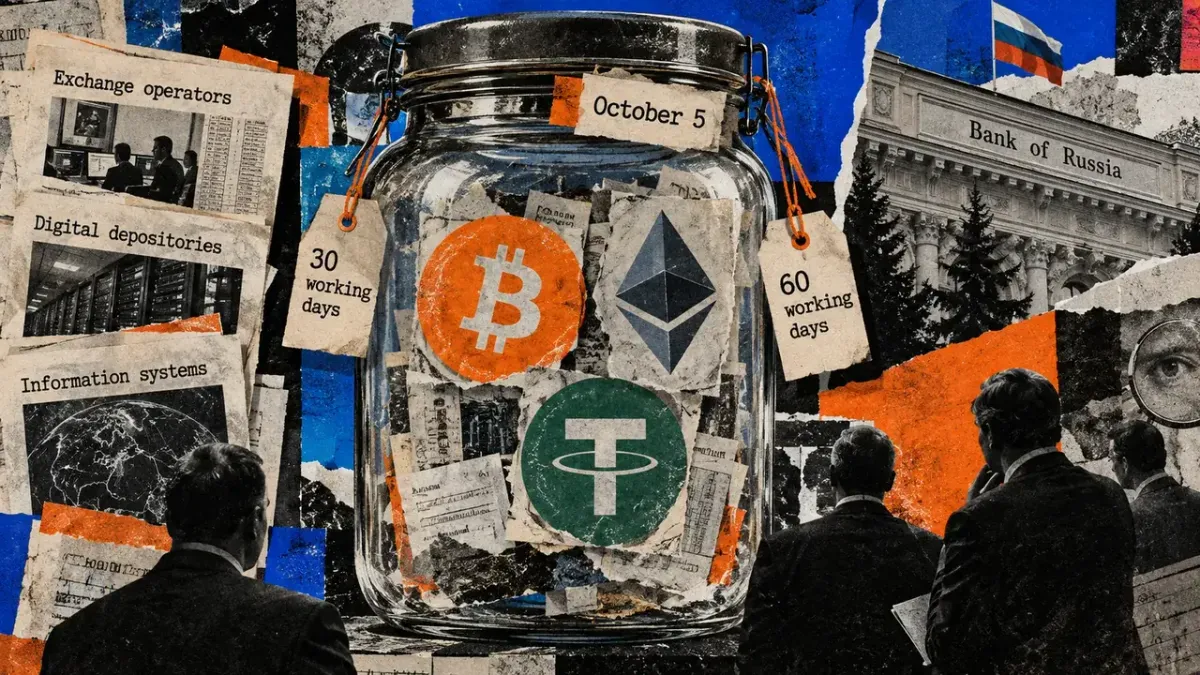
Russia opens crypto exchange applications October 5, but Bitcoin still awaits retail approval
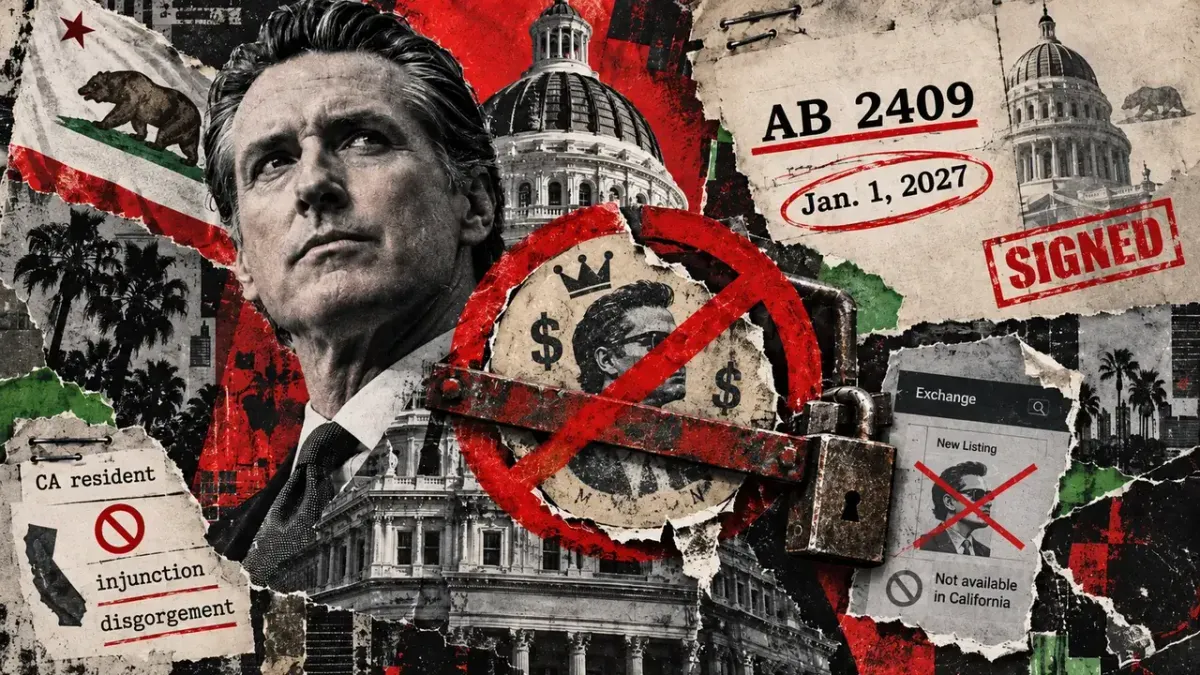
California signs into law restrictions banning public officers from issuing crypto meme coins

AI agents may lead to bank run by shifting deposits to higher yields

Hong Kong regulators expand financial reporting oversight to licensed crypto firms