U.S. adds four Iran central bank crypto wallets to sanctions, Tether freezes $131 million of contents

The U.S. Department of the Treasury has recently expanded its sanctions against Iran by adding four cryptocurrency wallets belonging to the Central Bank of Iran (CBI). This move is part of the ongoing efforts to curb the Iranian government’s ability to use cryptocurrency for funding illicit activities. In conjunction with the sanctions, Tether, the issuer of the USDT stablecoin, has taken proactive measures by freezing approximately $131 million worth of assets contained within these specific wallets. The freeze affects TRON-based addresses that previously held over $165 million, ensuring that these funds cannot be transferred or redeemed without permission.
The context surrounding this decision is rooted in a long-standing geopolitical struggle. The U.S. has consistently targeted Iran's financial infrastructure, particularly in response to concerns about nuclear proliferation and terrorism financing. Cryptocurrencies have emerged as a tool that can bypass traditional financial systems, making them particularly appealing to entities like the CBI looking to operate outside of international sanctions. The U.S. government’s recent actions highlight an increasing recognition of the role that digital currencies play in enabling such activities, thereby prompting stricter regulations and enforcement measures.
This latest development is significant for the cryptocurrency market, as it underscores the growing intersection between digital assets and regulatory frameworks. Investors and market participants are likely to react to the implications of this freeze and the sanctions, as they may signal increased scrutiny on crypto transactions tied to sanctioned entities. Furthermore, this action could serve as a warning to other cryptocurrency exchanges and wallet providers about the potential risks associated with facilitating transactions for users linked to sanctioned jurisdictions.
Industry reactions have varied, with some experts praising the U.S. government's actions as necessary to maintain the integrity of the financial system. Others, however, have raised concerns about the broader implications for the cryptocurrency ecosystem. Some believe that aggressive sanctions could drive actors further underground, complicating compliance efforts and potentially leading to a fragmented market. Additionally, there are worries about how these developments might impact legitimate users in the region who rely on cryptocurrencies for basic financial services.
Looking ahead, we can anticipate that the U.S. will continue to scrutinize cryptocurrency activities related to sanctioned entities, possibly leading to further sanctions or freezes. This may encourage the crypto industry to develop more robust compliance mechanisms to avoid being implicated in such issues. As regulatory clarity evolves, stakeholders will need to navigate a complex landscape, ensuring that their operations remain compliant while still fostering innovation in the rapidly changing world of digital currencies.

CoinMagnetic Team
Crypto investors since 2017. We trade with our own money and test every exchange ourselves.
Updated: July 2026
From our insights:
Related news

BlackRock crypto ETF assets climb to $79.6 billion following investor inflows

DriveWealth adopts Ripple RLUSD on XRP Ledger for European settlement and custody

Bitwise CIO Matt Hougan points to fundamental indicators signaling a crypto spring

Federated Hermes pairs with Prometheum to launch onchain fund shares
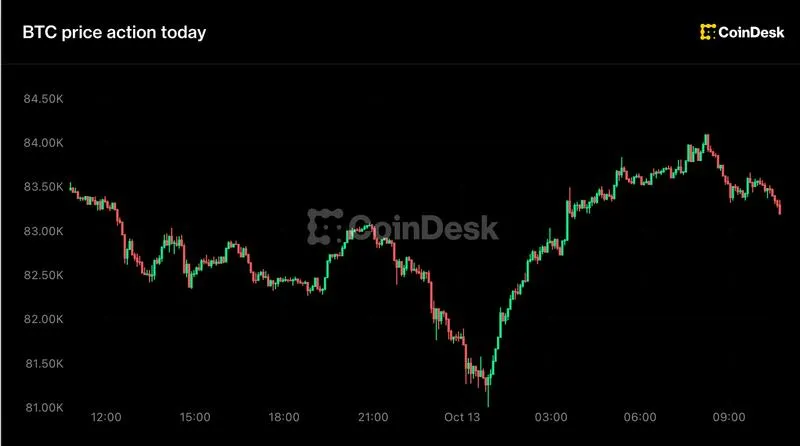
Bitcoin fluctuates from $81,000 to $84,000 while major altcoins decline
