Trump Cancels Signing of Bipartisan Housing Bill Containing CBDC Ban: 'Of Minor Importance'
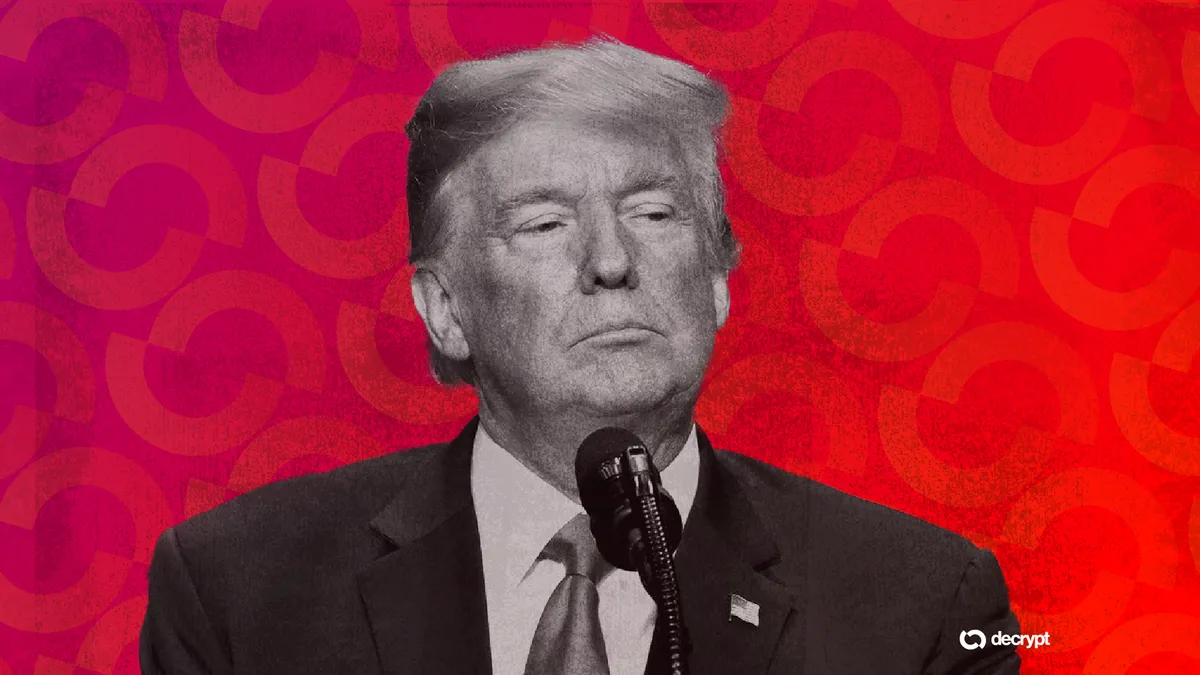
President Trump has recently announced that he will not be signing a bipartisan housing bill that includes provisions banning central bank digital currencies (CBDCs), describing the legislation as "of minor importance." This housing bill had garnered significant support due to its potential to address pressing issues related to affordable housing. However, Trump's decision to delay the signing until Congress addresses another contentious issue–voting rights–has raised eyebrows. The interplay between these two pieces of legislation highlights the complexities of the current political landscape and the challenges of achieving meaningful reforms.
The housing bill, which was expected to provide critical funding and support for affordable housing initiatives, had bipartisan backing, reflecting a rare moment of unity in a polarized Congress. However, the inclusion of a CBDC ban has become a focal point of contention. CBDCs are digital currencies issued by central banks, and their rise has sparked debates about privacy, security, and the control of financial systems. Trump's insistence on linking the passage of the housing bill to the contentious voting rights legislation has added a layer of complexity, as he aims to leverage one issue to push for another that resonates deeply with his political base.
The implications of this delay could be significant for the markets, particularly in the cryptocurrency sector. The proposed CBDC ban was seen as a way to protect the burgeoning crypto market from governmental overreach and to foster a more favorable environment for decentralized finance (DeFi) projects. Market participants were hopeful that the bipartisan nature of the bill would signal a move towards clearer regulations for cryptocurrencies. Trump's dismissal of the bill could lead to increased uncertainty, potentially dampening investor sentiment and delaying the much-needed regulatory clarity that the industry has been seeking.
Industry experts have expressed mixed reactions to Trump's decision. Some view it as a setback for the crypto community, arguing that the ban on CBDCs was a necessary safeguard against government overreach into personal financial freedoms. Others see it as an opportunity for further dialogue on the implications of digital currencies and the need for a more nuanced approach to regulation. The complexity of aligning interests in Congress may foster a renewed push for comprehensive discussions that could ultimately lead to a more balanced regulatory framework.
Looking ahead, the situation remains fluid. The interplay between the housing bill, voting rights, and the future of CBDCs will continue to evolve, and stakeholders across the political and financial spectrum will be watching closely. As Congress navigates these intertwined issues, the potential for future legislation addressing both housing and cryptocurrency remains a possibility, albeit one that will require careful negotiation and collaboration among lawmakers. The outcome will undoubtedly shape the landscape for both traditional and digital finance in the coming months.

CoinMagnetic Team
Crypto investors since 2017. We trade with our own money and test every exchange ourselves.
Updated: June 2026
From our insights:
Related news

Canada's six largest banks collaborate on digital-dollar transfer system
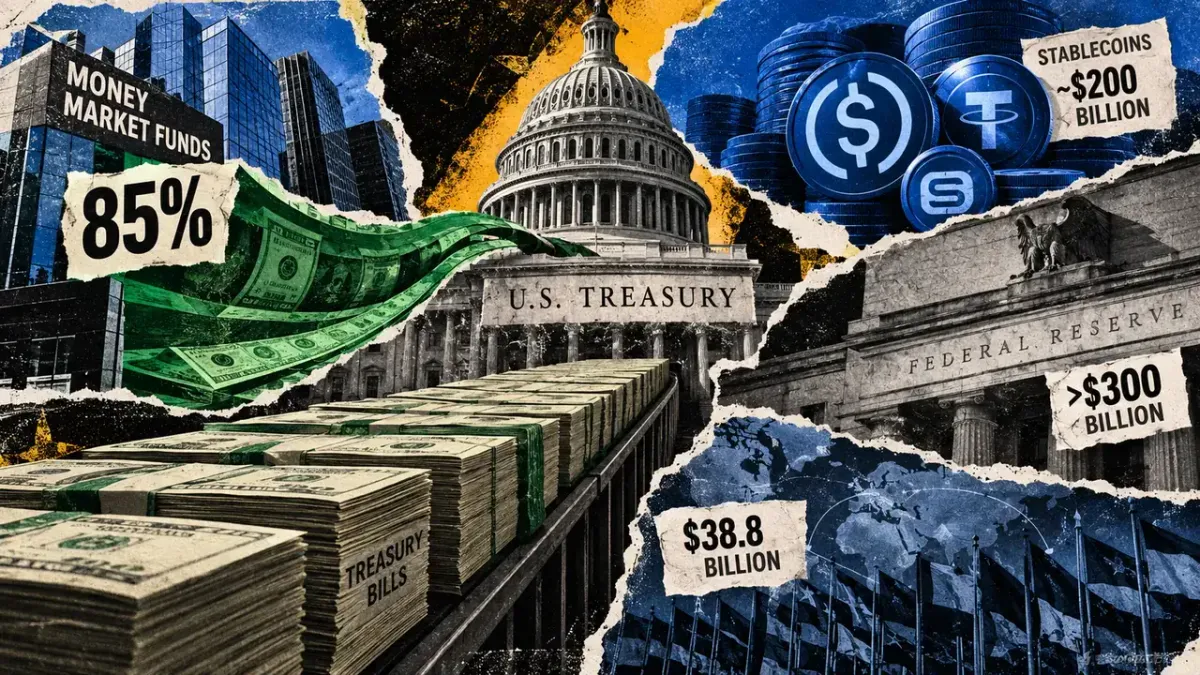
Stablecoins hold nearly $200 billion in US debt, but money funds bought the surge

Visa study shows stablecoin usage among Americans could rise to 56% with bank protections
FBI gathers experts annually to tackle crypto crime at Virtual Asset Technical Exchange

Tron processes up to $190 billion in weekly stablecoin transfers, analysis reveals