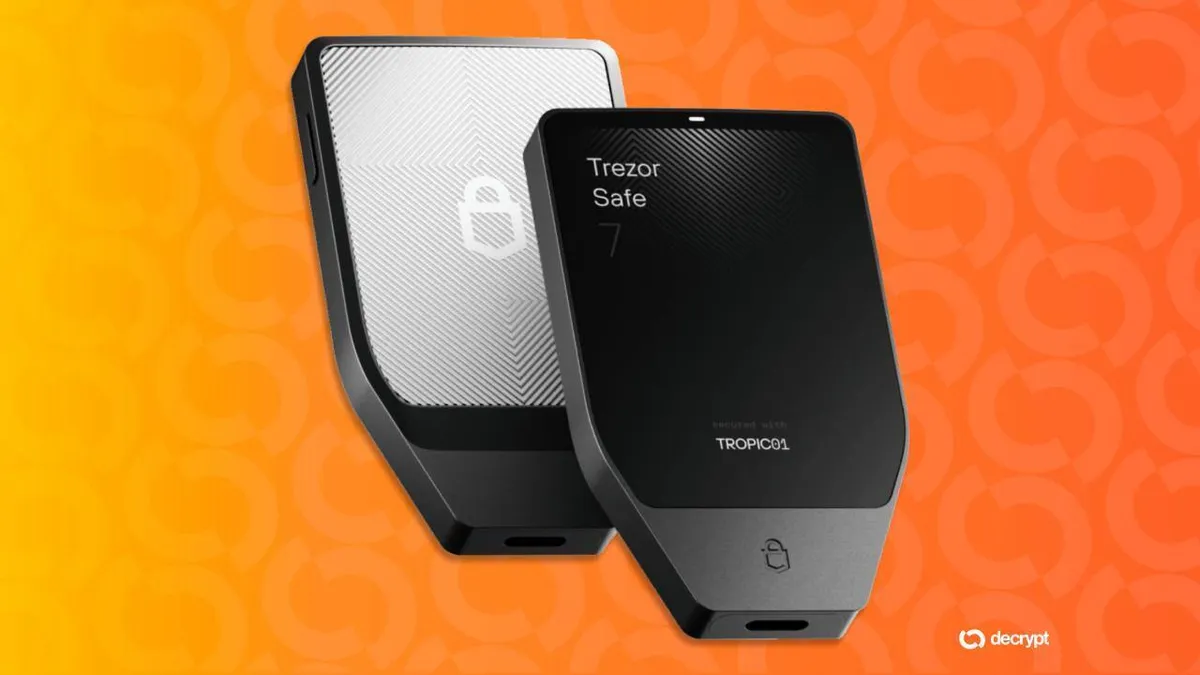
Trezor cuts authorized resellers ahead of January 1 to prevent tampering

Hardware wallet manufacturer Trezor has moved to significantly reduce its network of authorized resellers, notifying certain third-party distributors that they will be removed from the official list starting January 1. According to Chief Commercial Officer Danny Sanders, this decision was enacted as a preventative step following recent industry-wide reports concerning hardware wallet tampering. By tightening the distribution chain, the company aims to minimize potential vulnerabilities that could expose physical devices to malicious alterations before reaching end users.
This development arrives against a backdrop of heightened security anxieties within the crypto hardware sector. Earlier reports involving supply chain vulnerabilities at rival manufacturer Ledger have placed intense scrutiny on how physical cryptographic devices are handled, stored, and distributed. Hardware wallets are widely considered the gold standard for long-term cryptocurrency storage because they keep private keys offline, yet the physical supply chain remains a critical vector of concern for everyday holders who rely on third-party vendors to deliver untampered units.
For the broader cryptocurrency market, this supply chain tightening highlights the ongoing tension between commercial reach and security rigor. Decentralization and open distribution models have traditionally helped hardware wallet makers scale globally, but the rising sophistication of supply chain attacks forces companies to reevaluate traditional retail partnerships. Ensuring that a device has not been intercepted or modified during transit is becoming just as critical as the cryptographic code running on the secure element itself, shifting market expectations toward tighter manufacturer control.
Industry observers and security experts have largely viewed the move as a necessary, albeit restrictive, measure to protect consumer funds. While cutting ties with established third-party resellers may temporarily impact global retail availability and convenience for buyers in certain regions, the overarching consensus is that prioritizing supply chain integrity outweighs retail expansion. Security researchers have long warned that physical tampering represents one of the hardest attack vectors for average users to detect, making proactive manufacturer oversight a welcome shift.
Looking ahead, market participants will be watching to see how Trezor restructures its distribution channels and whether other hardware wallet providers follow suit with similar supply chain audits. As the hardware security landscape evolves, brands are expected to rely more heavily on direct-to-consumer shipping and strictly vetted, highly centralized logistics to maintain trust. For digital asset holders, these adjustments signal an industry-wide push toward zero-trust supply chain models as physical security becomes as vital as software defenses.

CoinMagnetic Team
Crypto investors since 2017. We trade with our own money and test every exchange ourselves.
Updated: October 2026
From our insights:
Related news

Tokenized stocks on Solana, BNB Chain valued at nearly $3.3 billion outside US hours

Bitcoin whale moves $377 million after holding since March 2020

Strive boosts bitcoin holdings to 32,773 BTC with $280 million acquisition

Palantir CTO Shyam Sankar notes AI researchers smoking to signal cancer cure confidence

Bitcoin buyers stabilize price near $81,000 as market sentiment remains cautious