Trezor terminates reseller authorizations after Ledger reveals spy implant risk
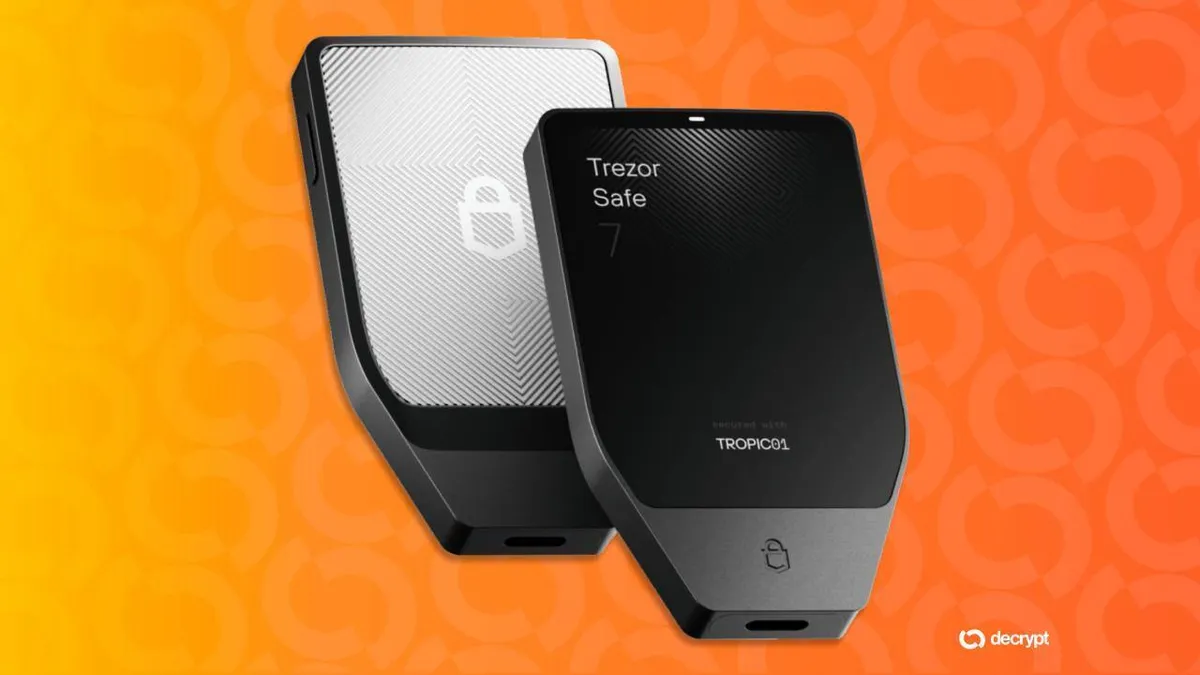
Trezor has announced its decision to cut reseller authorizations effective January 1, 2027, following alarming revelations from Ledger about security vulnerabilities in crypto wallets. This move comes in the wake of Ledger's discovery that certain wallets sold by a Southeast Asian retailer were compromised with a hidden implant capable of transmitting users' recovery phrases. The exposed nature of this flaw has raised significant concerns about the integrity of third-party sales channels in the cryptocurrency hardware wallet market.
The context of this decision stems from the ongoing battle over security and trust in cryptocurrency hardware wallets. Ledger's findings indicate that the compromised wallets could potentially jeopardize the entire security framework that users rely on when safeguarding their digital assets. Trezor, a prominent player in the hardware wallet industry, aims to reinforce its commitment to security and user trust by eliminating the possibility of third-party vulnerabilities that could arise from unauthorized resellers.
This news is critical for the market as it underscores the importance of secure transactions and the necessity for hardware wallet manufacturers to maintain stringent control over their products. The potential for compromised wallets can lead to a loss of confidence among users, which is detrimental to the broader cryptocurrency ecosystem. As Trezor takes proactive measures to ensure the security of its devices, it may also prompt other manufacturers to reevaluate their own reseller policies.
Industry reactions have been mixed, with some experts applauding Trezor's decisive action as a necessary step in safeguarding user assets. Others, however, express concern over the growing complexity and fragmentation in the hardware wallet market, suggesting that such moves could limit consumer choice. The incident may lead to increased scrutiny of all hardware wallet manufacturers, as users demand greater transparency regarding the security of their devices.
Looking forward, it will be essential for Trezor and other manufacturers to not only implement stronger security measures but also to communicate these changes effectively to their user base. As the cryptocurrency space continues to evolve, maintaining user trust through rigorous security protocols will be paramount. This incident could also prompt a broader discussion on industry standards and the importance of securing hardware wallets against potential threats.

CoinMagnetic Team
Crypto investors since 2017. We trade with our own money and test every exchange ourselves.
Updated: October 2026
From our insights:
Related news

Bitcoin buyers stabilize price near $81,000 as market sentiment remains cautious

Ripple teams with Privy to enable embedded wallets on XRP Ledger

Strive becomes fifth-largest public Bitcoin holder with 32,773 BTC and $208M in warrants

Bitcoin holds near $84K level as US markets recover from Korea tech rout

Wrench attacks surge in UK as masked intruders steal $800,000 in crypto