Treasuries are amplifying market selloffs and Bitcoin is paying the price

Recent market dynamics have shown a notable shift as Treasuries have begun to amplify selloffs in equities, leading to significant repercussions for Bitcoin. Traditionally, U.S. Treasuries have served as a safe haven during times of market distress, providing a counterbalance to falling stock prices. However, as interest rates rise and inflation concerns persist, this inverse relationship is weakening. Investors are witnessing Treasuries failing to provide the expected shelter, resulting in widespread volatility across the markets, which is now impacting Bitcoin's price.
To understand this shift, it's essential to consider the historical context. For the past two decades, a dependable correlation existed between equities and Treasuries. When stock prices dipped, Treasuries would typically rally, allowing investors to hedge against losses. This predictability gave rise to a plethora of financial products designed to exploit this strategy, and many investors grew accustomed to this safety net. Yet, the recent economic climate, characterized by tightening monetary policy and fluctuating inflation rates, has disrupted this long-standing relationship, leaving investors scrambling for stability.
This changing dynamic is particularly significant for the cryptocurrency market, where Bitcoin has often been viewed as a risk-on asset. As Treasuries fail to cushion the blow from stock market declines, investors are facing increased uncertainty. This situation has led to a broader risk-off sentiment, where both equities and Bitcoin experience selloffs. The correlation between Bitcoin and traditional markets has become more pronounced, causing Bitcoin to mirror the downturns in equities as investors seek liquidity and safety.
Industry reactions have been mixed, with some experts suggesting that the current climate could lead to a reevaluation of Bitcoin's role in investor portfolios. According to crypto analysts, the traditional view of Bitcoin as a hedge against economic turmoil may need to be reassessed in light of these developments. Some market participants argue that Bitcoin's volatility is a double-edged sword, and while it may offer long-term potential, its immediate response to market conditions can be detrimental during turbulent times.
Looking ahead, the market will be closely watching how economic indicators and monetary policies evolve. If Treasuries continue to struggle in their role as a safe haven, investors may seek alternative strategies to navigate the complexities of the current financial landscape. For Bitcoin, demonstrating resilience and decoupling from traditional equities will be crucial for regaining investor confidence. As we move forward, the interplay between Treasuries, equities, and cryptocurrencies will remain a focal point for market observers and participants alike.

CoinMagnetic Team
Crypto investors since 2017. We trade with our own money and test every exchange ourselves.
Updated: July 2026
From our insights:
Related news

Bitwise eyes $100,000 bitcoin finish while LO:TECH flags inflation risks

Cysic crypto bridge halted after unauthorized mint of 10M CYS
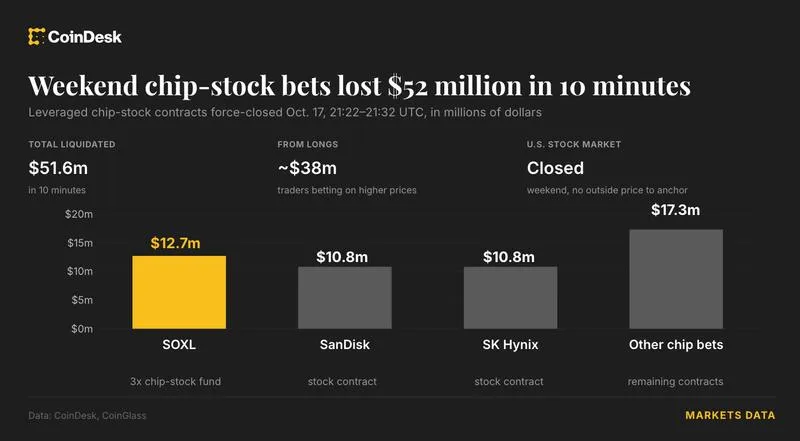
Traders lose $52 million on chip-stock contracts in 10 minutes during market closure

Turkey confirms Hex founder Richard Heart’s arrest, says police seized $7.15 million and six cold wallets

Defend American Jobs commits another $7 million to unseat Ohio Senator Sherrod Brown