Traders don’t see Kelp socializing losses after $292 million exploit

A recent exploit of $292 million in the Kelp protocol has raised significant concerns within the crypto trading community. Following this incident, traders are responding with skepticism regarding the likelihood of Kelp absorbing these losses through a system-wide redistribution. Polymarket has indicated that the prevailing sentiment among traders is that the odds of such a redistribution occurring are low. As Kelp navigates its next steps, the focus is on addressing the undercollateralized supply of rsETH, which has emerged as a critical issue in the aftermath of the exploit.
To understand the implications of this exploit, it is essential to consider the context in which Kelp operates. The protocol, known for its automated liquidity management and trading features, has garnered attention for its innovative approach to decentralized finance (DeFi). However, the recent incident highlights vulnerabilities that can arise in complex systems, especially when dealing with large amounts of capital. The failure to adequately secure funds has prompted discussions about the necessity of stronger safeguards and the potential for systemic risks within the broader DeFi landscape.
This situation is significant not only for Kelp but also for the overall crypto market. The exploit has contributed to a heightened sense of caution among investors and traders, who may reassess their exposure to protocols that exhibit similar vulnerabilities. The fact that traders are pricing low odds for a redistribution suggests a lack of confidence in the protocol's ability to recover from this incident. This sentiment can lead to increased volatility as participants adjust their strategies in response to perceived risks, potentially impacting liquidity and trading volumes across the sector.
Industry experts have weighed in on the situation, emphasizing the need for enhanced security measures and transparency within DeFi projects. Many believe that this incident will serve as a wake-up call for developers and investors alike, reinforcing the importance of rigorous auditing and risk management practices. The response from the community has been mixed, with some expressing support for Kelp's efforts to recover while others remain critical of the systemic flaws that allowed for such a significant exploit to occur.
Looking ahead, Kelp faces a challenging path as it works to regain trader confidence and address the fallout from the exploit. The ongoing discussions surrounding its undercollateralized rsETH supply will likely play a crucial role in shaping the protocol's future. It remains to be seen how Kelp will navigate these challenges and whether it can implement changes that not only bolster its security but also restore trust among its user base. The outcome of this situation could have broader implications for the DeFi space, as it underscores the need for vigilance and accountability in an industry that continues to evolve rapidly.

CoinMagnetic Team
Crypto investors since 2017. We trade with our own money and test every exchange ourselves.
Updated: April 2026
From our insights:
Related news

SoFi begins stablecoin settlement on Mastercard network for program expected to exceed $25 billion in annualized volume

A $3.2 million 'bitcoin butterfly' option trade bets on $95,000 by the end of October

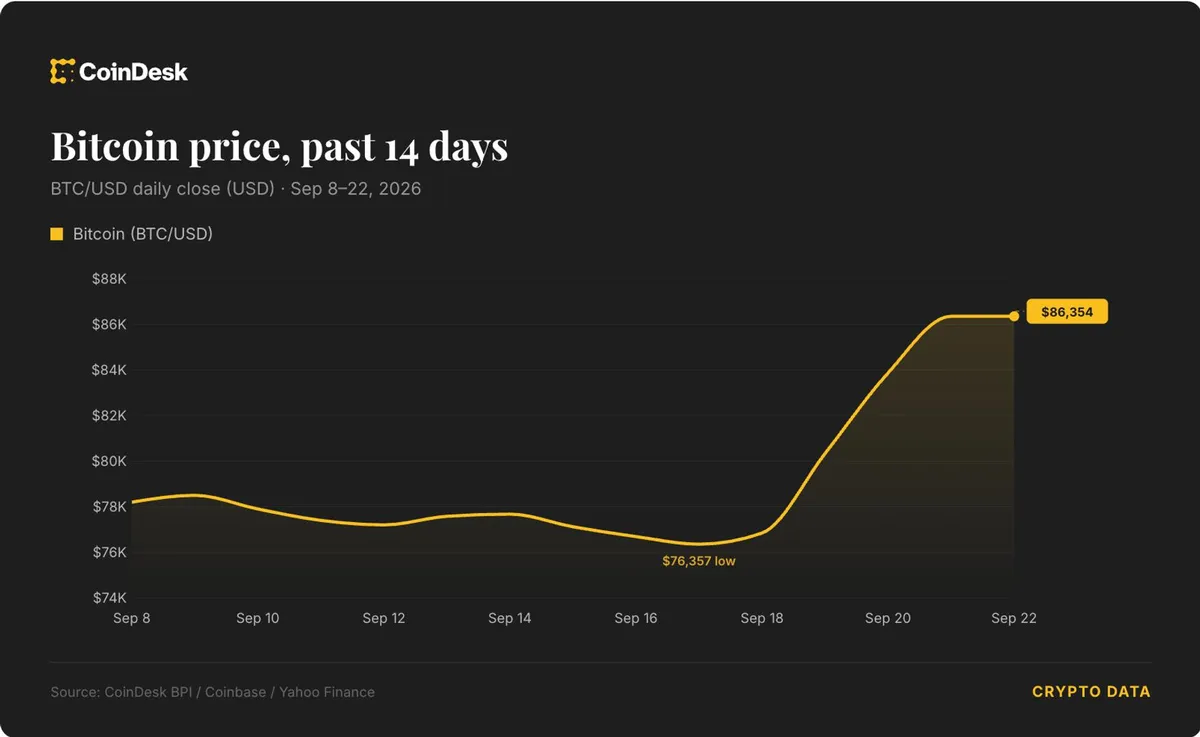
Bitcoin surges past $86,000 as $1 billion in shorts are liquidated, eyes on $90,000
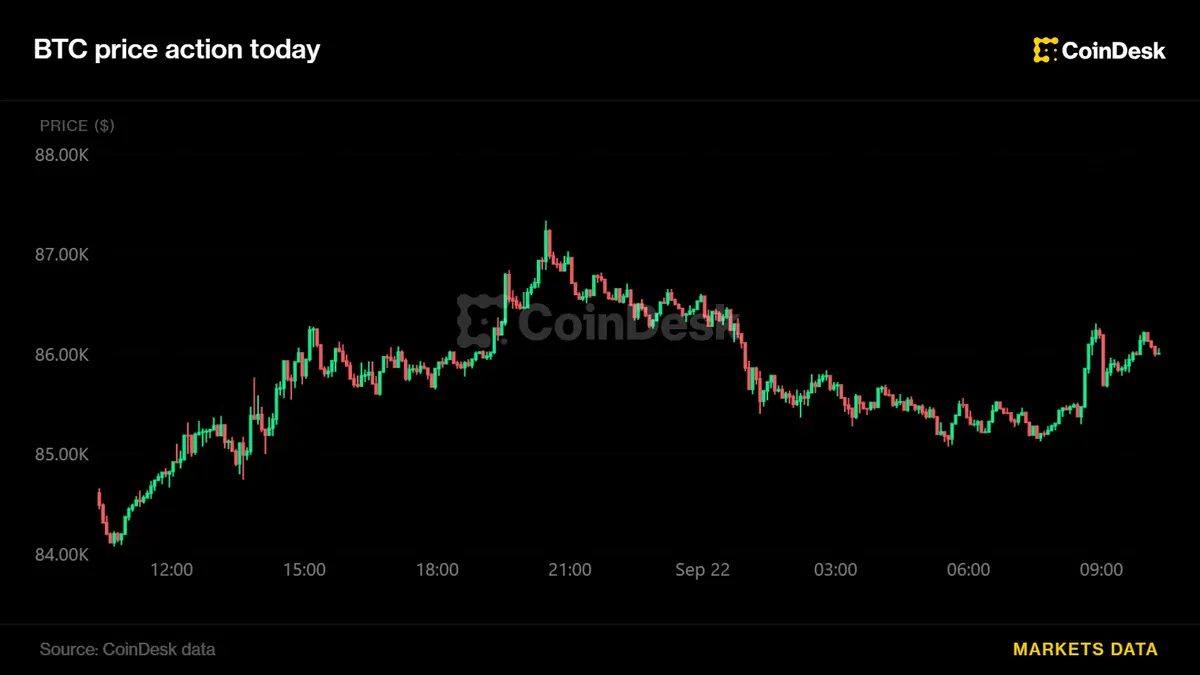
Bitcoin bounces back to $86,000 as oil prices decline and stocks rise

Prediction markets projected to reach $10 trillion by 2035, surpassing sports