Michael Saylor’s rallying cry: Bitcoin needs four forces to win

In a recent discussion, Michael Saylor, the executive chairman of Strategy, articulated a compelling vision for Bitcoin’s future, emphasizing the importance of four distinct forces that he believes are crucial for the cryptocurrency's long-term success. Saylor’s rallying cry revolves around uniting these camps–developers, miners, investors, and users–arguing that each group has unique contributions that can propel Bitcoin to new heights. He posited that the synergy between these forces can create a robust ecosystem that not only sustains Bitcoin but also enhances its adoption and resilience in the face of challenges.
To fully appreciate Saylor's perspective, it’s essential to consider the historical context of Bitcoin's evolution. Since its inception in 2009, Bitcoin has gone through various phases of adoption and skepticism. Initially seen as a niche technology, it has gradually gained recognition as a legitimate asset class. The involvement of developers in improving the Bitcoin protocol, miners in securing the network, and investors in providing liquidity has been crucial in establishing its value proposition. However, Saylor’s emphasis on users–those who utilize Bitcoin for transactions–underscores the importance of real-world applications and consumer trust as the cryptocurrency matures.
The implications of Saylor's insights are significant for the broader market. By identifying these four vital forces, he not only highlights the complexity of Bitcoin's ecosystem but also suggests that a balanced collaboration among them can mitigate risks and enhance stability. With regulatory scrutiny and market volatility being constant threats, a unified approach could lead to more innovative solutions and foster greater investor confidence. This paradigm shift could attract new participants to the market, further solidifying Bitcoin's position as a leading digital asset.
Industry experts have reacted to Saylor's rallying cry with a mix of enthusiasm and caution. Some analysts agree with his assessment, noting that a collaborative effort among developers, miners, investors, and users is essential for Bitcoin’s resilience and growth. Others caution that the dynamics between these groups can sometimes lead to conflict, particularly when interests diverge. However, the consensus seems to be that fostering dialogue and cooperation among these stakeholders could indeed pave the way for a more harmonious and prosperous Bitcoin ecosystem.
Looking ahead, the challenge will be to translate this vision into actionable strategies that can bring these four forces together. As Bitcoin continues to navigate an evolving regulatory landscape and increasing competition from other cryptocurrencies, the call for collaboration could not be more timely. Saylor’s emphasis on unity may serve as a rallying point for stakeholders to engage in constructive dialogue, ultimately shaping Bitcoin's trajectory in the years to come. How these forces align and work together will be a crucial factor in determining the future success of Bitcoin as both a currency and an investment vehicle.

CoinMagnetic Team
Crypto investors since 2017. We trade with our own money and test every exchange ourselves.
Updated: June 2026
From our insights:
Related news

SoFi begins stablecoin settlement on Mastercard network for program expected to exceed $25 billion in annualized volume
A $3.2 million 'bitcoin butterfly' option trade bets on $95,000 by the end of October

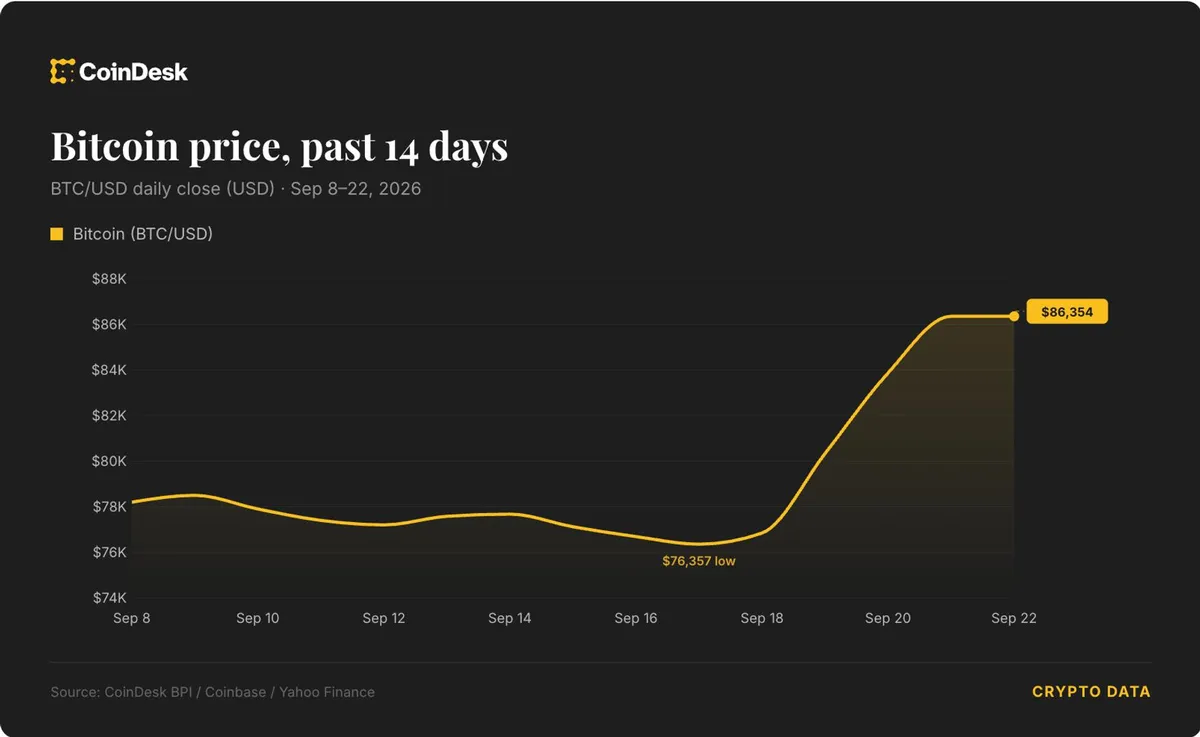
Bitcoin surges past $86,000 as $1 billion in shorts are liquidated, eyes on $90,000
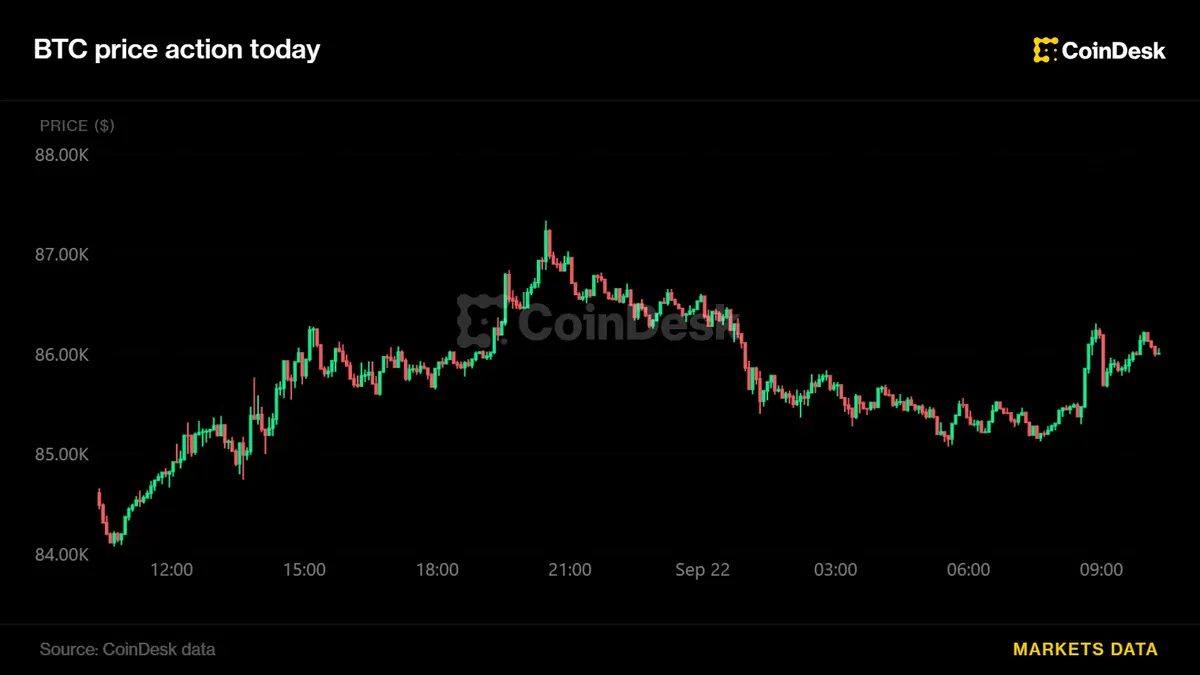
Bitcoin bounces back to $86,000 as oil prices decline and stocks rise

Prediction markets projected to reach $10 trillion by 2035, surpassing sports