Trader loses $2M in ‘same-block backrun extraction’ exploit
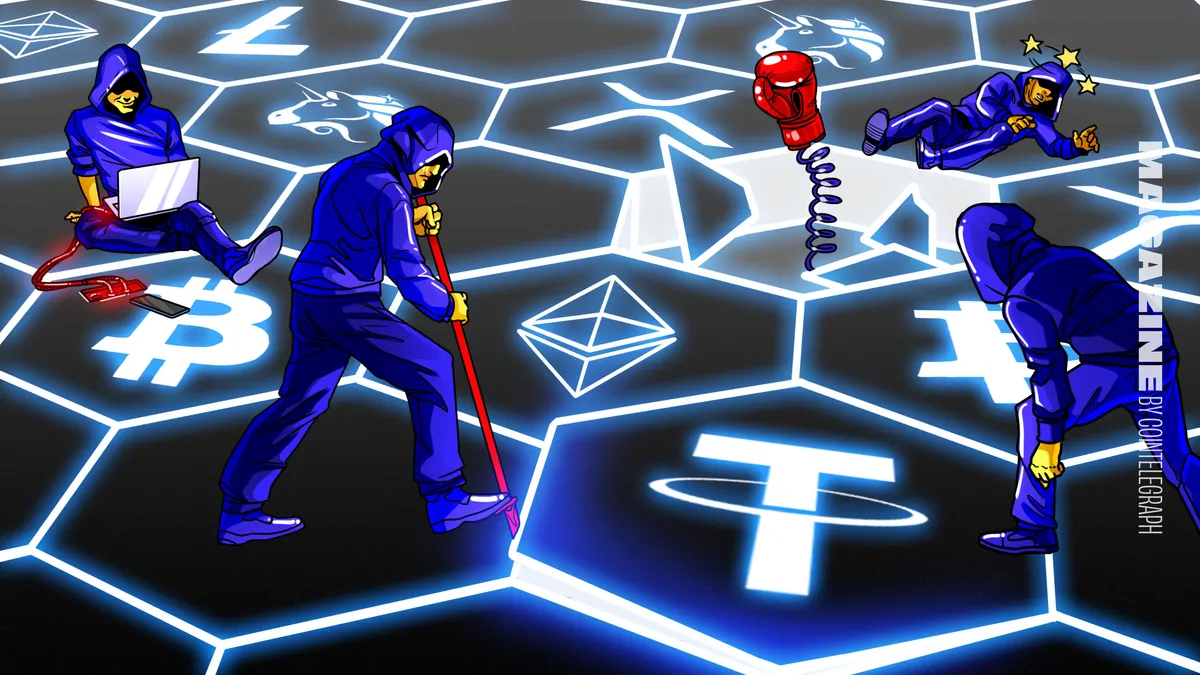
A recent incident in the crypto trading space has drawn attention as a trader reportedly lost $2 million due to a 'same-block backrun extraction' exploit. This sophisticated method involves manipulating transactions in such a way that one party can exploit the timing of trades to gain an unfair advantage. The victim of this exploit noted that the loss could have been mitigated if they had taken the time to analyze the transaction route before approving the transaction. This incident highlights the vulnerabilities that can exist in decentralized finance (DeFi) protocols and the need for traders to remain vigilant.
To provide context, backrunning is a trading strategy that has gained notoriety in the crypto world, especially in DeFi environments where transactions are executed in blocks on blockchain networks. When a trader places a transaction, others can see it before it's included in the block, allowing them to place their own transactions ahead of it. The 'same-block backrun extraction' specifically refers to executing a transaction within the same block, which can lead to significant financial losses for the unsuspecting trader. This type of exploit is part of a broader discussion around the security and transparency of blockchain transactions.
This incident matters for the market as it raises concerns about the integrity of trading mechanisms within the DeFi space. As more traders and investors flock to decentralized platforms, the potential for such exploits to occur could deter individuals from participating in these markets. If traders feel that their funds are at risk due to vulnerabilities in transaction processing, it could lead to a decrease in trading volume and overall market confidence. Thus, the repercussions of this $2 million loss may extend beyond just one individual, impacting the perceptions of risk in the broader crypto ecosystem.
Industry reaction has been mixed, with some experts stressing the importance of user education in preventing such losses. They argue that traders must take responsibility for understanding the intricacies of the platforms they use, including potential vulnerabilities. Others, however, emphasize the need for improved security measures and protocols within DeFi applications to protect users from these types of exploits. The call for better transparency in transaction processes has become more pronounced, as many believe that the onus should not solely be on the trader to avoid exploitation.
Looking ahead, the fallout from this incident may prompt developers and platforms to reassess their security protocols and transaction mechanisms. We may see an increased push for educational resources aimed at traders, emphasizing the importance of due diligence before executing transactions. Furthermore, discussions around implementing safeguards against such exploits could lead to more robust systems designed to protect users from financial losses. As the DeFi space continues to evolve, this incident serves as a crucial reminder of both the potential and the risks associated with this innovative financial landscape.

CoinMagnetic Team
Crypto investors since 2017. We trade with our own money and test every exchange ourselves.
Updated: July 2026
From our insights:
Related news

AI tools from Chainalysis link $387M Bitget hack to North Korea's crypto activity
NEAR Intents retrieves full $3.8M from exploiter following 48-hour ultimatum

California investigates OpenAI for AI models hacking Hugging Face
Exploitation of Aave's third-party tool leads to 114 ETH theft

Drift opens exploit recovery claims with initial payouts of just over 1% of user losses