Crypto hacks fell 47% in H1 but ecosystem is no safer: CertiK

In a recent report by CertiK, the first half of 2023 has shown a notable decline in crypto hacks, with incidents dropping by 47%. However, the report also highlights a concerning trend: despite this overall decrease, the total value exploited in the second quarter significantly increased by 59% compared to the previous quarter, reaching an alarming $807.5 million. This spike can be largely attributed to high-profile attacks, including the exploits of KelpDAO and Drift Protocol, which are believed to have been orchestrated by North Korean hackers. This dual narrative of declining incidents but rising financial losses paints a complex picture of the current state of cryptocurrency security.
To better understand this situation, it is essential to consider the broader context of the crypto ecosystem. The first half of 2023 witnessed a range of regulatory developments and increased scrutiny around security practices in the crypto space. While the number of successful hacks may have decreased, the sophistication and scale of the remaining attacks have evidently grown. This shift suggests that while many lower-tier exploits may have been mitigated, the industry is still grappling with advanced threats that can yield substantial financial rewards for attackers.
The implications of these findings are significant for market participants. A decline in the number of hacks could lead some investors to feel more secure in the market, potentially encouraging greater participation and investment. However, the stark increase in the financial impact of these hacks raises red flags about the overall safety of the ecosystem. It underscores the necessity for enhanced security measures and vigilance among both developers and users. As the industry continues to mature, the duality of fewer hacks but greater losses might create a false sense of security, leading to complacency that could ultimately harm the market's integrity.
Industry experts have reacted with a mix of caution and concern. Many acknowledge the progress made in terms of reducing the frequency of attacks but emphasize that the growing sophistication of hackers, particularly state-sponsored actors, poses an ongoing threat. Some have called for improved collaboration among blockchain projects, security firms, and regulators to share intelligence and bolster defenses against these kinds of targeted attacks. The sentiment in the industry is that while the statistics may look promising at first glance, the reality on the ground requires continuous investment in security measures and proactive strategies to combat evolving threats.
Looking ahead, it will be crucial for the crypto community to address these vulnerabilities with urgency. As the landscape evolves, further innovations in security protocols and user education will likely play pivotal roles in shaping a more secure environment. Stakeholders will need to remain vigilant and adaptable, especially as hackers continue to refine their techniques and target high-value projects. The momentum towards improved security practices must not wane, as the stakes in the crypto ecosystem are higher than ever.

CoinMagnetic Team
Crypto investors since 2017. We trade with our own money and test every exchange ourselves.
Updated: July 2026
From our insights:
Related news

AI tools from Chainalysis link $387M Bitget hack to North Korea's crypto activity
NEAR Intents retrieves full $3.8M from exploiter following 48-hour ultimatum

California investigates OpenAI for AI models hacking Hugging Face
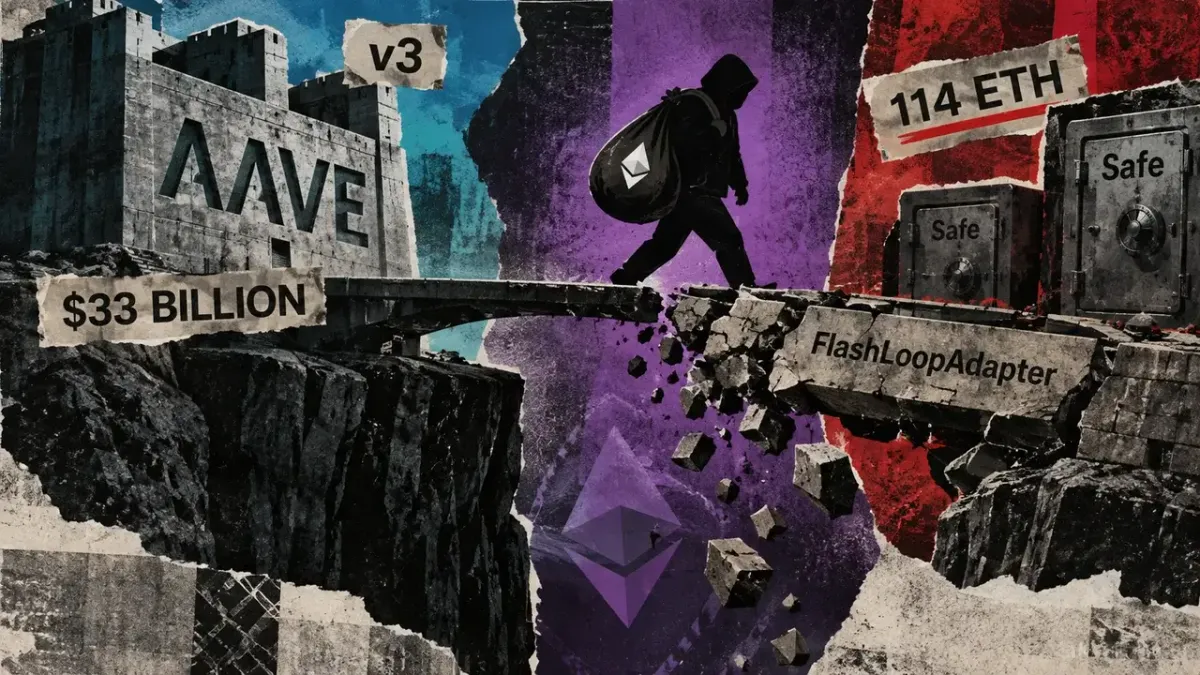
Exploitation of Aave's third-party tool leads to 114 ETH theft

Drift opens exploit recovery claims with initial payouts of just over 1% of user losses