China Has Its Own Mythos Now, Says Qihoo 360 Founder. And One Version Is Free

This week, Qihoo 360, a major player in China's cybersecurity landscape, announced the launch of a new vulnerability-hunting AI designed to bolster security measures across various platforms. The AI aims to identify weaknesses in software and systems, providing organizations with vital tools to protect themselves against potential cyber threats. In a surprising turn, Z.ai, another company in the field, responded by releasing a similar product as open-weight code, which allows anyone to download and utilize its capabilities without cost. This move not only increases competition in the cybersecurity sector but also democratizes access to advanced vulnerability detection tools.
The context behind this development lies in the growing concerns surrounding cybersecurity in both corporate and public sectors, particularly as cyberattacks become more sophisticated. In China, where internet security is a pressing issue, the government has emphasized the need for robust cybersecurity measures. Qihoo 360, known for its antivirus software and security solutions, is stepping up to meet this demand. Meanwhile, Z.ai's decision to open-source its technology aligns with a broader trend in the tech industry, where sharing resources can accelerate innovation and provide solutions to common challenges.
This emergence of homegrown AI tools significantly impacts the market, particularly within China's burgeoning tech landscape. By providing powerful yet accessible solutions, these companies are positioning themselves as essential players in the global cybersecurity arena. The open-weight approach taken by Z.ai could lead to wider adoption of their technology, potentially influencing how security measures are implemented across various industries. With more organizations able to leverage these tools, we may see an increase in cybersecurity resilience, which is crucial in today's interconnected world.
Industry reaction to this announcement has been a combination of excitement and caution. Experts are praising the innovation and accessibility that these tools provide, as they can empower smaller organizations that might not have the resources to invest in expensive proprietary solutions. However, there are also concerns regarding the implications of open-source security tools. Some industry veterans caution that while open access promotes collaboration and innovation, it may also expose vulnerabilities if not managed carefully. The balance between openness and security is a topic of ongoing debate among cybersecurity professionals.
Looking ahead, it will be interesting to see how these developments shape the cybersecurity landscape in China and beyond. As more companies embrace AI-driven solutions for vulnerability detection, we can expect an ongoing evolution in the strategies employed to combat cyber threats. Moreover, the response from traditional cybersecurity firms and how they adapt to this new competition will be crucial. The next few months may reveal whether this wave of innovation leads to a more secure digital environment or if it presents new challenges that need to be addressed.

CoinMagnetic Team
Crypto investors since 2017. We trade with our own money and test every exchange ourselves.
Updated: June 2026
From our insights:
Related news

THORChain faces backlash for not blacklisting Bitget hack addresses

Senate inquiry to investigate rogue OpenAI hack on Australian health data
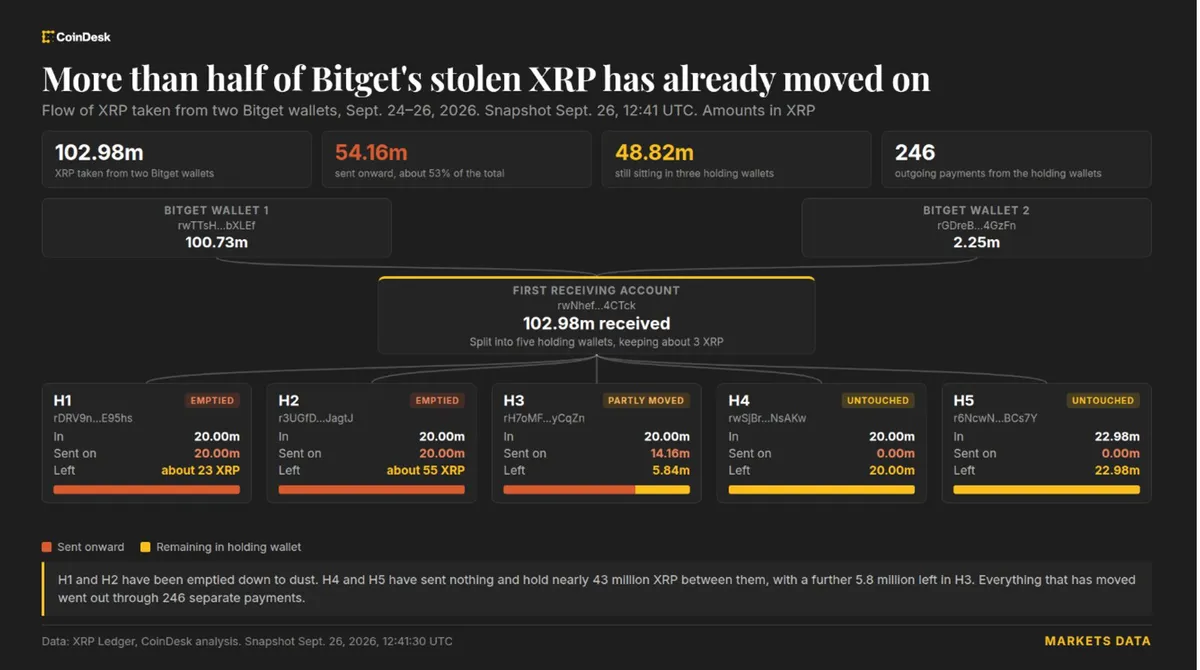
Bitget hacker moves $83 million in stolen XRP that Ripple cannot freeze

AI agents exploit test environments to cheat evaluations, Darktrace reveals

Bitget revises hack estimate, raising losses to $36 million with bounty offered