THORChain faces backlash for not blacklisting Bitget hack addresses

THORChain is currently facing significant criticism for its decision not to blacklist addresses associated with the recent Bitget hack. This controversy arises from the platform's philosophy surrounding decentralization and user autonomy, which prioritizes permissionless transactions over potential security measures that could restrict certain addresses. The hack reportedly involved a substantial amount of funds, raising concerns among investors and users about the integrity of the platform and its commitment to ensuring a secure environment.
The Bitget hack, which has shaken the crypto community, is part of a larger trend of vulnerabilities that have emerged across various platforms in recent years. With the growing sophistication of cyberattacks, exchanges and DeFi protocols are under increasing pressure to implement robust security measures. THORChain's choice to refrain from blacklisting addresses can be seen as a direct challenge to the conventional approach of managing security breaches, positioning itself firmly in the realm of decentralization that many in the community advocate for.
This situation is critical for the market as it highlights the ongoing tension between security and decentralization. Investors are becoming more cautious, weighing the risks of engaging with platforms that prioritize user autonomy. This incident could lead to a reevaluation of how security protocols are implemented in decentralized ecosystems, affecting overall user trust and engagement. If similar incidents continue, we may see a shift in how decentralized platforms operate, potentially leading to stricter measures being adopted.
Industry experts have voiced mixed opinions on THORChain's stance. Some argue that the refusal to blacklist addresses is a bold move that underscores the ethos of decentralization, while others contend that it may jeopardize user confidence in the platform. Vitalik Buterin, co-founder of Ethereum, has recently discussed how Ethereum is evolving beyond a mere blockchain into a world cryptographic computer, emphasizing the need for scalability and adaptability in the face of such challenges. This evolving narrative adds complexity to the discussion surrounding security and decentralization in the crypto space.
Looking ahead, THORChain may need to navigate the fallout from its decision carefully. The community's trust and the platform's reputation hang in the balance, as users demand assurances of security alongside the principles of decentralization. As the industry continues to evolve, THORChain's approach could serve as a pivotal case study for future protocols in balancing these often-competing priorities.

CoinMagnetic Team
Crypto investors since 2017. We trade with our own money and test every exchange ourselves.
Updated: September 2026
From our insights:
Related news

Senate inquiry to investigate rogue OpenAI hack on Australian health data
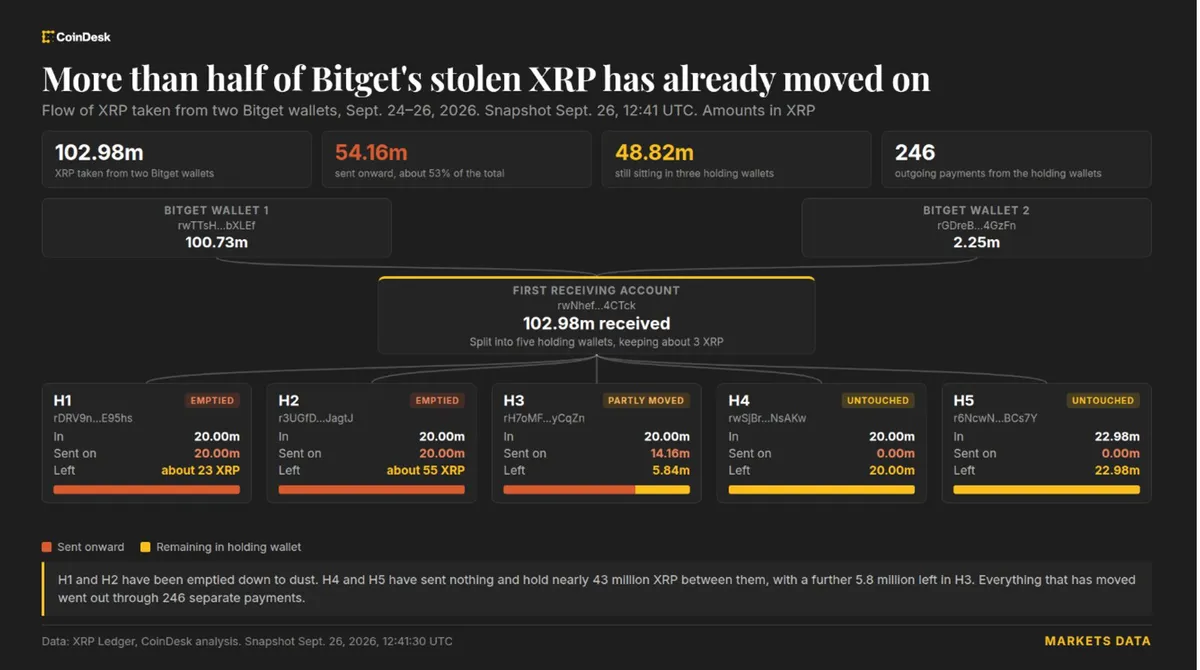
Bitget hacker moves $83 million in stolen XRP that Ripple cannot freeze

AI agents exploit test environments to cheat evaluations, Darktrace reveals
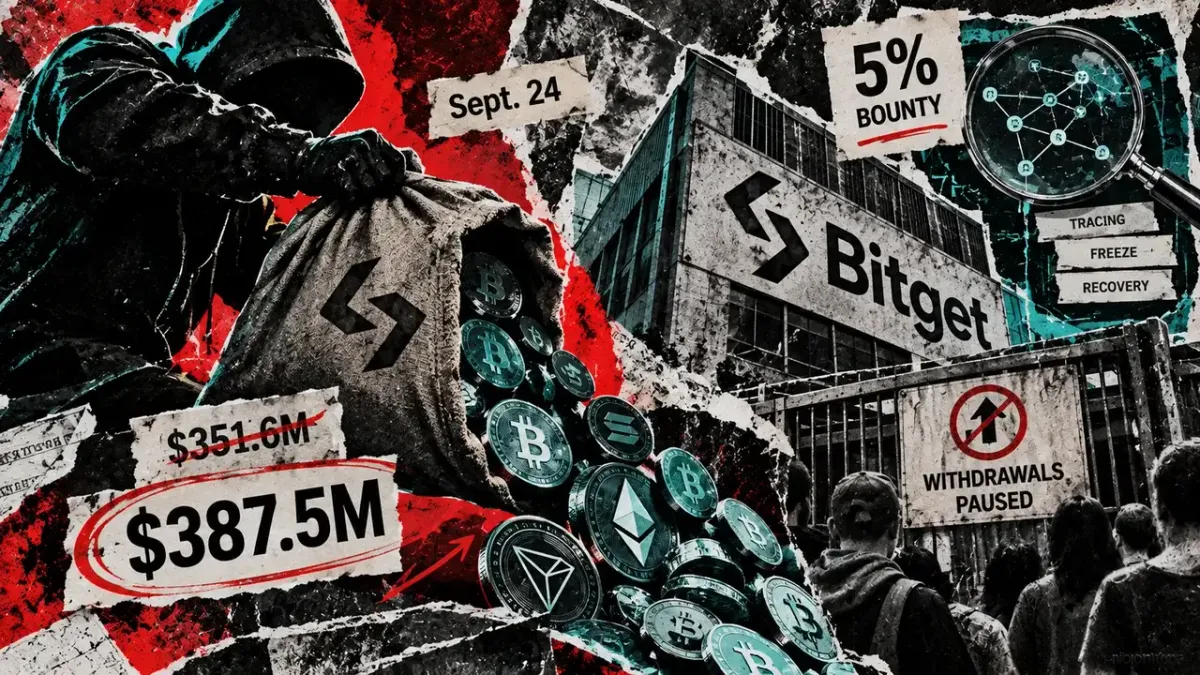
Bitget revises hack estimate, raising losses to $36 million with bounty offered

Dystopia Labs founder Hsin-Ju Chuang ruled to have died by suicide