Tokenized stocks risk liquidity and revenue fragmentation: Research

Recent research from Tiger Research has highlighted significant concerns regarding the liquidity and revenue fragmentation in the tokenized stocks market. According to Ryan Yoon, the director of Tiger Research, traditional finance (TradFi) sees the emergence of tokenized stocks as a “serious structural threat” to its well-established, centralized liquidity. This perspective suggests that as tokenized assets gain traction, they may disrupt the traditional financial landscape by creating a more fragmented market environment. The study emphasizes the potential risks that these developments pose to the integrity and efficiency of financial markets.
To understand the implications of this research, it’s essential to consider the context surrounding tokenized stocks. Tokenization involves converting real-world assets, such as stocks, into digital tokens that can be traded on blockchain platforms. While this innovation holds promise for democratizing access to investments and enhancing liquidity, it also raises concerns among traditional financial institutions. The centralization of liquidity in traditional markets has long been viewed as a stabilizing factor, and the shift towards decentralized tokenized assets challenges this status quo.
The fragmentation of liquidity and revenue could have far-reaching consequences for the market. As tokenized stocks proliferate, they may lead to a bifurcation of trading venues, with liquidity spread across multiple platforms instead of being concentrated within a few major exchanges. This could result in inefficiencies, higher trading costs, and increased volatility, potentially deterring investors from participating in the tokenized stock market. Furthermore, the disruption of revenue streams for traditional financial institutions could prompt them to reassess their strategies in light of this emerging competition.
Industry experts have begun voicing their opinions on the findings of the research. Many believe that while tokenization presents exciting opportunities for innovation, it also necessitates a reevaluation of regulatory frameworks to ensure market stability. Some financial analysts caution that without proper oversight, the risks associated with liquidity fragmentation could undermine investor confidence. Conversely, proponents of tokenization argue that it could lead to enhanced market efficiency in the long run by promoting competition and lowering costs for investors.
Looking ahead, the future of tokenized stocks will likely depend on how both traditional financial institutions and regulatory bodies respond to these challenges. As the market continues to evolve, stakeholders will need to find a balance between embracing innovation and maintaining the structural integrity of the financial system. The ongoing dialogue between traditional finance and the emerging world of tokenized assets will be critical in shaping the landscape of investment in the coming years.

CoinMagnetic Team
Crypto investors since 2017. We trade with our own money and test every exchange ourselves.
Updated: May 2026
From our insights:
Related news

Solstice CEO predicts less volatile future for crypto cycles amid liquidity growth

Pragma flags 6 price feeds as critical risk following $3.5M Starknet lending exploit
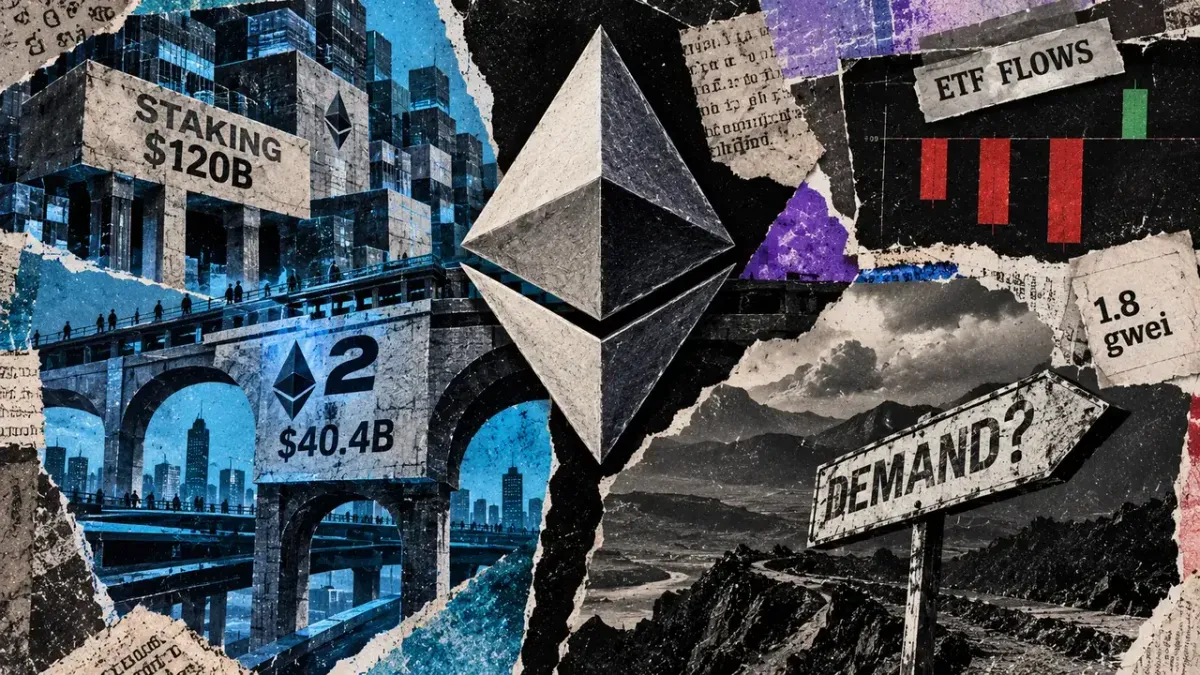
Ethereum's $120 billion in staking masks underlying supply dynamics

NEAR price surges 80% weekly as Intents volume approaches $30 billion
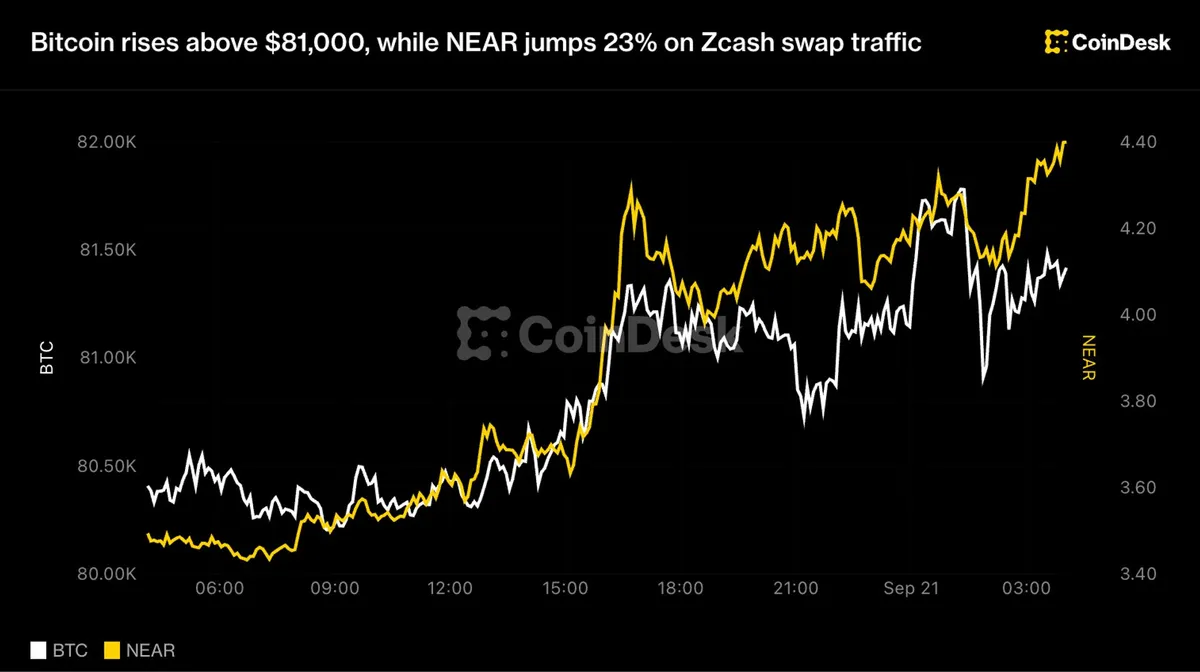
Bitcoin surpasses $81,000 as NEAR surges 23% amid Zcash swap activity