Tokenized Google stock inflated 7,700% in rare DeFi lending exploit

In a shocking turn of events within the decentralized finance (DeFi) space, an attacker recently exploited a vulnerability involving tokenized Google stock. This incident saw the value of a single tokenized share balloon to approximately 7,700% of its actual market price–around 78 times higher than what it should have been. The attacker utilized this inflated valuation as collateral to secure loans, ultimately resulting in approximately $403,000 in bad debt. This exploit has raised significant concerns about the security measures in place for tokenized assets, especially those linked to high-value stocks like Google.
Tokenization of stocks has emerged as a popular trend in the DeFi ecosystem, allowing investors to trade shares in a decentralized manner. However, this incident highlights a fundamental flaw in how these tokenized assets are valued and used as collateral. In traditional finance, the valuation of assets is rigorously regulated and monitored, whereas DeFi operates in a much more fluid and less regulated environment. The ability for one individual to artificially inflate the value of an asset raises serious questions about the robustness of the systems that govern these transactions.
The implications of this exploit extend beyond the immediate financial loss. It serves as a wake-up call for the DeFi community regarding the need for enhanced security protocols and better risk management practices. Investors and users of these platforms must now grapple with the reality that even seemingly stable assets can be manipulated. This incident could potentially lead to increased scrutiny from regulators, as well as a reevaluation of how collateralized lending operates within the DeFi space.
Industry experts and analysts have expressed their concerns over the incident, emphasizing the urgent need for improved safeguards in the tokenization process. Some have suggested that platforms should implement stricter verification mechanisms for collateralized assets to prevent similar exploits in the future. Others argue that this could be an opportunity for innovation, as developers may seek to create new systems that enhance the security and integrity of tokenized assets. The balance between decentralization and security will be a critical topic of discussion in the coming weeks.
Looking ahead, it will be important for the DeFi ecosystem to learn from this incident. Stakeholders will likely push for more robust frameworks that could help mitigate the risks associated with tokenized assets. As the industry continues to evolve, the lessons learned from this exploit may pave the way for better practices and more secure trading environments. The future of tokenization in DeFi hangs in the balance, and how the community responds to this challenge will shape its trajectory.

CoinMagnetic Team
Crypto investors since 2017. We trade with our own money and test every exchange ourselves.
Updated: July 2026
From our insights:
Related news

Sentora split 50% Aave revenue, but suppliers absorb all losses

Hut 8 secures $1B credit line amid 40% liquidity requirements
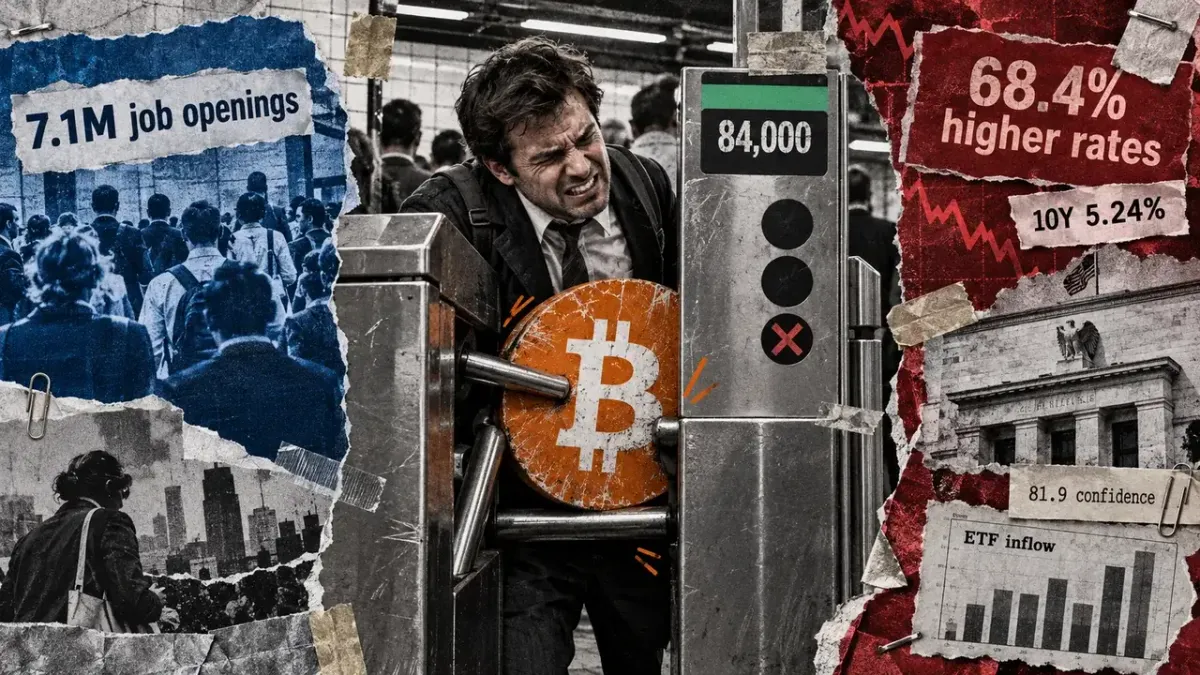
Bitcoin falls to $82,000 as inflation concerns rise from US data
Bitwise launches first US spot NEAR ETF with staking rewards
Citi and Coinbase's stablecoin move alters market dynamics for traders