Bitcoin falls to $82,000 as inflation concerns rise from US data

Bitcoin's price has seen a significant drop, now standing at $82,000, largely in response to recent economic data released in the United States. The report highlighted a modest easing in August job openings, which has led to a reevaluation of the economic outlook. Coupled with persistent inflation fears, these factors have contributed to uncertainty regarding the trajectory of yields, causing market participants to reassess their positions in cryptocurrencies, particularly Bitcoin.
The context of this decline can be traced back to ongoing concerns about inflation in the US economy. With inflation remaining a pressing issue, households are continuing to express apprehension about their financial outlook. The relationship between job openings and inflation is critical; when there are fewer job openings, it can signal a cooling economy, which might lead to lower consumer spending and, in turn, influence inflation rates. This delicate balance is what has made recent data particularly impactful on investor sentiment.
For the cryptocurrency market, this decline in Bitcoin's price is significant as it reflects broader economic uncertainties that can shift investor confidence. A drop to $82,000 could indicate that investors are becoming more risk-averse, especially in the face of potential economic turbulence. As Bitcoin is often viewed as a hedge against inflation, its reaction to inflation concerns could suggest a market reevaluation of its safe-haven status, especially as traditional economic indicators fluctuate.
Industry experts have weighed in on the situation, suggesting that while the drop is concerning, it is also a natural response to the current economic climate. Many analysts believe that Bitcoin's volatility is a reflection of its status as a relatively young asset class, and such fluctuations are not uncommon. They emphasize the importance of monitoring economic indicators, as they can provide insights into future market movements and potential recovery points for Bitcoin and other cryptocurrencies.
Looking ahead, market participants will be closely watching forthcoming economic reports and Federal Reserve announcements, as these will likely influence both Bitcoin's price and the broader cryptocurrency market. The interplay between economic data and investor sentiment will be crucial in determining whether Bitcoin can regain its footing or if further declines are on the horizon.

CoinMagnetic Team
Crypto investors since 2017. We trade with our own money and test every exchange ourselves.
Updated: September 2026
From our insights:
Related news

Bitwise launches first US spot NEAR ETF with staking rewards

Citi and Coinbase's stablecoin move alters market dynamics for traders
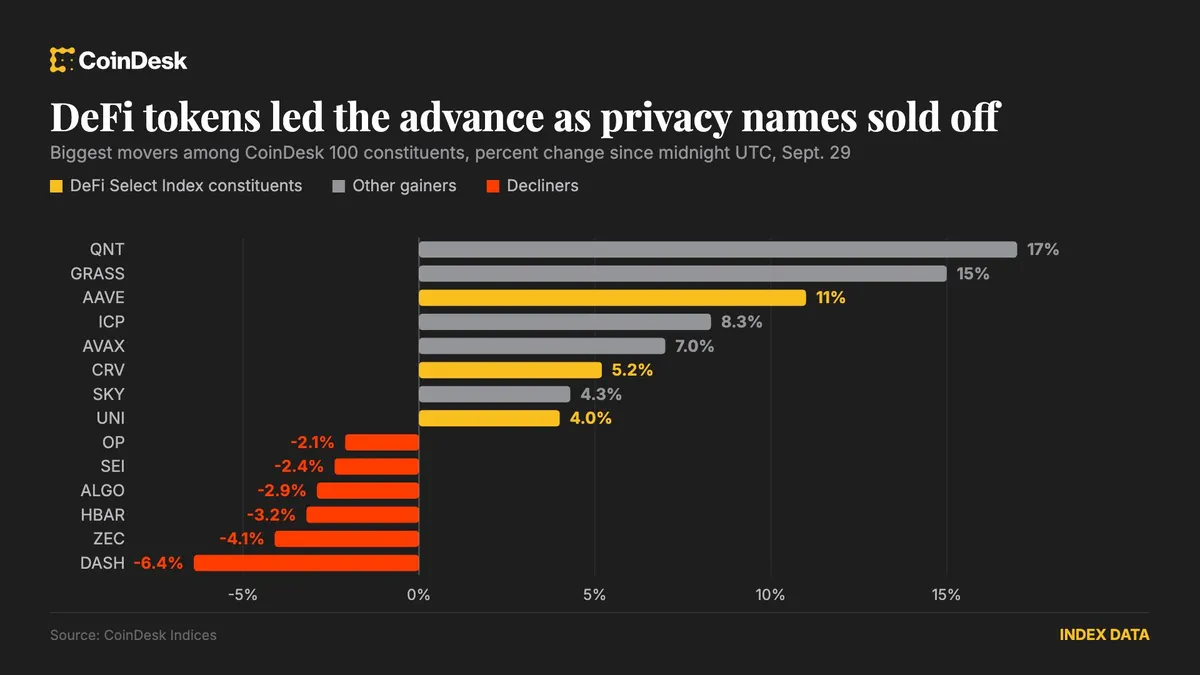
Aave's 11% jump boosts DeFi amidst rising bond market yields

Bitcoin rebounds to $84K as US 30-year bond yield hits 24-year peak

Rising 10-year Treasury yield projected at 6%, impact on Bitcoin assessed