Tokenized asset market tops $43B as institutions accelerate blockchain adoption

The tokenized asset market has recently crossed a significant milestone, reaching over $43 billion in value. This surge of 37% in just six months is attributed to a growing number of institutional players who are increasingly adopting blockchain technology. According to Token Terminal, this expansion signals a broader acceptance of tokenization beyond traditional realms such as funds and private credit, indicating that more asset classes are entering the digital space. This growth is not just a passing trend; it reflects a fundamental shift in how assets are perceived and managed in the financial ecosystem.
To understand this development, it's essential to consider the historical context of tokenized assets. Over the past few years, the blockchain landscape has transformed significantly, with institutions slowly but surely warming up to the technology. Initially, tokenization was primarily associated with cryptocurrencies and niche markets. However, as advancements in regulation and technology have emerged, the concept has evolved to encompass a wider array of assets, including real estate, commodities, and even art. This shift has been propelled by the need for greater liquidity, transparency, and efficiency in asset management.
The implications of this growth for the broader market are substantial. As institutions dive deeper into tokenization, we may witness increased legitimacy and stability in the crypto space. The influx of institutional capital can lead to a more robust infrastructure, driving innovation and potentially lowering costs for investors. Furthermore, the diversification of tokenized assets may attract a broader audience, fostering a more inclusive financial environment. As these assets become more mainstream, they could also pave the way for new financial products and services that leverage blockchain technology.
Industry experts are taking note of this momentum, with many expressing optimism about the future of tokenized assets. Some analysts suggest that the continued acceptance of blockchain by large financial institutions could catalyze an even larger wave of investment in the sector. Others caution that while the growth is promising, regulatory frameworks need to evolve alongside these innovations to ensure consumer protection and market integrity. The consensus seems to be that while challenges remain, the trajectory of tokenization is clearly upward, and many are excited to see how it unfolds.
Looking ahead, we anticipate that the tokenized asset market will continue to expand as more institutions recognize the benefits of blockchain technology. As the infrastructure supporting tokenization matures, we may see further diversification in the types of assets being tokenized. Additionally, regulatory developments will be crucial in shaping the landscape–finding the right balance between fostering innovation and ensuring the safety of investors will be key. As we move into the future, the evolution of this market will undoubtedly be one to watch closely.

CoinMagnetic Team
Crypto investors since 2017. We trade with our own money and test every exchange ourselves.
Updated: June 2026
From our insights:
Related news
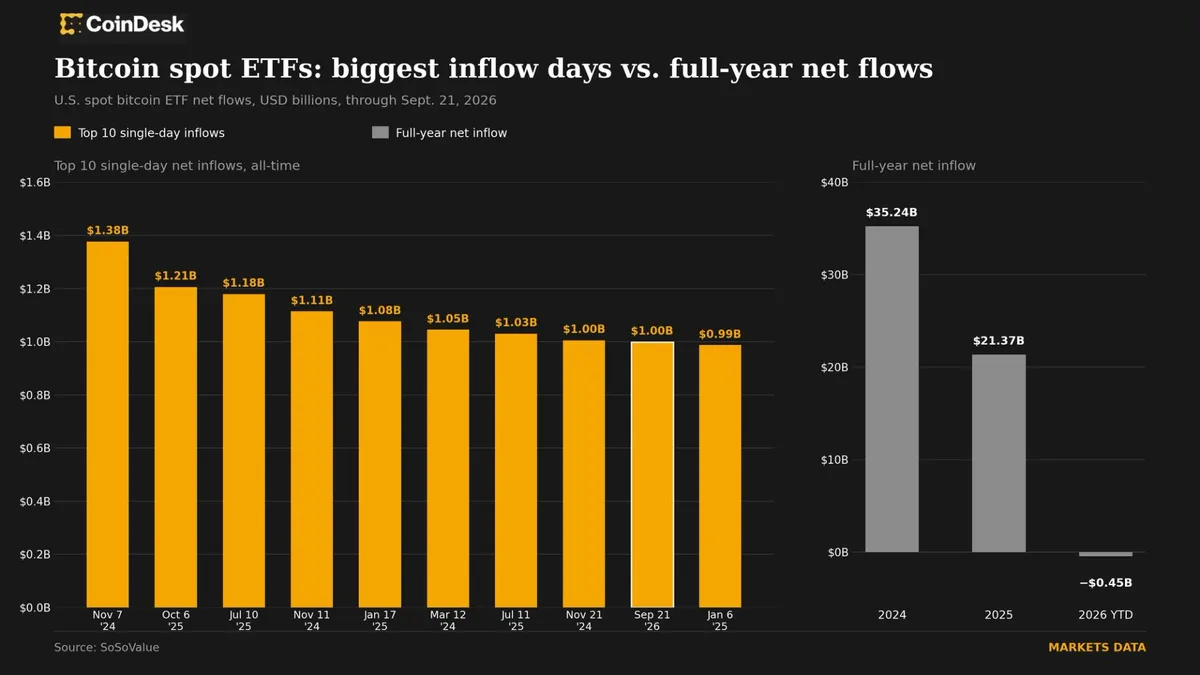
Spot bitcoin ETFs see nearly $1 billion inflow as bitcoin hits January highs
US spot Bitcoin ETFs see nearly $1 billion inflow, highest since October 2025
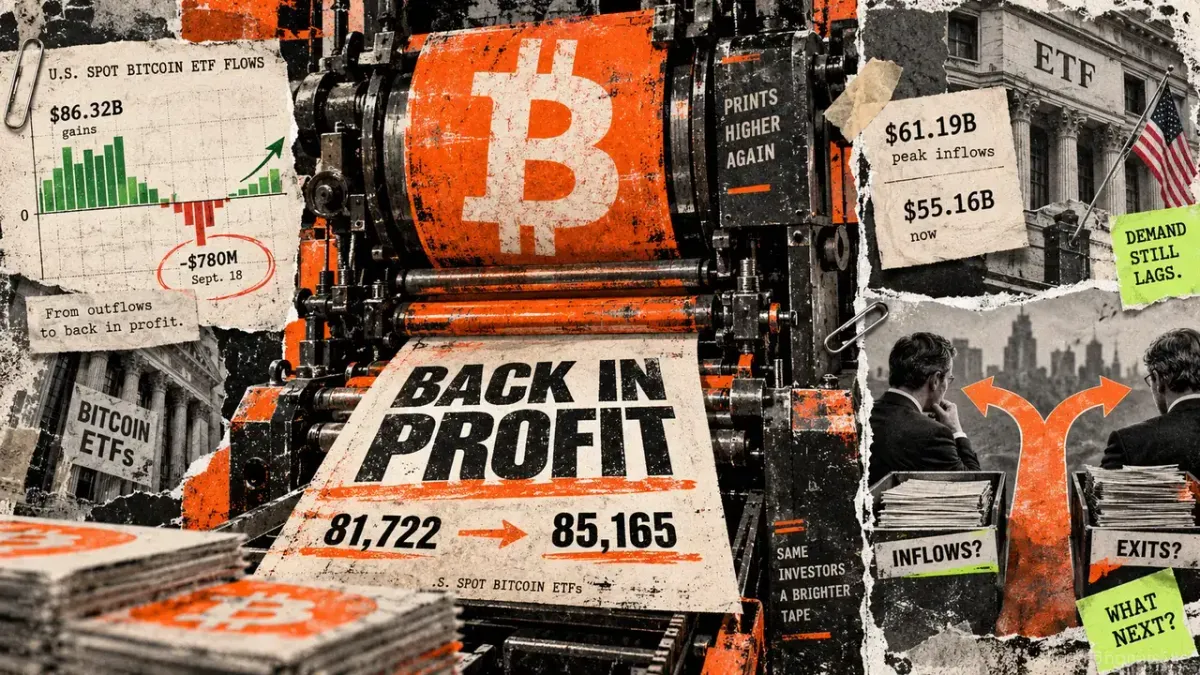
Bitcoin's rise to $86,000 restores profitability for ETF investors
Apple and Google seek crypto experts, signaling potential stablecoin initiatives

ECB initiates bond purchases using its own funds in crypto-linked system